Strategies for Wealth Creation and Income Generation
Income Strategy Frameworks
The Active-Passive Spectrum
Most financial advice splits income into two neat boxes: active and passive. Active is the money you work for, like a salary. Passive is the money that works for you, like investment returns. But this is too simple. It's more useful to think of income sources along a spectrum.
On one end, you have pure active income: trading your time directly for money. Think of an hourly wage. On the far other end is pure passive income, which doesn't really exist. Even a portfolio of dividend stocks requires upfront research and capital, plus occasional rebalancing. Most income streams fall somewhere in the middle, demanding a unique mix of initial and ongoing effort.
The Wealth-Building Trifecta
Every income strategy, from freelancing to flipping houses, depends on three core inputs: Time, Capital, and Skill. Understanding how these resources trade off against each other is the key to building an effective income plan.
- Time: This is your direct effort. It's the hours spent coding an app, writing articles, or managing a rental property.
- Capital: This is the money you invest upfront. It's the cash used to buy stocks, purchase real estate, or fund a new business venture.
- Skill: This is your expertise and knowledge. It could be your ability to analyze stocks, your marketing savvy, or your proficiency in a specific trade.
A dividend portfolio is capital-heavy but requires less time once established. Creating and selling digital products is skill-heavy and time-heavy upfront but requires little capital. The goal isn't to find a strategy with zero inputs, but to find strategies that align with the resources you have.
Choosing where to focus involves weighing the opportunity cost of each path. The time you spend building one income stream is time you can't spend on another. The capital you deploy into real estate is capital you can't use to buy dividend stocks. There's no single right answer, only a strategic choice based on your personal inventory of the trifecta.
Your Income Efficiency Frontier
In investing, the Efficient Frontier is the set of optimal portfolios that offer the highest expected return for a defined level of risk. We can apply a similar concept to income generation. Your personal 'Income Efficiency Frontier' is the ideal combination of income streams that maximizes your earnings for the amount of time, capital, and skill you're willing to commit.
The goal is diversification, but not just for the sake of it. You want to combine income streams that have different profiles. For example, pairing a time-intensive but high-margin consulting business with a capital-intensive, lower-effort dividend portfolio can create a balanced and resilient income structure. One generates cash flow now, while the other builds wealth more passively over time. This approach, inspired by , smooths out your income and reduces dependency on any single source.
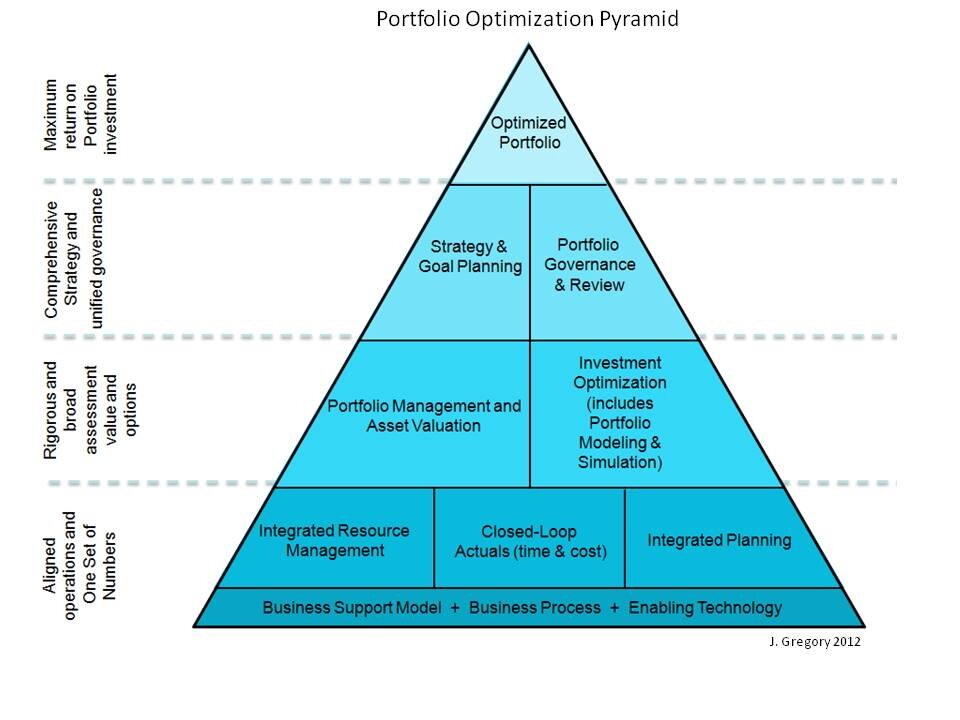
This leads to practical allocation strategies. For someone with high skills and limited capital, an allocation might look like 70% skill-based active income (freelancing), 20% time-based side projects (content creation), and 10% capital investment. For someone with significant capital but limited time, the allocation might be 80% capital-based (stocks, real estate) and 20% skill-based (advisory roles).
The key is to consciously design your income portfolio, rather than letting it happen by default. Analyze your resources and build a mix of strategies that work together to achieve your financial goals.
According to the provided text, what are the three core inputs required for any income strategy?
A recent graduate has expertise in software development but very little savings. Which income strategy aligns best with their resources, based on the text's principles?
By understanding these frameworks, you can move from simply earning money to strategically generating wealth. It's about making deliberate choices that leverage your unique strengths.