Strategies for Modern Wealth Creation
High-Value Skill Acquisition
From Generalist to Specialist
You already know that skills lead to income. The next step is understanding that not all skills are valued equally. The market pays a premium for specialists who can solve specific, expensive problems. A general virtual assistant might handle scheduling and emails, but a specialist who automates business workflows using specific software can charge significantly more.
The goal is to transition from being a generalist, who competes with many, to a specialist, who competes with few. This isn't about working harder; it's about positioning your skills where they are most scarce and most valuable. This requires a strategic look at what the market actually needs.
Finding Your Market Gap
Before learning a new skill, you need to validate its demand. Market gap analysis is the process of finding an underserved need in the market. It’s about looking for the intersection of what clients are asking for and what few professionals are providing.
Platforms like Upwork, LinkedIn, and Glassdoor are treasure troves of data for this. Don't just browse job titles. Read the descriptions of high-paying roles or freelance projects. What specific software are they asking for? What unique combination of abilities appears repeatedly? These are clues pointing to a market gap.
| Generalist Skill | Specialist Niche | Evidence of Demand |
|---|---|---|
| Graphic Design | 3D modelling for e-commerce product listings | High demand on freelance platforms; crucial for online sales. |
| Writing | SEO-focused technical writing for SaaS companies | Companies need to rank on Google; requires both writing and technical skill. |
| Data Entry | Salesforce data migration and cleanup | Many businesses use Salesforce and struggle with data integrity. |
Look for patterns. If ten different high-paying job posts mention experience with a specific analytics tool like Tableau, that's a strong signal. You're not guessing what's valuable; you're using real data to make an informed decision.
The Power of Skill Stacking
The most powerful way to become a specialist is through —combining two or more distinct skills to create a unique and valuable hybrid. This makes you much harder to replace than someone with a single expertise.
Consider these examples:
-
Skill 1: Video Editing
-
Skill 2: Social Media Advertising
-
Skill Stack: Creating high-conversion video ads for platforms like TikTok and Instagram. This is far more valuable than either skill alone.
-
Skill 1: Public Speaking
-
Skill 2: Financial Analysis
-
Skill Stack: A financial analyst who can clearly explain complex market trends to executives and investors. This person is rare and highly sought after.
Your skill stack becomes your unique value proposition. It's the answer to the question, 'Why should I hire you over anyone else?'
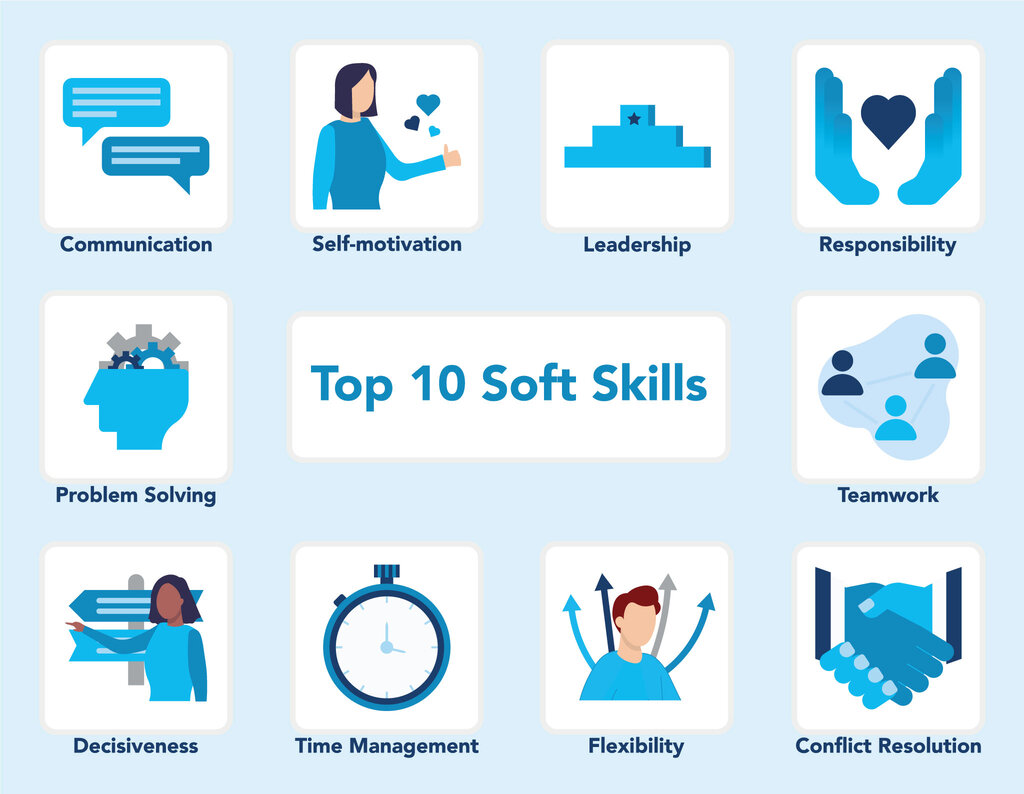
Premium Positioning
Once you've identified a niche and built a skill stack, the final piece is positioning. Generalists offer a service ('I can write articles'). Specialists solve a problem ('I increase organic traffic for tech startups through long-form content'). The second one commands a premium rate.
Your language matters. Frame your skills in terms of the results and value you bring to a client or employer. Instead of listing 'Python programming' on your profile, describe how you 'use Python to automate data analysis and generate business insights that save 10 hours per week'.
Create a compelling resume with the value formula: [Skill] + [Achievement/Result] + [Impact] = Value.
This shift from focusing on tasks to focusing on outcomes is the core of and is what allows you to break out of being paid by the hour and start being paid for the value you create.
Ready to test your knowledge on finding and framing high-value skills?
According to the text, why does the market typically pay specialists more than generalists?
What is the primary goal of conducting a 'market gap analysis' when choosing a skill to learn?
By focusing on specific market needs and combining skills in unique ways, you move from being a commodity to being a strategic asset. That is the foundation of building a high-income career.