Strategic Tax Savings
Understanding Tax Basics
How Taxes Work
In the United States, taxes are a pay-as-you-go system. This means you pay tax on your income as you earn it throughout the year, rather than all at once. If you're an employee, your employer withholds a portion of each paycheck and sends it to the government on your behalf. If you're self-employed, you'll likely pay estimated taxes quarterly.
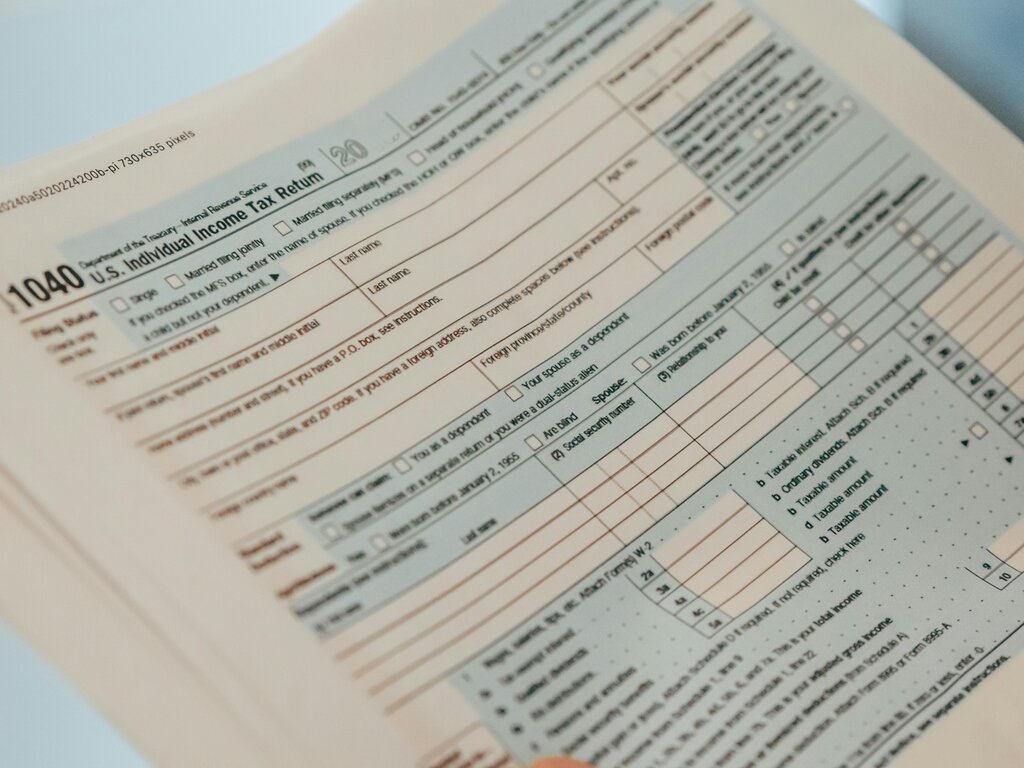
Once a year, you file a tax return. This is where you report all your income and calculate exactly how much tax you should have paid. The amount withheld from your paychecks is an estimate. The tax return reconciles that estimate with what you actually owe. If you paid too much, you get a refund. If you paid too little, you owe the difference.
Finding Your Taxable Income
You don't pay tax on every dollar you earn. You only pay tax on your taxable income. This is your total income minus certain adjustments and deductions allowed by law.
Your taxable income is the portion of your income subject to federal tax, and it’s important for several reasons.
Think of it this way: your total income is like the gross sales of a business. But the business has expenses, like rent and supplies. The profit is what's left over. Similarly, taxable income is what's left after you've subtracted all your eligible deductions. This is the number the government uses to figure out your tax bill. A lower taxable income means a lower tax bill.
Deductions vs. Credits
People often use the terms "deduction" and "credit" interchangeably, but they are very different. Both reduce your tax bill, but they do it in different ways.
A deduction lowers your taxable income. A credit lowers your actual tax bill.
Let's break that down. A deduction is subtracted from your income before your tax is calculated. Since you pay tax on a smaller amount of income, your tax bill goes down.
A credit is subtracted from your tax bill after it's been calculated. It's a dollar-for-dollar reduction of the taxes you owe.
Unlike a deduction which lowers your taxable income, a tax credit is a dollar-for-dollar reduction of your tax liability.
Imagine two people, Alex and Ben, both owe $1,000 in taxes. Alex gets a $500 deduction. This reduces Alex's taxable income, so the final tax bill might be $900. Alex saves $100.
Ben gets a $500 tax credit. This is subtracted directly from the tax owed. Ben's final tax bill is $1,000 - $500 = $500. Ben saves $500.
As you can see, a tax credit is generally more valuable than a deduction of the same amount.
| Feature | Tax Deduction | Tax Credit |
|---|---|---|
| What it does | Lowers your taxable income | Lowers your tax bill directly |
| How it works | Subtracted from gross income | Subtracted from tax owed |
| Value | Depends on your tax bracket | Dollar-for-dollar savings |
Now that you understand these building blocks, you can better see how to manage your tax situation. The goal is always the same: legally reduce the amount of tax you owe by making smart use of the deductions and credits available to you.