Strategic Tax Reduction
Understanding Tax Basics
The Starting Line: Taxable Income
When you think about your income, you probably think of your total salary. But the government doesn't tax every dollar you earn. Instead, it looks at your taxable income.
This is your gross income—which includes your salary, wages, tips, and other earnings—minus certain adjustments. The result is called your Adjusted Gross Income (AGI). From there, you subtract deductions to arrive at your taxable income. It's the final number that the tax rates are actually applied to.
Think of it like this: your gross income is the whole pizza. The government allows you to set aside a few slices (adjustments and deductions) before it takes its share from what's left.
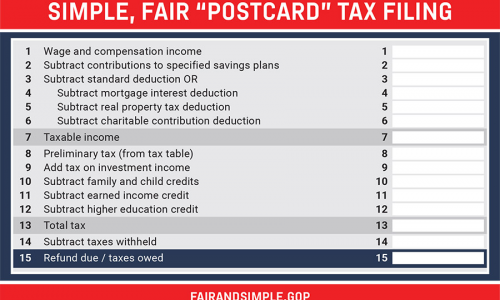
The goal of tax planning isn't just to earn less. It's to legally reduce your taxable income so you owe less tax on the money you do make.
Deductions vs. Credits
People often use the terms "deduction" and "credit" interchangeably, but they work very differently. Understanding the distinction is key to lowering your tax bill.
A tax deduction lowers your taxable income. If you're in the 22% tax bracket, a $1,000 deduction saves you $220 ($1,000 * 0.22). It reduces the amount of your income that is subject to tax.
A tax credit is more powerful. It's a dollar-for-dollar reduction of your actual tax bill. A $1,000 tax credit saves you $1,000 in taxes. It directly subtracts from the amount of money you owe.
| Feature | Tax Deduction | Tax Credit |
|---|---|---|
| What it does | Reduces your taxable income | Reduces your final tax bill |
| How it works | Reduces tax owed by a percentage (your tax rate) | Reduces tax owed dollar-for-dollar |
| Value | Depends on your tax bracket | The full amount of the credit |
As you can see, a tax credit is always more valuable than a tax deduction of the same amount. It's like getting a direct discount on your taxes, while a deduction is more like a coupon for your income.
Calculating Your Tax Liability
Once you have your taxable income, you can figure out your tax liability—the total amount of tax you owe. The U.S. uses a progressive tax system, which means people with higher taxable incomes are taxed at higher rates. These different rate levels are called tax brackets.
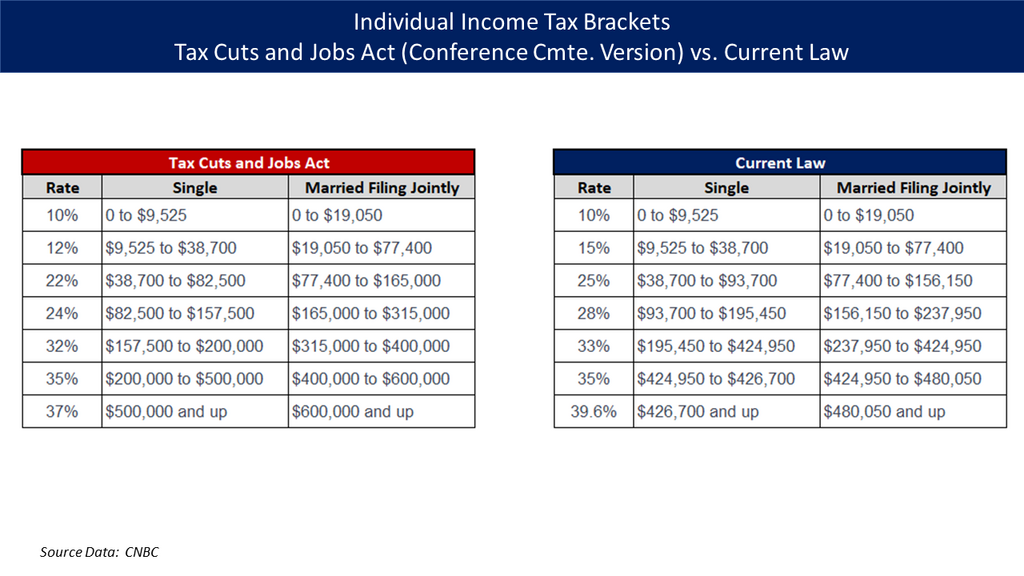
Here's a simplified version of how it works. You calculate the tax for each bracket, then add it all up. Let's say the brackets are:
- 10% on income up to $10,000
- 20% on income from $10,001 to $40,000
- 30% on income over $40,000
If your taxable income is $50,000, you don't pay 30% on the whole amount.
Instead, you pay: 10% on the first 💲10,000 = 💲1,000 20% on the next 💲30,000 = 💲6,000 30% on the final 💲10,000 = 💲3,000
Your total tax liability before credits is 💲10,000.
From this initial tax amount, you would then subtract any tax credits you're eligible for to find your final tax liability.
The Importance of Compliance
Following tax laws isn't just about avoiding trouble. Tax compliance means filing your tax returns on time, reporting your income accurately, and paying what you owe. This system is built on trust and self-reporting.
When taxpayers comply, the government has the funds it needs to operate everything from roads and schools to national defense and social programs. It ensures the system is fair for everyone.

Failing to comply, whether intentionally or by accident, can lead to serious consequences. The IRS has systems in place to detect errors and fraud. These consequences range from financial penalties to, in severe cases, criminal charges.
Common penalties include:
- Failure to File: A penalty for not filing your tax return by the deadline.
- Failure to Pay: A penalty for not paying the taxes you owe by the due date.
- Accuracy-Related Penalty: A penalty for underreporting your income or claiming deductions or credits you're not entitled to.
Beyond penalties, non-compliance can result in interest charges on the unpaid tax, a tax lien on your property, or a levy on your wages or bank accounts. In cases of deliberate tax evasion, the consequences can include hefty fines and even prison time.
Understanding these basic rules is the first step. It empowers you to manage your finances responsibly and make smart decisions that are well within the legal lines.
What is "taxable income"?
If you are in the 25% tax bracket, which of these would lower your tax bill more?