Strategic Tax Reduction
Understanding Tax Basics
How Taxes Work
The U.S. tax system is a pay-as-you-go system. This means you pay taxes on your income throughout the year, usually through withholdings from your paycheck. At the end of the year, you file a tax return to see if you paid too much or too little.
The goal is to figure out your taxable income. This isn't just your total salary; it's the portion of your income that's actually subject to taxes. Several things can lower this amount, which is good news for you.
Reducing Your Taxable Income
The government allows you to subtract certain expenses from your total income. These subtractions are called deductions. Think of them like discounts on your income. By reducing your income, deductions lower the amount of tax you owe.
A deduction lowers your taxable income. The less income you're taxed on, the lower your tax bill.
There are two main ways to take deductions: using the standard deduction or itemizing.
Standard vs. Itemized
The standard deduction is a fixed dollar amount that you can subtract from your income. The amount depends on your filing status (like single or married), your age, and whether you're blind. It's the simpler option, and most people use it.
Itemizing is more work, but it can be worth it. If you itemize, you list out all your individual deductible expenses. If the total of your itemized deductions is greater than your standard deduction, you'll save more money by itemizing.

Common itemized deductions include:
- State and local taxes (up to a limit)
- Home mortgage interest
- Large charitable donations
- Significant medical and dental expenses
You have to choose one or the other. You can’t take the standard deduction and itemize your deductions.
Tax Credits Are Even Better
Tax credits are different from deductions, and they're more powerful. While a deduction reduces your taxable income, a credit directly reduces your actual tax bill, dollar for dollar.
If you get a 💲1,000 tax credit, your tax bill goes down by exactly 💲1,000.
Credits are designed to encourage certain behaviors, like buying an electric vehicle or making your home more energy-efficient. Other credits are meant to help certain groups of people, like the Child Tax Credit for parents or the American Opportunity Tax Credit for students.
Some credits are "refundable." This means if the credit is larger than the tax you owe, the government will send you the difference as a refund.
Filing Your Return
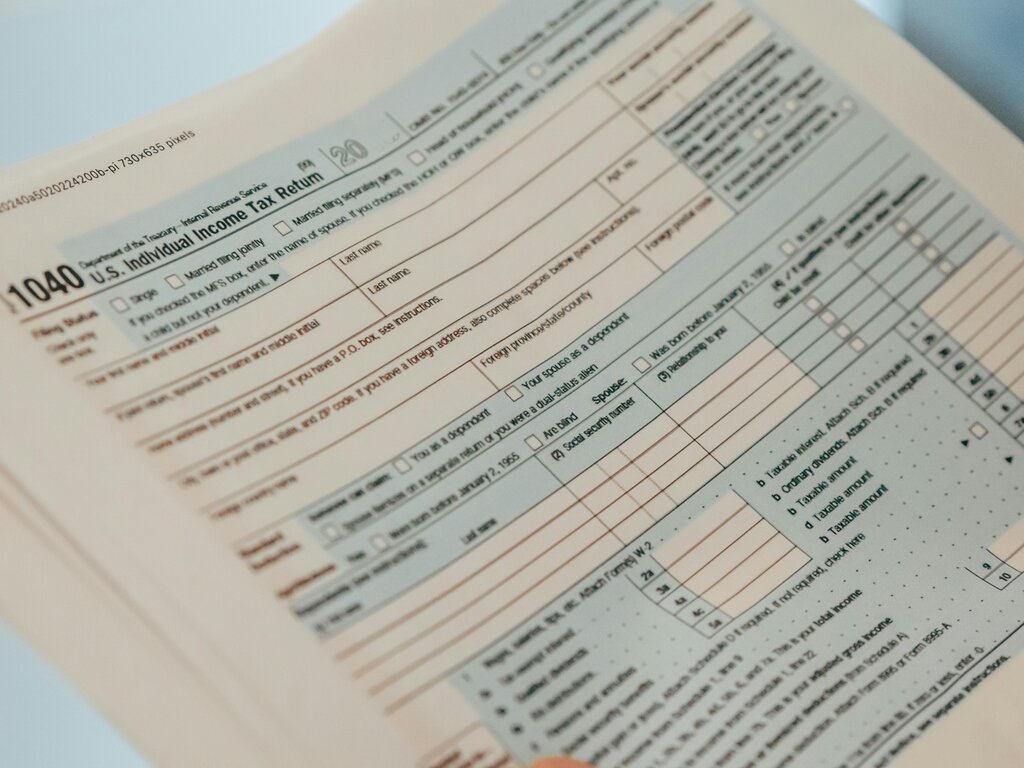
Most people file their federal income taxes using Form 1040. There are other forms for different situations, but this is the main one.
The deadline to file your taxes is typically April 15th each year. If April 15th falls on a weekend or holiday, the deadline shifts to the next business day. It's a good idea to gather your documents, like your W-2 from your employer and any 1099 forms, well before the deadline arrives.

That's the basic process: determine your income, subtract deductions to find your taxable income, calculate the tax, and then apply any credits to lower the final bill.