Strategic Tax Deductions and Credits
Understanding Tax Basics
What Is Taxable Income?
When you earn money, whether from a job, a side business, or investments, that's your gross income. But you don't pay taxes on every dollar you make. The government allows you to subtract certain amounts, like deductions, from your total income. What's left over is the amount that's actually subject to tax.
Taxable Income
noun
The portion of your gross income used to calculate how much tax you owe in a given tax year.
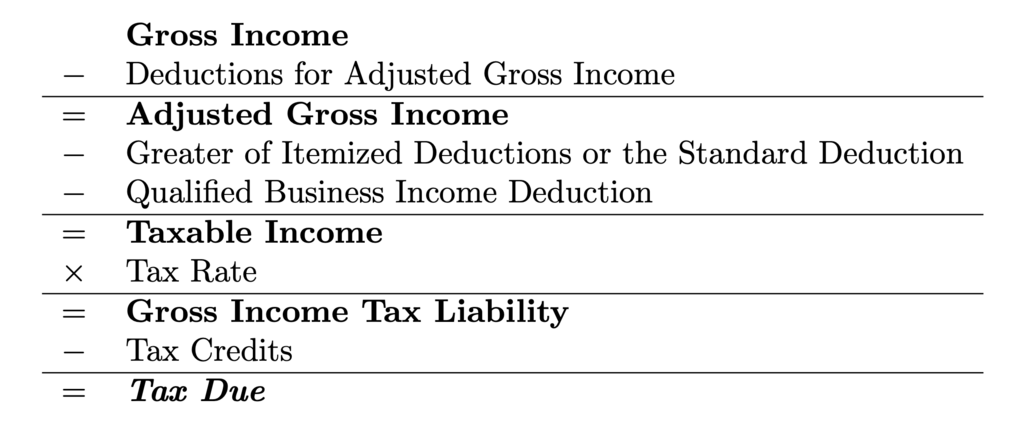
Figuring out your taxable income is a foundational step in filing your taxes. The basic path looks like this:
- Start with your Gross Income, which is all the money you earned.
- Subtract certain adjustments to get your Adjusted Gross Income (AGI).
- Finally, subtract deductions to arrive at your Taxable Income.
This final number is what the tax brackets and rates apply to. A lower taxable income generally means a lower tax bill.
The Role of the IRS
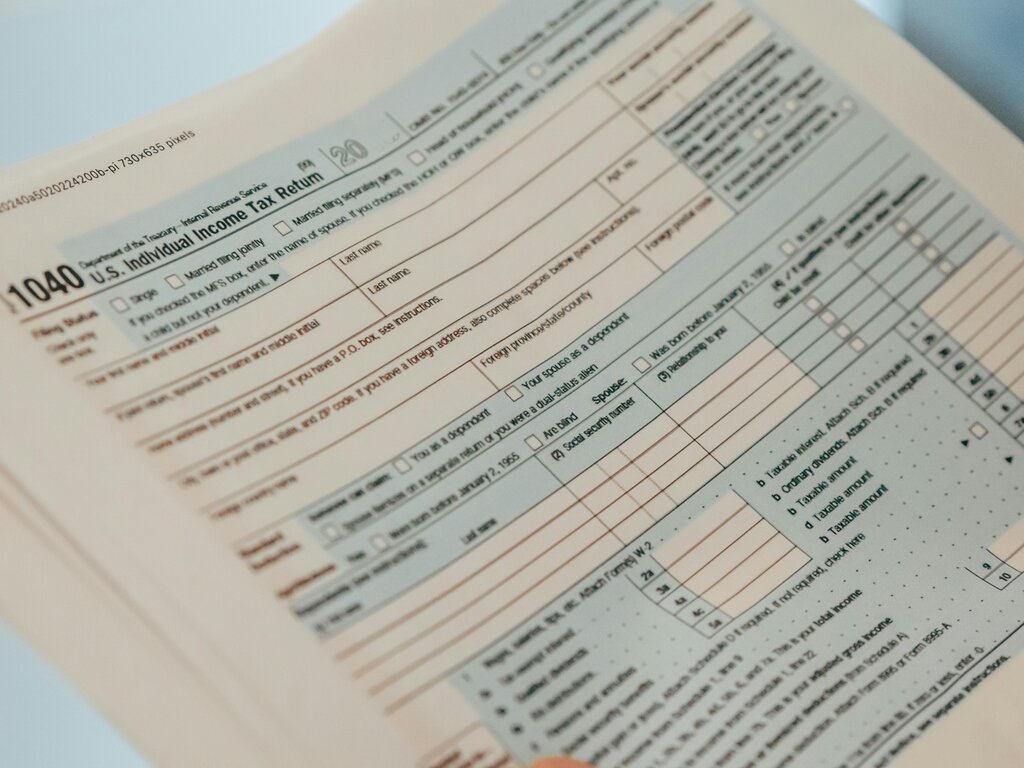
The Internal Revenue Service, or IRS, is the nation's tax collection agency. It's part of the Department of the Treasury. Think of the IRS as the referee of the U.S. tax system. Its main job is to help taxpayers understand and meet their tax responsibilities.
More specifically, the IRS is responsible for:
- Processing tax returns
- Collecting tax revenue
- Issuing refunds to taxpayers who have overpaid
- Enforcing the nation's tax laws fairly
Why Accuracy Matters
Filing an accurate tax return is crucial. It ensures that you pay the correct amount of tax—no more, no less. Honesty and accuracy are the best policies when dealing with your finances and the IRS.
Mistakes or intentional errors can lead to problems. If the IRS finds a significant error on your return, you might face an audit, which is a formal review of your financial information. This can result in penalties, interest charges on any unpaid taxes, and a lot of unnecessary stress.
On the flip side, being accurate works in your favor. It helps you get any refund you're owed promptly and keeps your financial record clean.
Getting your taxes right isn't just about following rules. It's about paying your fair share and avoiding costly mistakes.
Let's check your understanding of these core concepts.
Which of the following correctly describes the process of calculating your taxable income?
What is the primary role of the Internal Revenue Service (IRS)?
Understanding these fundamentals—taxable income, the IRS's role, and the need for accuracy—is the first step toward managing your taxes with confidence.