Strategic Talent Management Essentials
Introduction to Talent Management
What Is Talent Management?
At its core, talent management is a company's strategic plan for its people. It's the whole process of finding, growing, and keeping employees who can help the organization achieve its goals. This goes way beyond simply hiring and firing. It's about seeing employees as the company's most valuable asset and treating their careers with the same care as any other major investment.
Talent management is the system of attracting, hiring, developing, and retaining employees with the required skills and abilities to meet organizational goals and objectives.
Think of it as a continuous cycle. It starts before a job is even posted and continues throughout an employee's time with the company. The goal is to make sure the right people, with the right skills, are in the right roles at the right time. This involves several interconnected activities.
Each piece is crucial. You can attract the best talent in the world, but if you don't develop their skills and keep them motivated, they won't stick around. A strong talent management plan addresses every stage of this journey.
From Paperwork to Strategy
The idea of managing people at work isn't new, but its focus has changed dramatically. Decades ago, this function was called "Personnel Management." The main job was administrative: handling payroll, enforcing rules, and managing paperwork. It was a reactive role, dealing with issues as they came up.
Over time, it evolved into "Human Resources" (HR). This was a step up, with HR taking on more responsibilities like benefits administration, recruiting, and legal compliance. But it was often still seen as a support function, separate from the core business strategy.
Today's talent management is different. It's proactive and deeply integrated into a company's long-term goals. Instead of just filling open roles, talent management anticipates future needs. It asks questions like: What skills will we need in five years? Who are our future leaders? How can we create a culture that makes great people want to stay and grow with us?
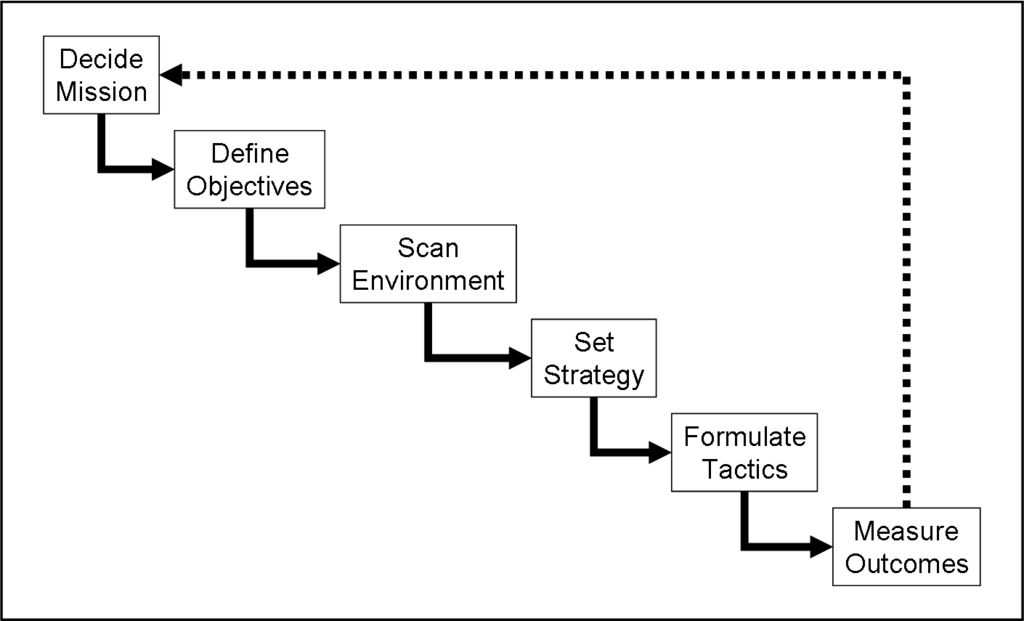
This shift happened because businesses realized that people are their biggest competitive advantage. In a world where technology and products can be copied, a unique and high-performing team is much harder to replicate. A company that excels at attracting, developing, and retaining top talent is more likely to innovate and outperform its rivals.
Aligning the talent strategy with the business strategy is the most critical step. If you know where the company is headed, you know what kind of people you need to get there.
Common Hurdles
Putting a great talent strategy into practice isn't always easy. Organizations face several common challenges.
One of the biggest is a rapidly changing business environment. The skills that are valuable today might be obsolete tomorrow. Companies must be agile, constantly re-evaluating their talent needs and helping employees adapt.
Another challenge is the fierce competition for top talent. In many industries, there are more open jobs than qualified candidates. This forces companies to think creatively about how they attract people, from offering flexible work arrangements to building a strong company culture that people want to be a part of.
Finally, measuring the impact of talent management can be tricky. It's simple to track metrics like how long it takes to hire someone. It’s harder to measure things like employee engagement or the quality of leadership. Yet, these intangible factors are often what make the biggest difference in a company's long-term success.
What is the core principle of talent management?
How does modern talent management primarily differ from its predecessor, "Personnel Management"?
Ultimately, effective talent management is about creating an environment where both the organization and its employees can thrive.