Strategic Stock Market Mastery 2026
2026 Market Mechanics
The New Speed of Money
The financial markets of 2026 operate on a new clock. The most significant mechanical shift from the early 2020s is the move to a T+1 settlement cycle for most securities transactions. This isn't just a minor tweak to the plumbing of the market; it fundamentally changes the rhythm of trading and the demands on investor liquidity. Previously, under the T+2 standard, you had two business days after a trade to settle the transaction. Now, you have just one.
This compressed timeline means your cash must be ready to go. The window for arranging funds has shrunk by 50%, forcing both retail and institutional investors to manage their liquidity with far greater precision.
For institutional traders managing large, complex portfolios, this means optimizing cash management systems and ensuring funding is in place before trades are even executed. For retail investors, it eliminates the small grace period that once allowed for transferring funds from a bank account post-trade. If the cash isn't in your brokerage account and settled, you can't make the purchase.
The primary risk in this faster environment is a settlement failure. This occurs when a buyer fails to deliver the necessary funds or a seller fails to deliver the securities by the settlement date. In a T+1 world, the consequences are more immediate. A failure can lead to penalties, forced liquidation of the position, and restrictions on your account. It's a costly mistake that highlights the new premium placed on preparation and liquidity.
The Great Rotation
Beyond the mechanical changes, 2026 is defined by a major shift in market leadership. The era of AI-exuberance, which saw a handful of hyper-growth technology companies drive market returns, has given way to a broader, more value-oriented landscape. This rotation isn't just about different stocks taking the lead; it reflects a fundamental change in the economic environment, where inflation and interest rates have settled at higher levels than investors were used to in the prior decade.
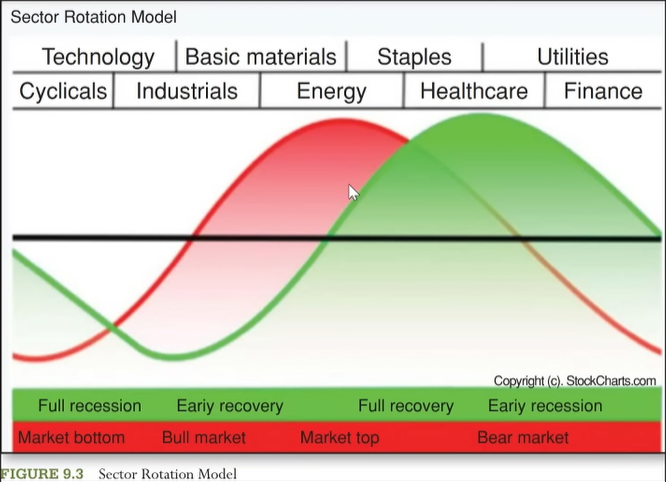
In this new climate, sectors that generate consistent cash flows and have tangible assets are back in favor. We're seeing sustained outperformance from three key areas:
- Health Care: With an aging global population and continuous innovation in biotechnology and medical devices, the sector offers defensive growth that is less tied to the economic cycle.
- Industrials: A focus on reshoring supply chains, infrastructure upgrades, and green energy projects has created a powerful tailwind for industrial companies involved in manufacturing, logistics, and engineering.
- Energy: After years of underinvestment, the energy sector is benefiting from disciplined capital spending and a renewed focus on energy security. These companies are now leaner, more profitable, and returning significant cash to shareholders.
| Feature | AI-Exuberance Era (Early 2020s) | 2026 Value Shift |
|---|---|---|
| Leading Sectors | Technology, Communication Services | Energy, Industrials, Health Care, Financials |
| Market Driver | Narrative & Future Growth Potential | Profitability & Current Cash Flow |
| Investor Sentiment | FOMO (Fear of Missing Out) | Cautious Optimism, Focus on Fundamentals |
| Interest Rates | Near-zero or very low | Moderately high and stable |
Now, let's test your understanding of these new market dynamics.
What is the most significant mechanical shift in the financial markets of 2026 as described in the text?
In a T+1 settlement environment, what is the primary risk for a retail investor who makes a purchase without having sufficient settled cash in their account?
Understanding these mechanical and thematic shifts is crucial for navigating the current market. By adapting to the faster settlement times and recognizing the rotation into value, you can position yourself to avoid unnecessary risks and capitalize on new opportunities.