Strategic Sports Management and Industry Leadership
Strategy and Athlete Branding
The Athlete Is the Brand
Not long ago, sports marketing was a simple game of visibility. A brand paid a team, and its logo appeared on a jersey, a stadium banner, or a halftime show. The strategy was broad: get the logo in front of as many eyeballs as possible. The athlete was a walking billboard. Today, that model is being completely rewritten. The power has shifted from the institution to the individual. Modern sports branding is no longer about logo placement; it’s about athlete-first storytelling.
An athlete's personal story, their values, and their off-court personality are now the most valuable assets. Brands aren't just buying ad space anymore; they're investing in a narrative. This approach creates a much deeper connection with audiences, who follow athletes not just for their performance but for who they are. When a fan feels connected to an athlete's journey, their loyalty extends to the brands that are part of that story. This is the core of modern sports partnerships, moving beyond transactional endorsements to authentic collaborations.
Ever since a landmark decision by the Supreme Court in 2021 paved the way for athletes to monetize their brand and pursue “education-related benefits,” the federal government has done nothing to provide structure or guardrails for how that would work.
This shift dramatically changes the landscape, especially in collegiate sports with the introduction of . Suddenly, student-athletes have the power to build and monetise their own brands long before they turn pro. This decentralises influence, forcing leagues and teams to see their players not as employees, but as powerful media partners in their own right.
Beyond the Highlight Reel
The engine of athlete-first storytelling is short-form content. Platforms like TikTok and Instagram Reels have become central to branding strategy because they excel at showcasing authenticity. Polished, corporate-style ads still have a place, but the content that truly builds community is raw, personal, and behind-the-scenes.
Fans no longer just want to see the game-winning shot; they want to see the practice that led to it. They want to see what an athlete eats for breakfast, their pre-game rituals, or their light-hearted interactions with teammates. This type of content feels unscripted and genuine, creating a sense of direct access and personal connection. For a brand, integrating into this content is far more powerful than a standalone ad. It’s the difference between interrupting the conversation and being part of it.
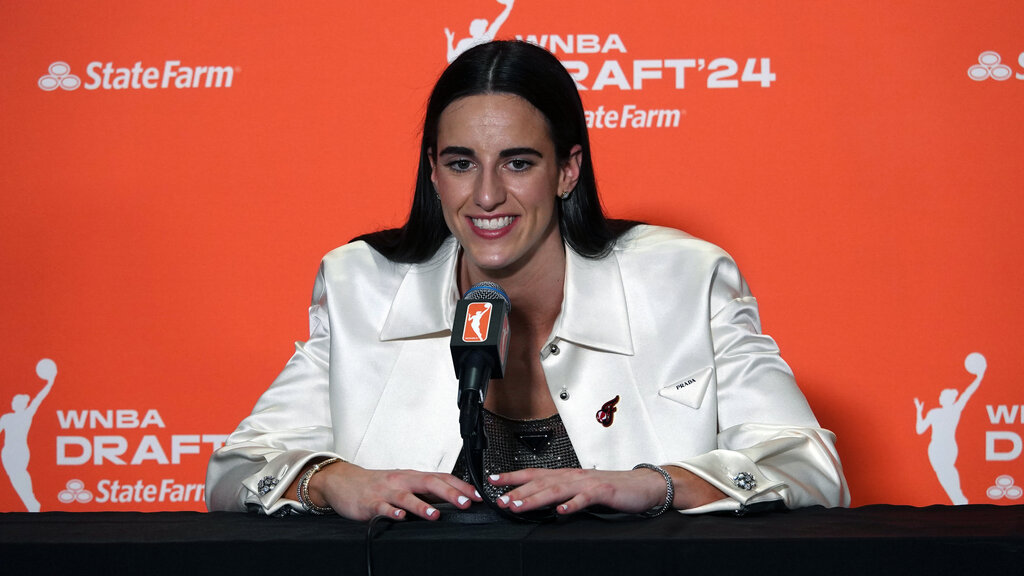
Complex sponsorship activations now blend these short-form, organic moments with high-level campaign goals. A shoe company might sponsor an athlete's TikTok series about their journey back from an injury. A nutrition brand might co-create a series of Instagram Reels where the athlete shares their favourite healthy recipes. These are no longer simple endorsements; they are where the athlete's personal brand and the sponsor's message are woven together seamlessly.
The Data-Driven Fan
To maximise the impact of these strategies, teams and leagues are building what is known as a 'Unified Fan Identity'. This is a data-driven model that creates a 360-degree view of an individual fan's behaviour. It connects every touchpoint: social media engagement, merchandise purchases, app usage, ticket scans, and content consumption.
By understanding that a fan follows a specific player on Instagram and recently bought their jersey, a team's personalisation engine can send them a notification about an upcoming game featuring that player, or offer exclusive access to a post-game Q&A. This model bridges the gap between individual athlete fandom and broader franchise loyalty. It makes marketing more efficient by delivering highly relevant content to the people most likely to engage with it, turning casual followers into dedicated supporters.
The New Growth Arenas
Perhaps the most significant growth vector in sports marketing is women's sports. Viewership, attendance, and investment are rising at an unprecedented rate. This presents a massive opportunity for brands to connect with a highly engaged and rapidly expanding audience. Marketing in women's sports often requires a different approach, moving away from mass-market broadcasting towards community-led strategies.
This involves leveraging athletes as grassroots micro-influencers who have deep trust within specific communities. The focus is less on celebrity and more on authenticity and shared values. A brand might partner with a local athlete to support a youth sports initiative, creating a genuine connection that a multi-million dollar TV ad can't replicate. This trade-off between mass reach and niche engagement is a central strategic question. While a prime-time commercial hits more people, a community-led campaign builds deeper, more lasting brand affinity.
What is the primary shift in modern sports branding as described in the text?
According to the text, why is short-form content on platforms like TikTok and Instagram so effective for athlete branding?
Understanding these shifts is key to navigating the modern sports landscape. The future belongs to brands, athletes, and teams that can master the art of authentic storytelling and build genuine communities.