Strategic Sanitation for Business Operations
Sanitation Fundamentals
What Sanitation Really Means
Sanitation is a core part of any successful business, but the term is often misunderstood. It’s not just about wiping down counters. True sanitation involves a specific sequence of actions designed to create a safe and healthy environment. Let's break down the three key terms: cleaning, sanitizing, and disinfecting.
First comes cleaning. This is the physical act of removing visible dirt, dust, food particles, and other grime from a surface. You might use soap and water, a scrub brush, or a vacuum. Cleaning is essential because you can't effectively sanitize or disinfect a dirty surface. Germs can hide under dirt, making later steps less effective.
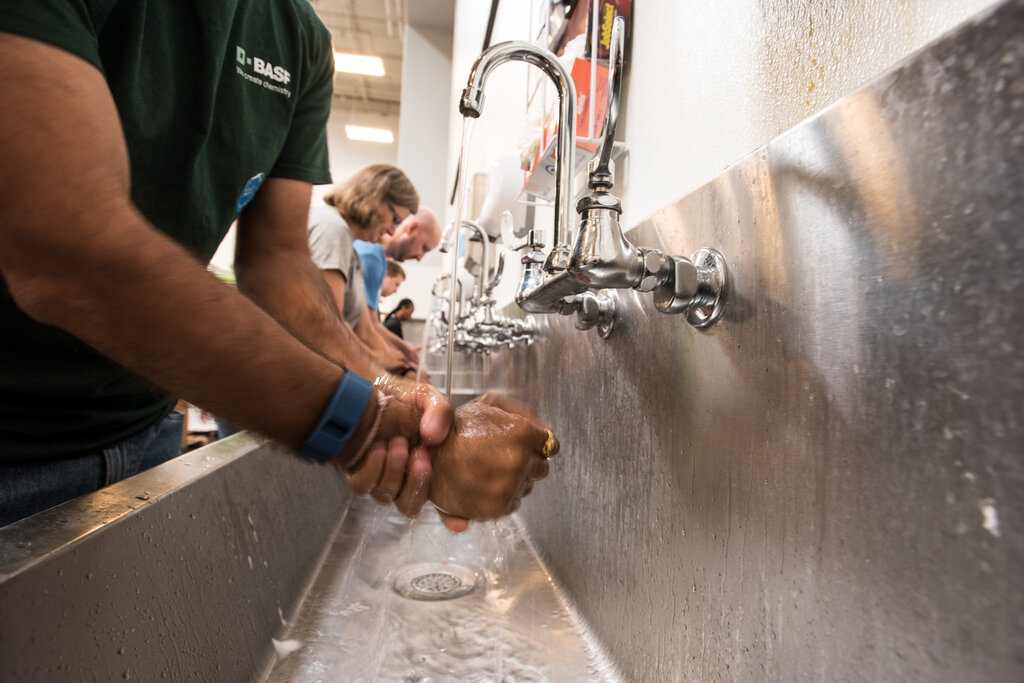
Next is sanitizing. This step reduces the number of bacteria and other microorganisms on a surface to a level considered safe by public health standards. Sanitizing doesn't necessarily kill all viruses or fungi, but it lowers the overall germ count significantly. It's a common requirement for surfaces that come into contact with food, like cutting boards and kitchen counters.
Cleaning must always come before sanitisation [8].
Finally, we have disinfecting. This process uses chemicals to kill germs, including bacteria, viruses, and fungi. Disinfecting is a more powerful step than sanitizing. It's typically used in high-risk environments like healthcare settings or on surfaces that are frequently touched by many people, such as doorknobs, light switches, and bathroom fixtures.
| Action | What It Does | Common Application |
|---|---|---|
| Cleaning | Removes visible dirt and grime | Wiping up spills, sweeping floors |
| Sanitizing | Reduces bacteria to safe levels | Food preparation surfaces, children's toys |
| Disinfecting | Kills most germs, including viruses | Doorknobs, bathroom fixtures, hospital rooms |
More Than Just Clean
Effective sanitation does more than just make a space look nice. It's a critical investment in public health, protecting both your customers and your employees from illness. When a business maintains high sanitation standards, it actively prevents the spread of foodborne illnesses and other communicable diseases. This creates a safe environment where people feel secure.
That feeling of security directly impacts your business's reputation. A clean, well-maintained establishment signals professionalism and care. Customers notice the details, from spotless restrooms to clean tabletops. This builds trust and encourages repeat business. Conversely, a single negative experience related to cleanliness can drive customers away for good and lead to damaging reviews.
A clean environment isn't an added feature; it's a basic promise to your customers that you value their well-being.
Ultimately, sanitation is not an expense to be minimized but a fundamental operational practice. It’s about creating a safe, trustworthy, and welcoming environment that forms the bedrock of a healthy business.
What is the primary purpose of cleaning in a sanitation process?
Which of the following processes is designed to kill nearly all germs, including bacteria, viruses, and fungi?