Strategic Risk Assessment Timing in Information Systems
Risk Assessment Timing
Timing Is Everything
Knowing what a risk assessment is isn't enough. The real key to effective security is knowing when to perform one. It’s not a single event you check off a list. Instead, risk assessment is a continuous activity woven directly into the entire life of an information system, from the first glimmer of an idea to its final sunset.
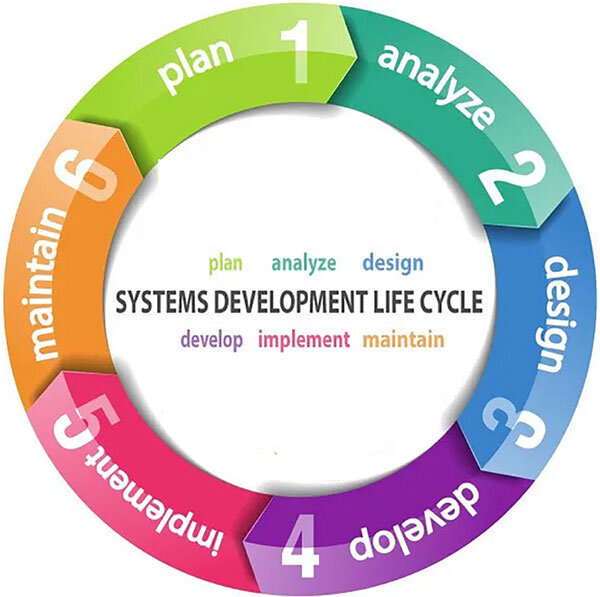
The System Development Lifecycle (SDLC) provides the perfect roadmap for timing these assessments. By integrating risk analysis into each phase, you can proactively identify and address vulnerabilities before they become critical failures. This approach transforms security from an afterthought into a core part of the development process.
From Conception to Creation
Effective risk management begins at the very start of a project.
During the Initiation Phase, before any significant resources are committed, a high-level risk assessment is crucial. At this stage, you're not diving into technical details. Instead, you're evaluating the fundamental concept. What are the potential privacy impacts? Does the proposed system handle sensitive data? What major regulatory hurdles might exist? This initial assessment helps shape the business case and establishes the foundational security posture for the entire project.
As the project moves into the Development and Acquisition Phase, the assessments become more specific and technical. If you're building the system, you'll assess risks related to architecture, coding practices, and chosen technologies. If you're buying a system, the focus shifts to vendor security, integration challenges, and the security of the supply chain. The goal here is to influence design and procurement decisions to build security in from the ground up.
Identifying and mitigating a security flaw during the design phase is far cheaper and more effective than patching a vulnerability in a system that's already live and handling critical data.
Deployment and Daily Operations
Just before a system goes live, during the Implementation Phase, a final, comprehensive risk assessment is necessary. This isn't theoretical anymore. It's a review of the actual, fully configured system in its production or near-production environment. This assessment verifies that the security controls designed in the previous phase have been implemented correctly and are effective.
Once the system is operational, the work isn't done. The Operations and Maintenance Phase requires periodic risk assessments. Threats evolve, new vulnerabilities are discovered, and the system's environment changes. Regular assessments, often performed annually or biennially, ensure the system's security posture keeps pace with this changing landscape. These are supplemented by continuous monitoring to catch new risks in real-time.
Finally, even decommissioning a system has risks. During the Disposal Phase, a risk assessment focuses on data remanence. How do you ensure that sensitive information is properly sanitized from old hardware and media? What are the risks of data being recovered after the system is shut down? An assessment at this stage ensures a secure retirement for the system.
When Change Happens
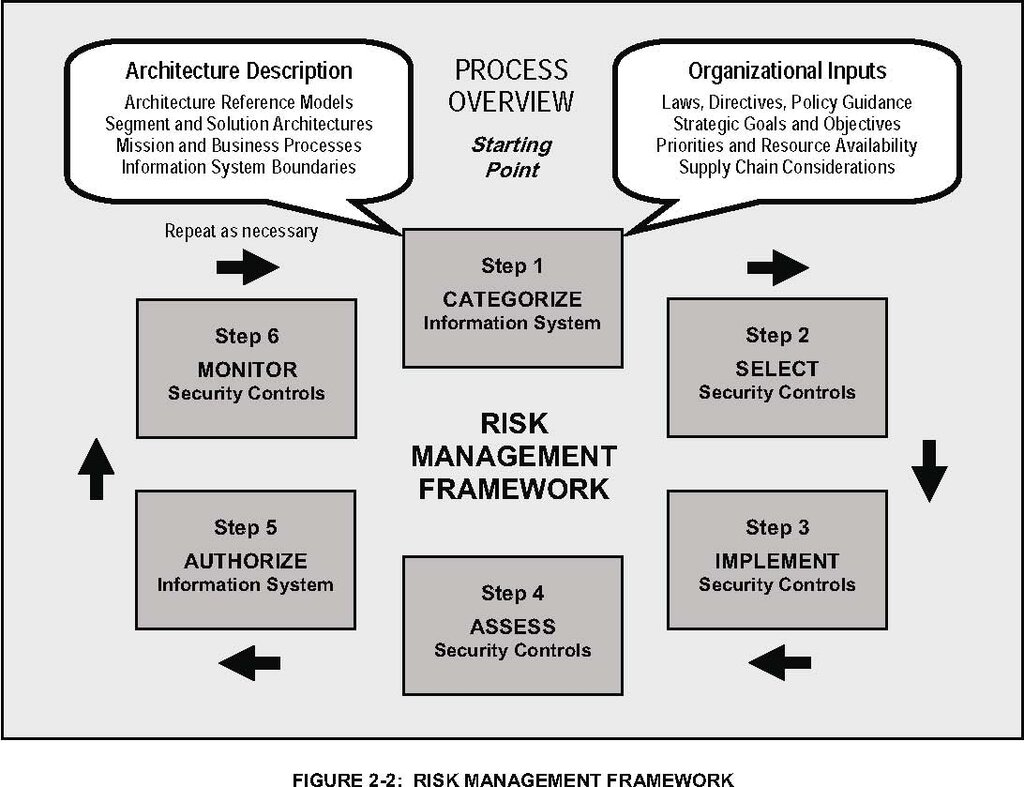
Beyond the standard SDLC phases, risk assessments are also triggered by significant changes to the system or its environment. These are moments when the existing risk calculations may no longer be valid.
Consider these scenarios:
- Major Upgrades: A significant software update or hardware refresh can introduce new vulnerabilities or alter how existing security controls function. An assessment is needed to understand the risk profile of the new configuration.
- New System Interfaces: Connecting your system to another, previously separate system creates a new pathway for potential threats. You must assess the security of the new interface and the system on the other side.
- Changes in Data Sensitivity: If the system begins to store or process more sensitive information (like Personally Identifiable Information or financial data), its risk profile elevates dramatically. This requires an immediate reassessment of security controls.
- New Threats: The discovery of a major new vulnerability, like Log4j or Heartbleed, should trigger a targeted risk assessment to see if your systems are affected and how to respond.
Treating risk assessment as a dynamic and ongoing process ensures that your understanding of a system's security posture is always current. It allows you to make informed decisions, adapt to new threats, and maintain resilience over the long term.
During which phase of the System Development Lifecycle (SDLC) is a high-level risk assessment performed to evaluate the fundamental concept and potential privacy impacts of a new system, even before significant resources are committed?
What is the primary focus of a risk assessment during the Disposal Phase?