Strategic Review Event Facilitation
Understanding Strategic Reviews
Checking the Map
A business strategy isn't something you set once and forget. Think of it as a route plotted on a map for a long journey. Along the way, you need to pull over, check your progress, and look at the road ahead. Is there unexpected traffic? A new, faster route? A storm brewing?
A strategic review is that check-in. It's a formal process where a company steps back to evaluate its strategic plan. The goal isn't to tear up the map and start over every time. Instead, it’s about making smart adjustments to ensure the company is still heading toward its ultimate destination, even as the landscape changes.
A strategic review is less about judging past performance and more about preparing for future success.
What's the Point?
Conducting a strategic review has a few core objectives. First and foremost, it’s about assessment. Is the current strategy actually working? By looking at performance data, the leadership team can see which parts of the plan are delivering results and which are falling short.
Next, it’s about alignment. A business has many moving parts. A strategic review ensures that all departments and teams are working toward the same overarching goals. It’s a chance to confirm that the company’s vision is still clear and that day-to-day activities are contributing to it.
Finally, a review is about adaptation. It forces a company to look outside its own walls and identify opportunities for improvement or growth. It answers critical questions: Have our customers' needs changed? Are new competitors emerging? Is new technology creating different possibilities?
Key Ingredients
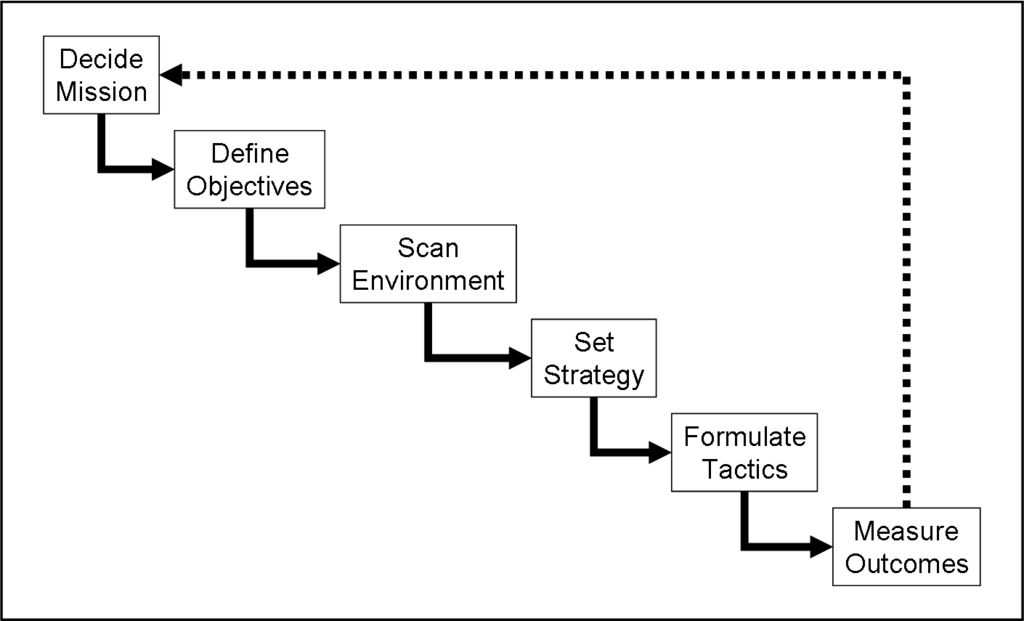
While every strategic review is different, they usually share a few key components. These aren't rigid steps, but rather areas of focus that help create a complete picture.
-
Performance Analysis: This is the internal look. It involves digging into the data to see how the company is performing against the goals it set. This could mean looking at financial reports, sales figures, customer satisfaction scores, or production efficiency.
-
Market Assessment: This is the external view. It involves analyzing the market, the industry, and the competition. What trends are shaping the business environment? What are competitors doing that might impact the company's position?
-
Stakeholder Engagement: A business doesn't operate in a vacuum. This component involves gathering feedback from key groups, including employees, customers, investors, and partners. Their perspectives provide valuable context that numbers alone can't capture.
Regular reviews turn strategy from a static document into a dynamic, living guide for the business.
The benefits of this process are clear. It leads to smarter, more informed decision-making. It ensures that money, time, and people are focused on the things that matter most. And most importantly, it helps a business stay nimble and competitive in a world that never stops changing.
What is the primary purpose of a strategic review?
A company notices a new competitor is rapidly gaining market share with a novel technology. During which component of a strategic review would this be primarily analyzed?