Strategic Resource Analysis with VRIN and VRIO
Resource-Based View Foundation
Beyond the SWOT Matrix
You're likely familiar with SWOT analysis. It’s a reliable tool for scanning the business landscape. But its 'Strengths' and 'Weaknesses' categories often remain superficial. It's easy to list what a company does well, but much harder to pinpoint why it does those things well. What's the real source of that strength?
The Resource-Based View (RBV) offers a deeper perspective. Instead of starting with the external market, it starts by looking inward. The core idea is simple: a firm's unique combination of internal resources and capabilities is the primary driver of its long-term competitive advantage. While competitors can often copy a product or a marketing tactic, it's much harder for them to replicate a company's unique culture, proprietary knowledge, or trusted brand.
This model suggests that organizations should invest in their human resources in order to gain a competitive advantage over their competitors.
What Makes a Resource Special?
The RBV is built on two fundamental assumptions that explain why some companies succeed while others in the same industry falter, even when facing identical external conditions. These aren't just academic theories; they're observable realities in the market.
First is This principle states that the resources and capabilities of firms are not all the same. One company might have a world-class engineering team, while another possesses an unparalleled distribution network. A competitor can't simply decide to have the same strengths; these bundles of resources are unique to each firm.
Second is This means that these unique resources can't be easily bought, sold, or copied. Think about the brand reputation of Coca-Cola or the design culture at Apple. These assets are "sticky." They were built over decades and are deeply embedded in the organization. A rival can't purchase that history or culture on the open market.
These two assumptions work together. Because resources are different across firms (heterogeneity) and because they are difficult to transfer (immobility), a company that possesses valuable resources can maintain its advantage over time.
Assets You Can and Can't Touch
When we talk about resources, it's crucial to distinguish between two categories. Tangible assets are the physical things you can see and count. This includes machinery, buildings, inventory, and cash reserves. They appear on the balance sheet and are relatively easy to value and, often, to acquire.
Intangible assets are the opposite. They lack physical substance but can be far more valuable. This category includes things like brand reputation, intellectual property (patents, trademarks), company culture, and proprietary knowledge. These are the resources that are most likely to be rare, difficult to imitate, and central to a sustainable competitive advantage.
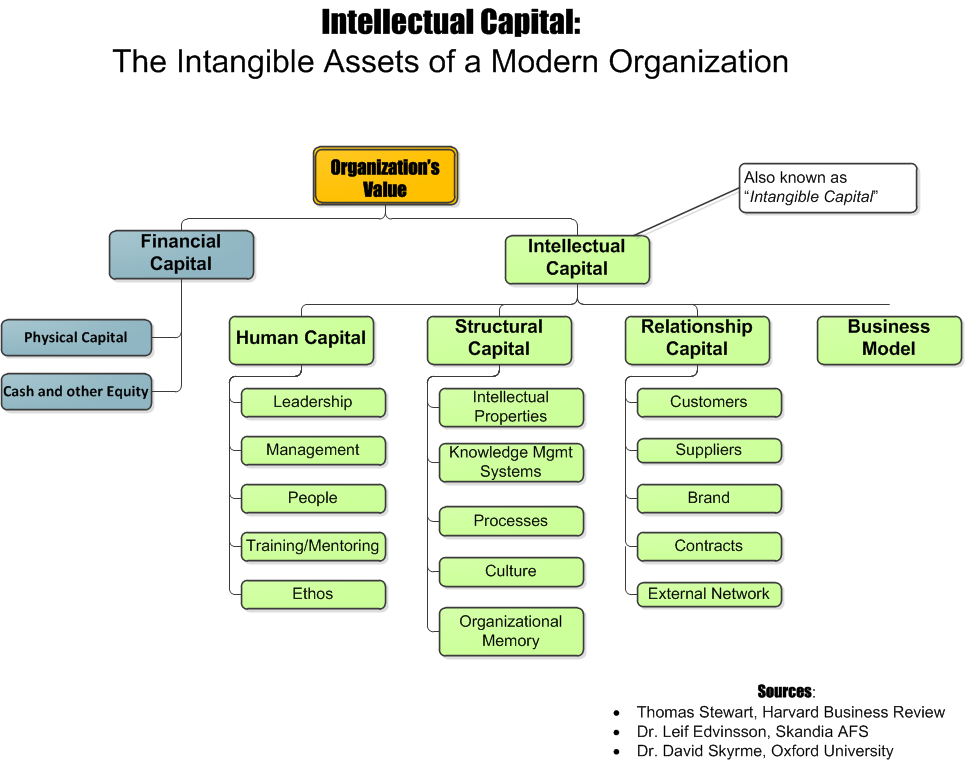
Think of it this way: any competitor with enough capital can buy the same high-end manufacturing equipment. That's a tangible asset. But can they replicate the trust your customers have in your brand, built over 50 years? That's an intangible asset, and it's much harder to challenge.
The RBV elevates the conversation from 'what we have' to 'what we can do with what we have that others can't.'
By applying the RBV, the 'Strengths' and 'Weaknesses' components of a SWOT analysis become more meaningful. A strength isn't just
Time to see how well you've grasped these core ideas.
What is the central premise of the Resource-Based View (RBV)?
A well-funded startup enters the smartphone market, building a device with technical specifications identical to the top-selling model. However, it fails to gain significant market share because consumers continue to trust and prefer the established brand. Which RBV principle best explains the established brand's advantage?
With this foundation, you can start looking at any business not just for what it sells, but for the unique, hard-to-copy resources that power its success.