Strategic Product Company Growth
Strategic Thinking Fundamentals
What Is Strategic Thinking?
Strategic thinking is less about having a rigid plan and more about adopting a certain mindset. It’s the ability to see the big picture, connect the dots between your company's goals and the wider world, and make decisions today that will set you up for success tomorrow.
Think of it like playing chess. A novice player only thinks about their next move. A grandmaster thinks several moves ahead, anticipating the opponent’s actions and positioning their pieces for a future advantage. Strategic thinking is playing the long game for your business.
In a product company, this means looking beyond the next feature launch or quarterly target. It involves understanding where the market is headed, what customers will need in the future, and how your company can uniquely meet those needs. It’s the foundation for creating products that don't just sell now, but continue to be relevant for years to come.
Aligning Goals with Opportunities
A core part of strategic thinking is connecting what your business wants to achieve with what the market actually wants. Your company might have a goal to increase revenue by 20%, but that goal is meaningless without a clear path to get there. That path is paved with market opportunities.
Opportunities aren't always obvious. They might be a new technology that could improve your product, a shift in customer behavior, or a gap in the market that no one else is filling. The key is to actively look for these openings and assess how they line up with your internal objectives.
For example, if your objective is growth, and you notice a rising consumer demand for sustainable products, a strategic move would be to explore eco-friendly materials for your next product line. This aligns your internal goal (growth) with an external opportunity (market trend).
This alignment ensures that you're not just working hard, but you're working smart. Every effort is directed toward a clear purpose that has a real chance of succeeding in the current market environment. Without this connection, companies risk building products that nobody wants or chasing goals that are disconnected from reality.
Analyzing the Competitive Landscape
You don't operate in a vacuum. Every product company has competitors, and understanding them is crucial. Analyzing the competitive landscape isn't about copying what others do; it's about understanding their strategies so you can find your own unique path.
A good analysis looks at your competitors' strengths and weaknesses. What are they great at? Where do they fall short? Their weaknesses can become your opportunities. If your main competitor is known for high prices, you might find an opening for a more affordable alternative. If their product is powerful but complicated, you could win with a simpler, more user-friendly design.
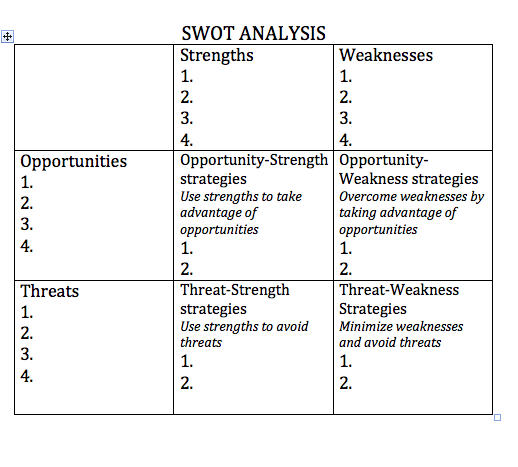
Also pay attention to what your competitors aren't doing. The gaps they leave in the market are often the most fertile ground for new ideas. By understanding the entire field of play, you can position your product in a way that highlights its unique value and makes it the obvious choice for a specific group of customers.
A Proactive and Balanced Mindset
Strategic thinking is fundamentally proactive. Instead of waiting for the market to change and then reacting, a strategic thinker anticipates change and prepares for it. This means keeping an eye on emerging trends, new technologies, and shifts in the cultural landscape. It’s about asking "what if?" and exploring potential futures.
Being proactive allows you to shape the future rather than being a victim of it. You can introduce innovative products that define a new category instead of just competing in an existing one.
However, innovation always comes with risk. A truly strategic mindset knows how to balance the push for new, groundbreaking ideas with smart risk management. Not every bold idea will be a winner, and it's important not to bet the entire company on a single unproven concept. This balance involves testing ideas on a small scale, gathering data, and making informed decisions about which risks are worth taking.
Managing risk doesn't mean avoiding it. It means understanding the potential downsides, having a plan to mitigate them, and ensuring that your potential rewards justify the chances you take. This thoughtful approach to innovation is what drives sustainable, long-term growth.
Now, let's test your understanding of these foundational concepts.
What is the primary characteristic of strategic thinking in a product company?
Why is it crucial to align internal company objectives with external market opportunities?
By mastering these fundamentals, you build a solid foundation for making smarter, more impactful decisions that will guide your products and your company toward a successful future.