Strategic Planning with the TOWS Matrix
Understanding SWOT Analysis
What is a SWOT Analysis?
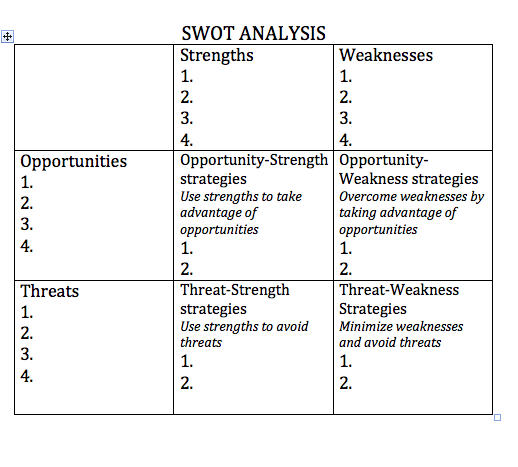
A SWOT analysis is a simple but powerful tool for understanding your business or project. The name is an acronym for Strengths, Weaknesses, Opportunities, and Threats. It's a framework that helps you evaluate your competitive position and see the bigger picture.
Think of it as a structured brainstorming session. By mapping out these four areas, you get a clear snapshot of where you are right now. This helps you figure out what's working, what isn't, and what you need to prepare for in the future.
Internal vs. External Factors
The four categories of a SWOT analysis are divided into two groups: internal and external factors. This distinction is critical.
Strengths and Weaknesses are internal. They are things your organization can control and change. Opportunities and Threats are external. They exist in the wider environment, outside of your direct control.
Getting this right is the key to an effective analysis. Let’s break down what to look for in each category.
Looking Inside: Strengths and Weaknesses
Strengths are the positive attributes inside your organization. These are the things you do well. To identify them, ask questions like:
- What advantages do we have?
- What unique resources can we draw on?
- What do our customers love about us?
Examples could be a strong brand reputation, a talented team, proprietary technology, or efficient processes.
Weaknesses are the negative factors that detract from your strengths. It's important to be honest here. A clear-eyed view of your weaknesses is necessary for improvement. Ask yourself:
- What could we improve?
- Where do we have fewer resources than others?
- What are our competitors doing better?
Common weaknesses include high levels of debt, an outdated IT system, a poor location, or a lack of clear direction.
Looking Outside: Opportunities and Threats
Opportunities are external factors that your organization could use to its advantage. These are openings in the market you can exploit. Consider questions like:
- Are there underserved markets for our products?
- What new technology could help us?
- Are there changes in regulations that might benefit us?
Opportunities might include a new technology trend, a competitor going out of business, or changing customer tastes that align with your products.
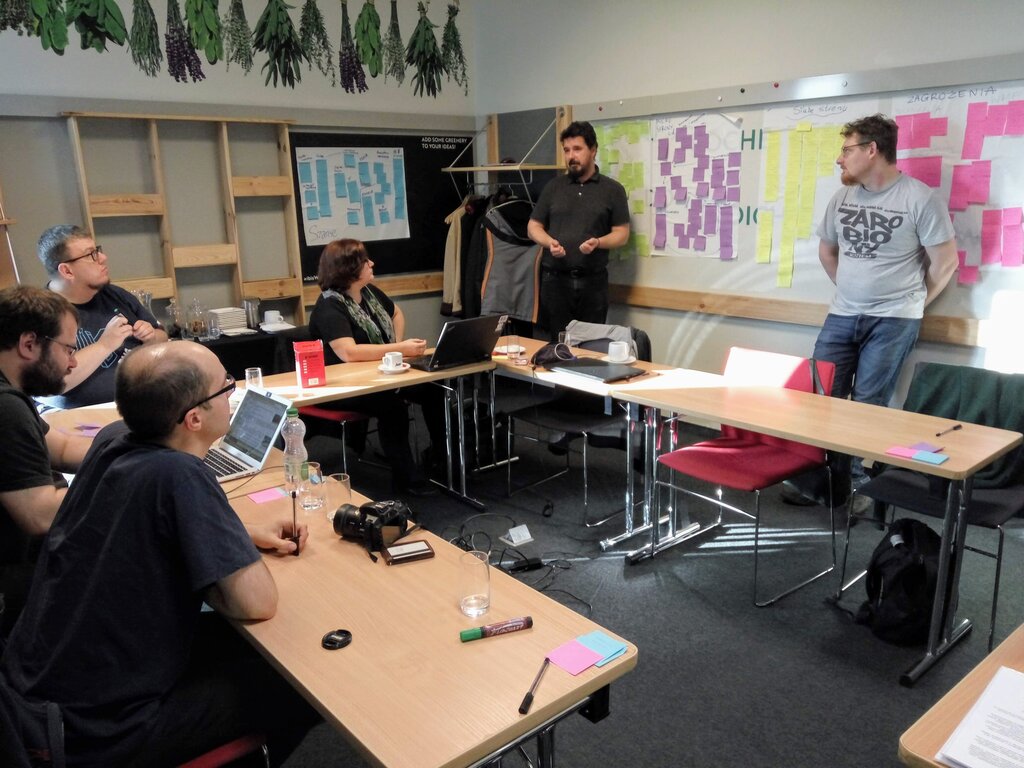
Threats are external factors that could harm your organization. These are potential problems you need to be aware of. Ask your team:
- What obstacles do we face?
- What are our competitors doing?
- Could a change in the economy hurt our business?
Threats can range from a new competitor entering your market and a downturn in the economy to supply chain problems and shifting consumer behavior.
Common Pitfalls
While a SWOT analysis is straightforward, some common mistakes can make it less effective. Be sure to avoid these traps:
| Pitfall | Why It's a Problem | How to Avoid It |
|---|---|---|
| Being Too Vague | Statements like "better marketing" aren't helpful. | Be specific. Instead, say "lack of presence on key social media platforms." |
| Confusing Internal & External | Placing a competitor's strength in your weaknesses column misses the point. | Double-check each item. Does your organization have direct control over it? If not, it's external. |
| Creating Long Lists | A laundry list of minor points can hide what’s truly important. | Focus on the most significant factors. Prioritize the top 3-5 items in each category. |
| Ignoring the Results | The analysis is useless if it just sits in a drawer. | The goal is to gain insights that lead to action. Use the analysis to inform your strategy. |
A good SWOT analysis is a living document. It captures a moment in time, but the world changes. Revisit your analysis periodically to stay on track.