Strategic Performance Appraisal and Civil Service Productivity
Strategic Goal Alignment
From National Plan to Daily Task
In the private sector, the ultimate goal is usually clear: profit. For a civil servant, the mission is different. The work isn't about shareholder value; it's about public value. This requires a direct, unbroken connection between the highest-level government objectives and the daily tasks of every single employee. This connection is often called a 'line of sight'.
Imagine a country's four-year national development plan. It might include a broad goal like "Improve public health outcomes." This is far too big for any one person to tackle. So, the goal is cascaded down. The Ministry of Health takes that goal and creates its own strategic objective: "Reduce infant mortality by 10%." That objective is then passed to a regional health department, which sets a target to "Increase vaccination rates in rural areas by 15%." Finally, a public health nurse in a small town receives their individual performance contract, which includes the specific goal: "Administer 500 vaccinations this quarter."
This cascading process transforms a massive national ambition into a clear, measurable, and achievable task for an individual. The nurse can see exactly how their work contributes to a national priority.
Measuring What Matters
Creating this line of sight is only half the battle. Public sector leaders must also ensure they are measuring the right things. Instead of profit, the key metric is public value. But what does that mean, and how is it balanced against other pressures? A useful framework for this is the Strategic Triangle for public sector management.
This model highlights the three critical elements a public manager must balance:
-
Public Value: What is the actual, tangible benefit being created for society? This isn't just about services delivered, but about the societal outcomes achieved, like improved literacy, safer streets, or cleaner air.
-
Authorizing Environment: This refers to the network of stakeholders, from political overseers to the general public, who grant the agency the legitimacy and resources to operate. Without their support, even the most valuable mission will fail.
-
Operational Capacity: This is the practical ability of the organization to get the job done. It includes funding, technology, staff skills, and efficient processes. An ambitious goal is useless without the capacity to execute it.
An effective performance appraisal in the public sector must consider how an employee's work contributes to all three points of the triangle, not just one.
Frameworks for Alignment
To systematically connect national goals with individual tasks, many governments use formal frameworks. One common example is the Strategic Performance Management System (SPMS). This is a mechanism for cascading goals and establishing clear accountability throughout the civil service.
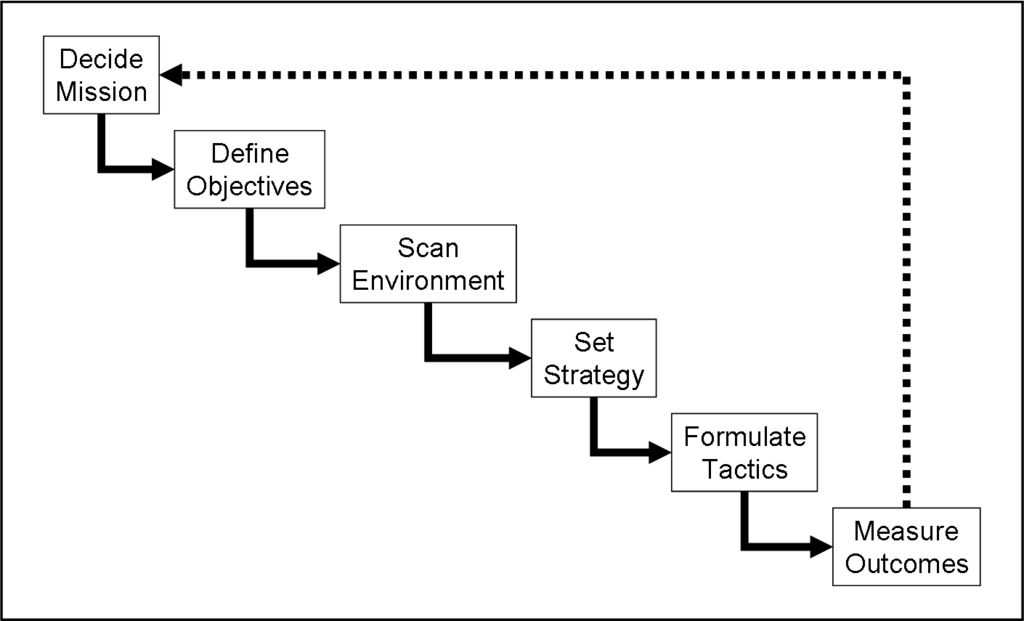
Under an SPMS, an agency's multi-year strategic plan is the starting point. This plan is broken down into annual objectives. These objectives are then translated into specific, measurable performance targets for each division, unit, and ultimately, each employee. The employee and their manager formalize these targets in an annual performance contract.
This contract becomes the basis for ongoing feedback and the final annual appraisal. It ensures that every employee understands their role in achieving the agency's mission and provides a clear, objective basis for evaluating their contribution. By tying performance directly to departmental mandates and societal outcomes, these systems make the creation of public value the central focus of every civil servant's work.
Time to check your understanding of these core frameworks.
What is the primary purpose of establishing a 'line of sight' in the public sector?
A public health agency has developed a groundbreaking vaccination program (creating Public Value) and has secured full political and public support (a strong Authorizing Environment). However, it lacks the trained nurses and distribution network to administer the vaccines effectively. Which element of the Strategic Triangle is weak?
Ultimately, strategic goal alignment provides the structure that allows tens of thousands of individual civil servants to work in concert, translating broad national policy into tangible results for the public.