Strategic Leadership for Insurance Innovation and Growth
Strategic Leadership Fundamentals
What Is Strategic Leadership?
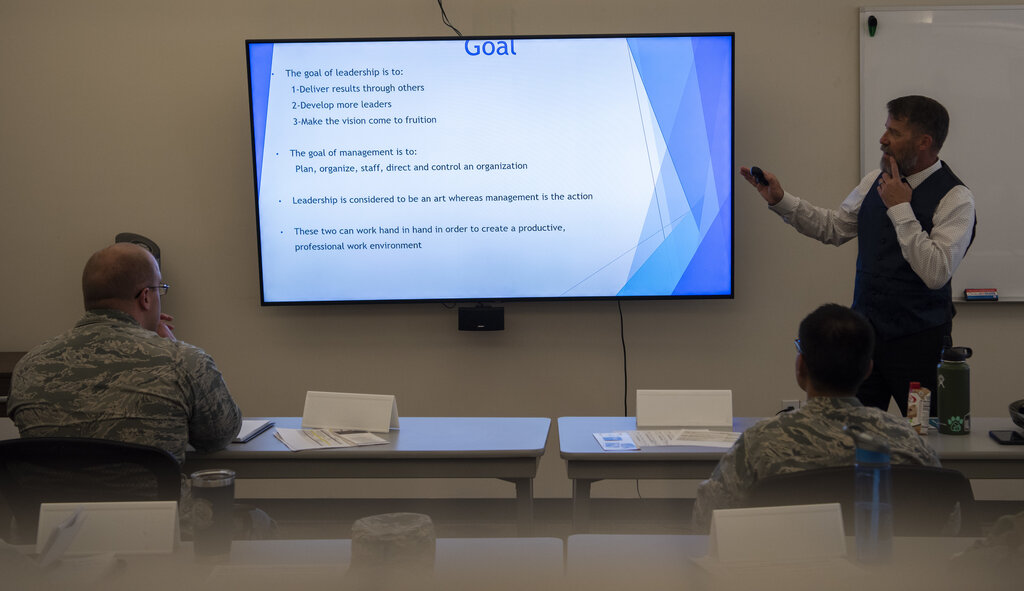
Strategic leadership is the ability to look ahead, see the bigger picture, and guide an organization toward its long-term goals. It's different from day-to-day management, which focuses on keeping current operations running smoothly. A strategic leader is like the captain of a ship, not just steering around immediate obstacles but charting a course for a distant destination, even when the weather is unpredictable.
This foresight is crucial. Without it, an organization is just reacting to events as they happen. It might be efficient today but unprepared for the challenges of tomorrow. Strategic leadership provides direction and purpose, ensuring that everyone is working toward the same future.
vision
noun
A clear, aspirational, and long-term view of what an organization aims to become.
The Leader's Core Jobs
At its heart, strategic leadership involves three fundamental responsibilities that build on one another.
First, a leader must set the vision. This is the compelling picture of the future that inspires and motivates the entire team. It answers the question, “Where are we going, and why does it matter?” A strong vision acts as a North Star, guiding all subsequent actions.
Second, leaders must make key decisions. With a clear destination in mind, they can evaluate different paths forward. These are high-stakes choices about which markets to enter, what products to develop, or how to respond to competitive threats.
Finally, a leader must align resources to support those decisions. A vision is just a dream without the people, funding, and tools to make it a reality. This means directing talent and capital toward the most important priorities and ensuring the organization has the capability to execute its strategy.
Navigating a Changing World
The business world isn't static. New technologies emerge, customer preferences shift, and unexpected crises arise. A strategic plan can't be a rigid, unchangeable document. This is where adaptability comes in.
Strategic leaders must constantly scan the horizon for both opportunities and threats. They encourage a culture of learning and are willing to pivot when circumstances change. Proactive thinking means anticipating future trends rather than waiting to react to them. It’s the difference between building a dam before the flood and trying to bail out water during a storm.
Adaptability isn't about abandoning the vision. It's about finding new routes to the same destination when the original path becomes blocked.
This flexible approach allows an organization to remain resilient and relevant. By embracing change and making informed adjustments, strategic leaders ensure their organizations don't just survive in a dynamic environment—they thrive.
Ready to check your understanding? This quiz covers the core concepts of strategic leadership.
What is the primary focus of strategic leadership, as opposed to day-to-day management?
According to the core principles of strategic leadership, what is the first fundamental responsibility a leader must undertake?
Understanding these foundations is the first step. Strategic leadership is the engine that drives an organization forward, turning vision into reality.