Strategic Leadership and High Performance Teams
Psychology of High-Performance
The Safety Net for Big Ideas
High-performing teams don't just happen. They are carefully cultivated environments where people feel safe enough to take risks. This isn't about being comfortable or avoiding conflict. It's about creating what Harvard Business School professor calls psychological safety: a shared belief that the team is safe for interpersonal risk-taking.
Think of a team working on a high-stakes project as a group of trapeze artists. They can only attempt daring, innovative tricks if they trust the safety net below. Without it, they'll stick to simple, safe moves they know won't fail. Psychological safety is that net. It's the confidence that you can speak up, offer a wild idea, admit a mistake, or challenge the status quo without fear of being shamed, blamed, or ignored. This is the bedrock upon which trust, candor, and ultimately, breakthrough performance are built.

When that safety net is frayed or missing, teams predictably fall into common traps. These aren't random failures; they follow a clear pattern of breakdown that can be diagnosed and addressed.
Diagnosing the Cracks
Consultant Patrick Lencioni created a powerful model for understanding why teams fail. In his book, , he outlines a pyramid of interconnected issues. Each level builds on the one below it, meaning you can't solve a problem at the top without first fixing the foundation.
The base of all team dysfunction is an absence of trust. This isn't about trusting someone to do their job; it's about vulnerability-based trust. It's the confidence that your peers have good intentions and that you can be open and unguarded with them. Without it, team members engage in self-preservation, which leads to the second dysfunction: fear of conflict. Productive, ideological debate is replaced by artificial harmony. This unwillingness to engage in passionate debate leads directly to a lack of commitment, as people won't truly buy into decisions they never debated. The fourth dysfunction, avoidance of accountability, naturally follows. If people haven't committed to a plan, they won't hold each other accountable for their actions and behaviors. Finally, this all culminates in the fifth dysfunction: inattention to results. Team members focus on their own status or departmental goals instead of the collective success of the team.
Overcoming these dysfunctions requires building trust, which unlocks the team's ability to leverage its greatest asset: the different ways its members think.
The Power of Different Minds
is the variety in how people approach problems, interpret information, and make decisions. It's about differences in perspective, experience, and processing style. A team with high cognitive diversity might have a big-picture visionary, a detail-oriented analyst, a pragmatic implementer, and a creative risk-taker. This blend is a powerful engine for innovation.
However, these different perspectives only create value in a psychologically safe environment. In high-stakes fields like healthcare, this is a matter of life and death. Imagine a surgical team where a nurse notices the surgeon may have missed a step. In a team lacking psychological safety, the nurse might stay silent for fear of being reprimanded. In a high-performing team, that nurse feels empowered to speak up, potentially preventing a critical error. The surgeon, in turn, views the feedback not as a challenge to their authority, but as a valuable input to ensure the best patient outcome.
Cognitive diversity without psychological safety leads to friction. With psychological safety, it leads to innovation.
The leader's behavior is the most critical factor in creating this environment. It starts with a willingness to be vulnerable.
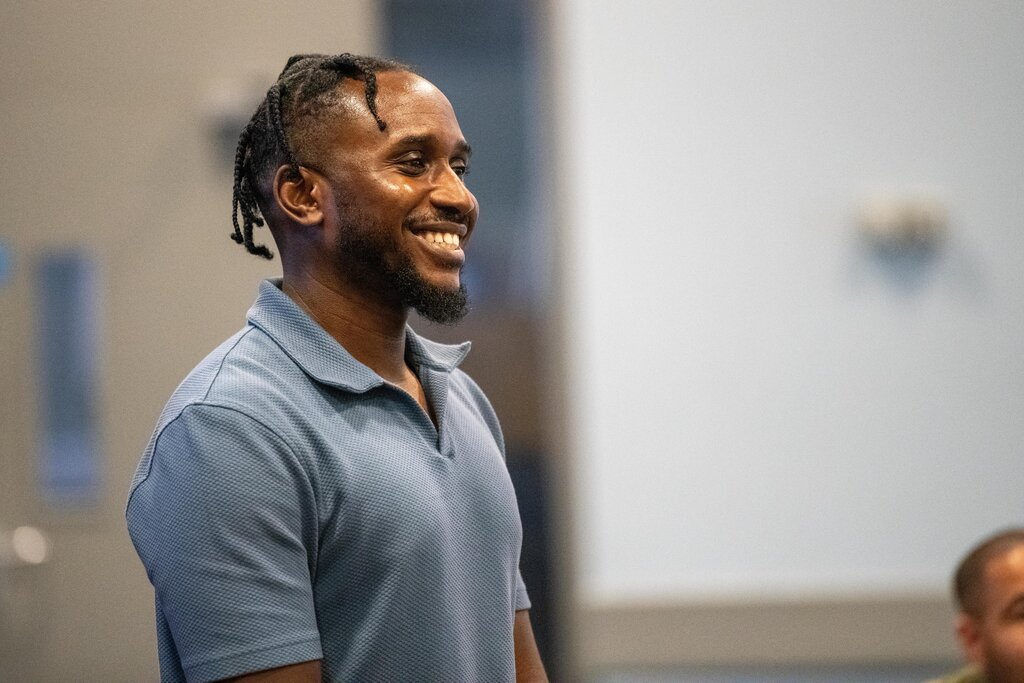
Vulnerability-based leadership isn't about oversharing or emotional outpourings. It's about having the strength and self-awareness to admit you don't have all the answers. When a leader says, "I'm not sure what the right move is here, what does everyone think?" or "My initial strategy was wrong, we need a new plan," they are not showing weakness. They are modeling confidence and humility.
This behavior sends a powerful signal to the team: it's okay to be imperfect, to take risks, and to learn from mistakes. By being the first to show vulnerability, a leader gives permission for others to do the same. This dismantles the fear that underpins Lencioni's pyramid and builds the foundation of trust needed for a team to truly perform.
Let's review the core concepts that separate high-performing teams from the rest.
Now, test your understanding of these crucial team dynamics.
According to the concept of psychological safety developed by Amy Edmondson, what is its core definition?
In Patrick Lencioni's "The Five Dysfunctions of a Team" model, what is the foundational dysfunction that forms the base of the pyramid?
By understanding these psychological principles, you can move beyond simply managing a group and begin cultivating a truly high-performing team.