Strategic Human Resource Management and Practice
Strategic Workforce Planning
Beyond Administration
Human Resources is no longer just about payroll and paperwork. Its modern role is that of a strategic partner, deeply involved in the long-term vision of the organization. This evolution means shifting from a reactive stance, filling roles as they become empty, to a proactive one, anticipating the skills and talent the business will need to thrive in the years ahead.
This foresight is the core of strategic workforce planning. It's about looking at the company's five-year strategy and asking, "What kind of team will get us there?" The goal is to ensure that the right people, with the right skills, are in the right places at the right time. It transforms HR from a cost center into a value driver that justifies every hiring and development decision with hard data tied directly to business outcomes.
Strategic workforce planning helps HR professionals evaluate future skill needs, identify gaps and develop proactive plans.
Scanning the Horizon
To plan for the future, you first need to understand the forces that will shape it. This process is called environmental scanning. It involves looking outside the organization at the wider world and inside at the company's own capabilities. Two powerful frameworks for this are PESTLE and SWOT analysis.
A PESTLE analysis examines external macro-environmental factors: Political, Economic, Social, Technological, Legal, and Environmental. For HR, this isn't an abstract exercise. A new data privacy law (Legal) might demand new cybersecurity expertise. An aging population (Social) could signal a need to rethink retirement and knowledge transfer. The rise of AI (Technological) will certainly change the skills required in nearly every department.
While PESTLE looks outward, a SWOT analysis looks inward at Strengths and Weaknesses, and then outward at Opportunities and Threats. From a workforce perspective, a Strength might be a highly skilled engineering team. A Weakness could be a lack of leadership depth. An Opportunity could be a new market opening up, while a Threat might be a competitor poaching top talent. Combining these gives a clear picture of the talent landscape.
By completing these analyses, HR moves from guessing to strategizing. You have a data-informed view of where the world is headed and how your organization is positioned to respond.
Bridging the Gap
With a clear view of the future, the next step is to look at your current workforce and measure the distance between what you have and what you'll need. This is the essence of gap analysis.
It begins with a simple question: Do we have the skills and headcount to execute our strategy? Answering this requires forecasting. Forecasting models can be quantitative, using historical data like employee turnover and growth rates to project future numbers. Or they can be qualitative, relying on expert opinions to predict changes. The Delphi method, for example, gathers and synthesizes anonymous judgments from a panel of experts to arrive at a consensus about future needs.
Let's say a company's strategy is to expand into Southeast Asia. The gap analysis might look like this:
- Future Need: 15 sales managers with fluency in Vietnamese and experience in the region.
- Current State: 2 sales managers who meet these criteria.
- The Gap: A deficit of 13 qualified managers.
This simple analysis immediately creates a clear mandate for HR. The problem is defined, and the next step is to build a plan to solve it through hiring, training, or relocating existing talent. Without this analysis, the company might not have realized the talent shortfall until the expansion was already failing.
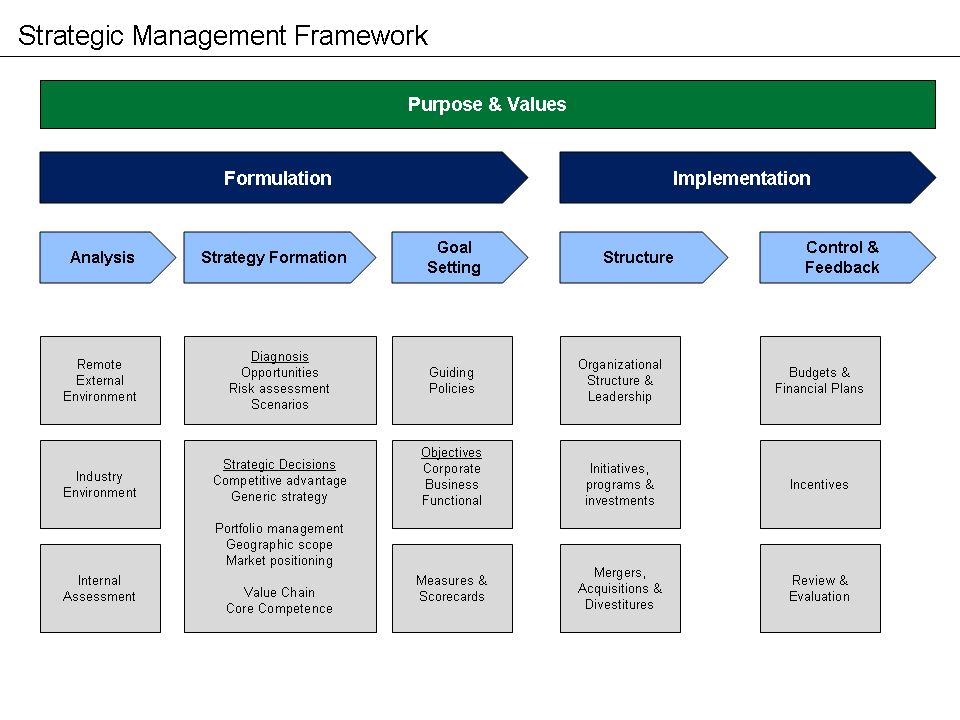
To truly align with business goals, HR metrics must mirror the company's Key Performance Indicators (KPIs). If a business KPI is to increase market share by 10%, a corresponding HR metric isn't just "number of hires." It's "time to productivity for new sales reps" or "performance ratings of employees in the new market." This direct link ensures that HR activities are not just busywork but are actively contributing to achieving top-level business objectives. It proves that investing in people is a direct investment in the company's success.
Planning for Tomorrow's Leaders
One of the most critical gaps a company can face is in its leadership pipeline. When a key executive leaves unexpectedly, it can create instability and derail strategic initiatives. Succession planning is the process of preventing this by identifying and developing internal talent to fill critical roles in the future.
This isn't about simply naming a replacement. It's a strategic process that involves:
- Identifying Key Roles: Which positions are so critical that their vacancy would pose a significant risk to the business?
- Pinpointing High-Potential Employees: Who has the skills and ambition to step into these roles?
- Creating Development Plans: What training, mentorship, or new experiences do these employees need to be ready for the next level?
Effective succession planning ensures leadership continuity, motivates top performers by showing them a clear career path, and retains valuable institutional knowledge. It's a long-term investment in organizational stability and agility.
| Step | Action | Business Impact |
|---|---|---|
| 1. Identify Critical Roles | Determine which positions are vital for strategic success. | Reduces risk from unexpected departures. |
| 2. Define Competencies | List the skills and behaviors needed for each critical role. | Ensures successors are a good fit for future needs. |
| 3. Assess Potential | Evaluate employees against the required competencies. | Creates a data-driven pool of potential candidates. |
| 4. Develop Talent | Create personalized development plans (mentoring, projects). | Closes skill gaps before a vacancy occurs. |
| 5. Monitor & Review | Regularly update the plan as strategies and people change. | Keeps the leadership pipeline agile and relevant. |
When done right, succession planning turns a potential crisis into a smooth transition, allowing the organization to maintain momentum toward its long-term goals.
What best describes the primary evolution of the modern Human Resources function?
A company's HR department is analyzing the potential impact of an aging national population on its talent pipeline and knowledge transfer processes. This activity is a component of which part of a PESTLE analysis?
Ultimately, strategic workforce planning solidifies HR's role as an essential business partner. By using data and foresight, HR can move beyond administrative tasks and actively shape the future of the organization.