Strategic Human Resource Management and Operations
Strategic Business Alignment
From Support Function to Strategic Partner
Human Resources has moved far beyond its administrative roots. In modern organizations, HR is not just a support center for payroll and paperwork; it's a strategic partner that drives business outcomes. This evolution is captured in the practice of (SHRM). The core idea is simple but powerful: instead of reacting to business needs, HR proactively aligns its people strategy with the company's long-term goals.
Think of it this way: if the company’s mission is to be the most innovative player in its industry, a traditional HR department might focus on filling open engineering roles efficiently. A strategic HR partner, however, asks bigger questions. What skills will we need in three years? How do we build a culture that rewards experimentation? What compensation structures will attract and retain top innovators? Answering these questions requires a seat at the leadership table, not just a desk in the back office.
Strategic Business Partner: HRM is increasingly seen as a strategic business partner, actively contributing to organizational strategy and decision-making.
Speaking the Language of Business
To be a true strategic partner, HR leaders must develop strong —a deep understanding of how the company operates, makes money, and competes in its market. This means knowing the company’s financials, understanding its operational challenges, and being fluent in its strategic objectives. It’s about seeing the organization through the eyes of a CEO or CFO.
This knowledge is the foundation for aligning HR initiatives with the organization's mission, vision, and values. If the vision is to expand into Europe within five years, HR must start planning for the necessary talent immediately. This involves forecasting workforce needs, considering cultural differences, and understanding international labor laws. Without business acumen, HR remains reactive, always a step behind the company's strategic moves.
The Five-Step Strategic Process
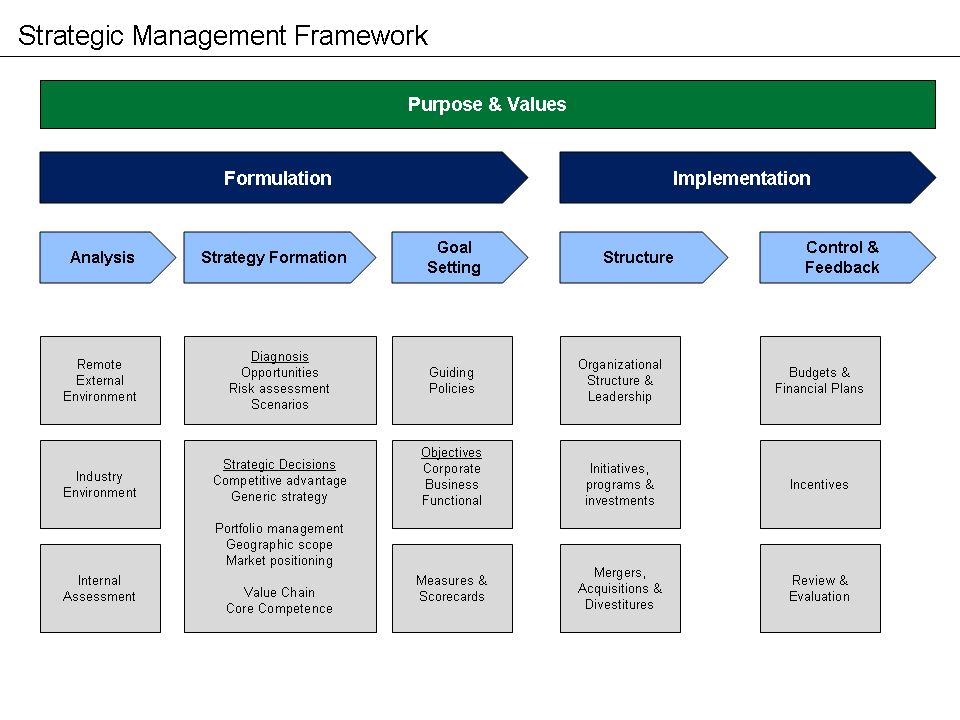
Transitioning to a strategic model isn't abstract; it follows a structured process. This framework helps HR teams identify where the organization is, where it's going, and how to bridge the gap. A key tool in this process is a , which compares the current state of the workforce against the future needs dictated by the business strategy. This analysis pinpoints the specific skills, roles, and competencies that are missing.
The entire strategic HR planning process can be broken down into five distinct steps:
This cycle ensures that HR activities are not random, but are part of a deliberate, measurable plan to help the business win. Each step builds on the last, creating a coherent system that connects people to performance.
Measuring What Matters
The final step, measurement, is what truly separates strategic HR from traditional HR. Success is no longer defined by completing tasks, but by moving the needle on critical business metrics. This is done using (KPIs) that connect HR activities to organizational outcomes.
For example, if the strategy is to improve customer satisfaction, a relevant HR KPI might be the employee engagement score within the customer service team. The logic is straightforward: happier, more engaged employees provide better service, which leads to happier customers. By tracking this KPI, HR can demonstrate a direct, quantifiable contribution to a core business goal.
By adopting this data-driven approach, HR professionals can effectively communicate their value in the language of business leaders, solidifying their role as indispensable strategic partners.
What is the primary focus of Strategic Human Resource Management (SHRM)?
Why is strong business acumen considered essential for a strategic HR partner?