Strategic Foundations of Chess
Opening Principles
The First Ten Moves
The opening is the first phase of a chess game, typically the first 10-15 moves. Your goal isn't to checkmate the opponent immediately, but to set up a strong, flexible position for the middlegame. Think of it like building the foundation of a house. A solid foundation supports a complex structure, while a weak one leads to collapse.
Three core principles guide almost every strong opening: control the centre, develop your pieces, and keep your king safe. Mastering these ideas is far more valuable than memorizing long sequences of moves. They provide a reliable compass to navigate any opening, even ones you've never seen before.
The principles of controlling the center, developing pieces, and ensuring king safety provide a strong foundation that applies across various opening scenarios.
The Battle for the Centre
The four squares in the middle of the board — e4, d5, e5, and d4 — are the most important territory in the opening. Why? Pieces placed in or aimed at the centre control more of the board. A knight on the edge of the board can only attack four squares, but a knight in the centre can attack eight. It has maximum power and flexibility.
Your first moves should almost always involve staking a claim in the centre, usually by moving your e-pawn or d-pawn two squares forward. This opens lines for your bishops and queen and immediately fights for critical space.
Developing Your Army
Once you've made a central pawn move, it's time to bring your pieces into the game. This is called development. The goal is to move your pieces from their starting squares to more active ones where they influence the game. Here are the golden rules:
- Develop your minor pieces first. Knights and bishops should enter the game before your rooks and queen. Knights often develop towards the centre, like to f3 or c3 for White. Bishops are placed on open diagonals where they can slice across the board.
- Don't move the same piece twice. Unless there's a very good reason (like capturing an undefended piece), moving the same piece multiple times in the opening wastes time. Each move is an opportunity, and you want to use each one to improve a different piece. This relates to the concept of tempo — the 'turn' or unit of time in chess.
- Avoid premature queen attacks. Bringing your queen out too early is a common beginner's mistake. While powerful, the queen is also valuable. Your opponent can develop their own pieces by attacking your exposed queen, forcing you to waste moves saving it while they improve their position.
A good rule of thumb: get your knights and bishops out, castle your king, and only then connect your rooks and activate your queen.
King Safety and Gambits
The ultimate goal of chess is to checkmate the king. Leaving your king in the centre of the board during the opening is like leaving your front door wide open. It’s a target. The single most effective way to protect your king is — a special move that tucks the king away behind a wall of pawns and brings a rook into the game.
Generally, you should aim to castle within the first 7-10 moves. The timing is crucial. Castle too late, and your king might get caught in a crossfire. Once your king is safe, you can launch your own attacks with more confidence.
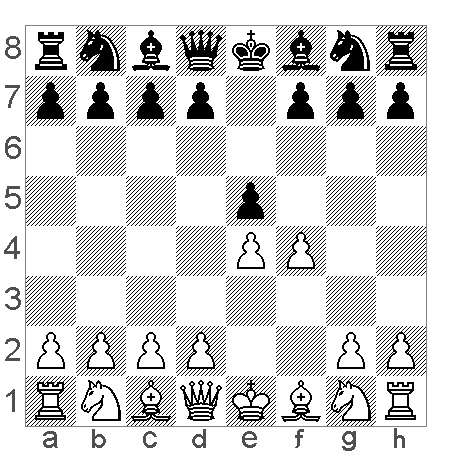
Sometimes, players will intentionally sacrifice material, like a pawn, to gain an advantage in development or space. These are known as gambits. Accepting a gambit can give you an extra pawn, but it might cost you valuable time as your opponent rapidly develops their pieces and launches an attack against your less-developed position.
Ready to test your understanding of these core ideas?
Why is controlling the central squares (e4, d4, e5, d5) considered a primary goal in a chess opening?
According to standard opening principles, which pieces should you typically develop first, after your initial pawn moves?
By applying these principles, you'll consistently reach solid, playable middlegame positions and build a strong foundation for your entire game.