Strategic Event Management for Organizational Change
Event Management Foundations
The Event Lifecycle
Every event, whether it's a small workshop or a massive conference, follows a natural lifecycle. Thinking of it in stages helps keep the process organized and ensures nothing important gets missed. It’s less of a straight line and more of a cycle, where the lessons from one event feed into the next.
1. Conception: This is the idea phase. Why are we holding this event? What do we want to achieve? Here, the core purpose and goals are defined. It’s about asking the big questions before getting lost in the details.
2. Planning: This is the logistical heart of the process. Objectives are turned into a concrete action plan. This stage covers everything: setting a budget, choosing a venue, analyzing stakeholders, and mapping out a marketing strategy.
3. Execution: The plan is put into motion. Contracts are signed, tickets go on sale, and marketing campaigns launch. This phase is all about the detailed work that happens before the event day.
4. The Event: This is showtime. All the planning and execution come together. The focus shifts to managing the live experience, ensuring attendees have a great time, and handling any issues that pop up in real-time.
5. Evaluation: The event is over, but the work isn't. This final stage involves gathering feedback, analyzing what worked and what didn't, and measuring the event's success against the initial goals. This feedback is crucial for improving future events.
Strategic Planning
An event without a clear goal is just a party. A strategic event is a tool an organization uses to achieve a specific outcome, like launching a product, training a team, or strengthening a community. The first step is to define what success looks like.
Event objectives should be clear and measurable. Instead of a vague goal like "increase brand awareness," a strategic objective would be more specific: "Generate 200 qualified leads from new customers" or "Secure media coverage in three major industry publications." This clarity guides every decision that follows.
Every element of the event, from the guest list to the color of the napkins, should support its core objectives. If it doesn't, it's a distraction.
Aligning an event with organizational goals means understanding the bigger picture. If a company's main goal is to expand into a new market, an event could be designed to introduce the brand to key players in that region. If the goal is to improve employee morale, an internal team-building event might be the answer. The event becomes a catalyst for change, not just a standalone activity.
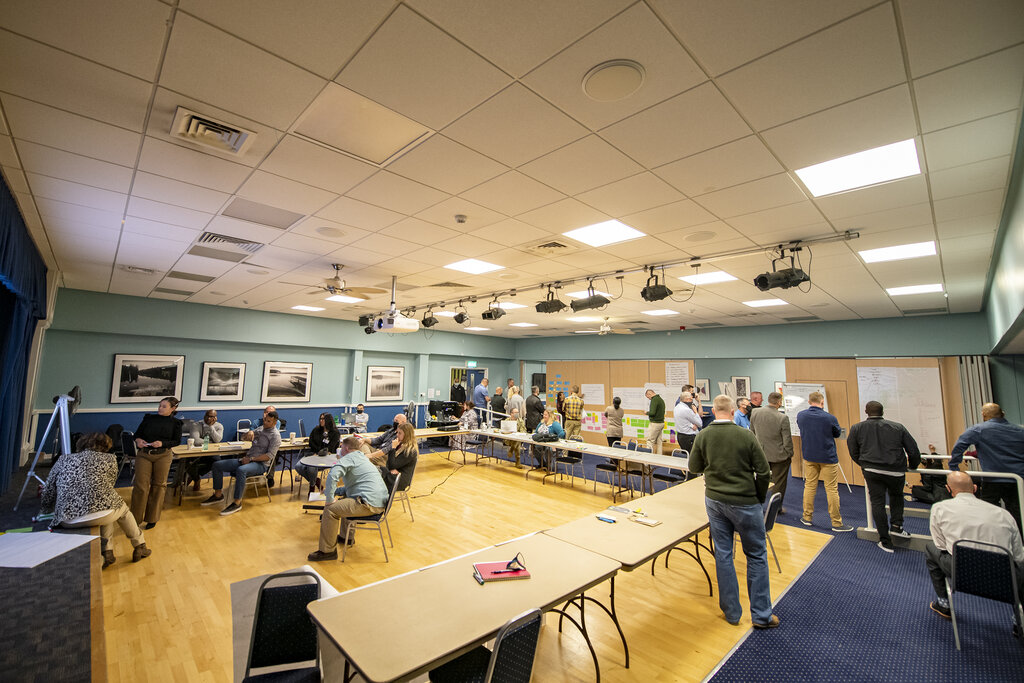
The Three Pillars of Planning
With a strategic direction set, planning focuses on three critical areas: stakeholders, budget, and risks. Getting these right is fundamental to success.
Stakeholder Analysis
Stakeholders are anyone with an interest in your event. Understanding their needs, expectations, and potential influence is crucial. They can be internal, like employees and management, or external, like attendees, sponsors, vendors, and the local community. A good analysis helps you tailor the event to satisfy the most important groups and manage their expectations.
| Stakeholder Group | Key Interest | How to Engage |
|---|---|---|
| Attendees | Value, experience, networking | Surveys, clear communication, engaging content |
| Sponsors | ROI, brand exposure, leads | Custom packages, post-event reports, visibility |
| Staff / Volunteers | Clear roles, organization, appreciation | Training, regular check-ins, recognition |
| Senior Management | Alignment with company goals, budget adherence | Regular updates, clear metrics for success |
Budgeting and Financials
A budget is the financial roadmap for the event. It starts with estimating all potential expenses, from big-ticket items like the venue and catering to smaller costs like printing and permits. On the other side, you map out all potential revenue streams, such as ticket sales, sponsorships, or merchandise.
A detailed budget prevents overspending and helps make informed decisions. For example, if a major expense is higher than expected, you can look for savings elsewhere or seek additional sponsorship.
Risk Management
Things can and do go wrong. Risk management isn't about being pessimistic; it's about being prepared. The process involves identifying potential risks, assessing their likelihood and potential impact, and creating a plan to mitigate them.
Risks can be anything from a keynote speaker canceling to a power outage or a medical emergency. By thinking through these scenarios ahead of time, you can have backup plans ready to go, ensuring the event runs smoothly no matter what happens.
| Risk | Likelihood | Impact | Mitigation Plan |
|---|---|---|---|
| Keynote speaker cancels | Low | High | Have a backup speaker on standby; pre-record a session as a contingency. |
| Wi-Fi failure | Medium | High | Have a dedicated hotspot backup; ensure venue has on-site tech support. |
| Low ticket sales | Medium | Medium | Implement an early-bird discount; increase marketing efforts in the final weeks. |
| Bad weather (outdoor event) | High | High | Secure a tent or indoor backup location; communicate the plan to attendees. |
You are analyzing attendee feedback surveys and sales data to determine if your product launch event met its goal of generating 200 qualified leads. Which stage of the event lifecycle are you in?
Which of the following is the best example of a strategic, measurable event objective?
Thinking through these foundational elements—the lifecycle, strategic goals, stakeholders, budget, and risks—turns event management from a chaotic scramble into a well-oiled process. It's the framework that allows creativity to flourish and ensures every event makes a real impact.