Strategic Education System Improvement
Introduction to Education System Planning
The Blueprint for Learning
An education system isn't just a collection of schools. It's a complex network of students, teachers, resources, and goals. To make it work well for everyone, you need a plan. Education system planning is the process of creating a deliberate, long-term strategy to improve learning outcomes and ensure every student has a fair chance to succeed.
Think of it as the architectural blueprint for a country's entire educational future. It's about deciding where we want to go and mapping out the best way to get there.
Without a solid plan, efforts can be scattered and ineffective. Resources might be wasted, inequalities can grow, and policies may not address the real problems students and teachers face. A good plan brings coherence and purpose, guiding decisions from the national level all the way down to the individual classroom.
Core Components of the Plan
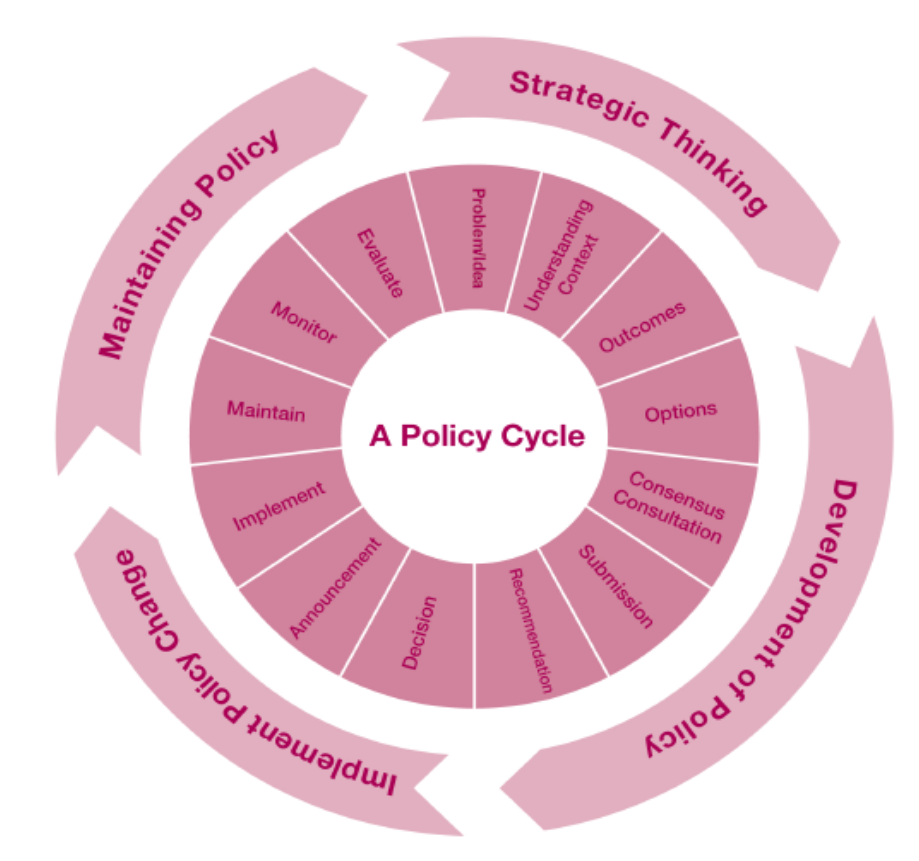
Effective education planning isn't a single action but a continuous process built on four key pillars. Each one informs and supports the others, creating a strong foundation for any educational reform.
1. Data Analysis: This is the starting point. Before you can fix a problem, you need to understand it. Planners gather and analyze data on everything from student enrollment and test scores to teacher qualifications and school infrastructure. This information reveals where the system is strong and where it's falling short.
2. Policy Development: Based on the data, leaders create policies. These are the rules and guidelines that shape the education system. A policy might introduce a new curriculum, change teacher training requirements, or set standards for school safety. The goal is to translate insights from data into actionable change.
3. Resource Allocation: A plan is just a document without the resources to make it happen. This component involves deciding how to distribute funding, personnel, and materials. Should more money go to rural schools? Do we need to hire more science teachers? Smart resource allocation ensures that support goes where it's needed most.
4. Stakeholder Engagement: An education system serves many people: students, parents, teachers, administrators, and the wider community. Stakeholder engagement means involving these groups in the planning process. Their feedback and buy-in are crucial for creating plans that are realistic, relevant, and likely to succeed.
Decisions Driven by Evidence
For a long time, many educational decisions were based on tradition or intuition. Today, the focus has shifted to evidence-based decision-making. This means relying on solid data and research to guide choices rather than guesswork.
Using evidence helps planners answer critical questions with confidence. Is a new teaching method actually improving student learning? Does reducing class size justify the cost? By grounding decisions in facts, education systems can become more effective and accountable.
The first step to using data to better prepare teachers is simply opening the information flow between states and programs.
This approach leads to strategic frameworks for reform. These frameworks are high-level roadmaps that outline a system's priorities and long-term goals. They provide a clear structure for reform efforts, ensuring that individual policies and initiatives all work together toward a common vision, such as improving literacy rates or increasing access to technology.
What is the primary purpose of education system planning?
An education department gathers data on student enrollment, test scores, and teacher qualifications. Which of the four pillars of education planning does this action represent?
By combining careful analysis, inclusive collaboration, and evidence-based strategies, education planning provides the foundation for building a brighter future for all learners.