Strategic Dynamics of the Global Defense Industry
Defense Market Analysis
The One-Customer Market
In most markets, companies compete for the attention of thousands or millions of customers. The defense industry is different. For major weapons systems, there is typically only one buyer: the national government. This market structure is called a monopsony. It fundamentally changes the relationship between buyer and seller.
Monopsony
noun
A market situation in which there is only one buyer for a particular good or service. This gives the buyer significant power to influence prices and terms.
Think of it as the inverse of a monopoly. Instead of one seller, there's one buyer dictating the terms. While multiple companies might compete to build a new fighter jet, they are all competing for a single contract from a single entity. In some cases, where a few allied governments team up for a purchase, the market becomes an oligopsony, with a handful of buyers instead of just one. This concentration of buying power means the government has immense leverage over price, features, and production schedules.

From Headlines to Hardware
The demand in the defense market isn't driven by consumer trends or seasonal cycles. It's driven by geopolitics. A nation's security strategy, its alliances, and its perception of threats directly translate into industrial requirements. Rising tension in a specific region can trigger immediate demand for surveillance drones, while a new treaty might shift focus toward cybersecurity assets. Businesses in this sector must be adept at geopolitical risk assessment, essentially reading the global landscape to anticipate future needs.
Companies must understand how major geopolitical shifts impact revenue to protect themselves from conflict-related risks and disruptions up and down the supply chain.
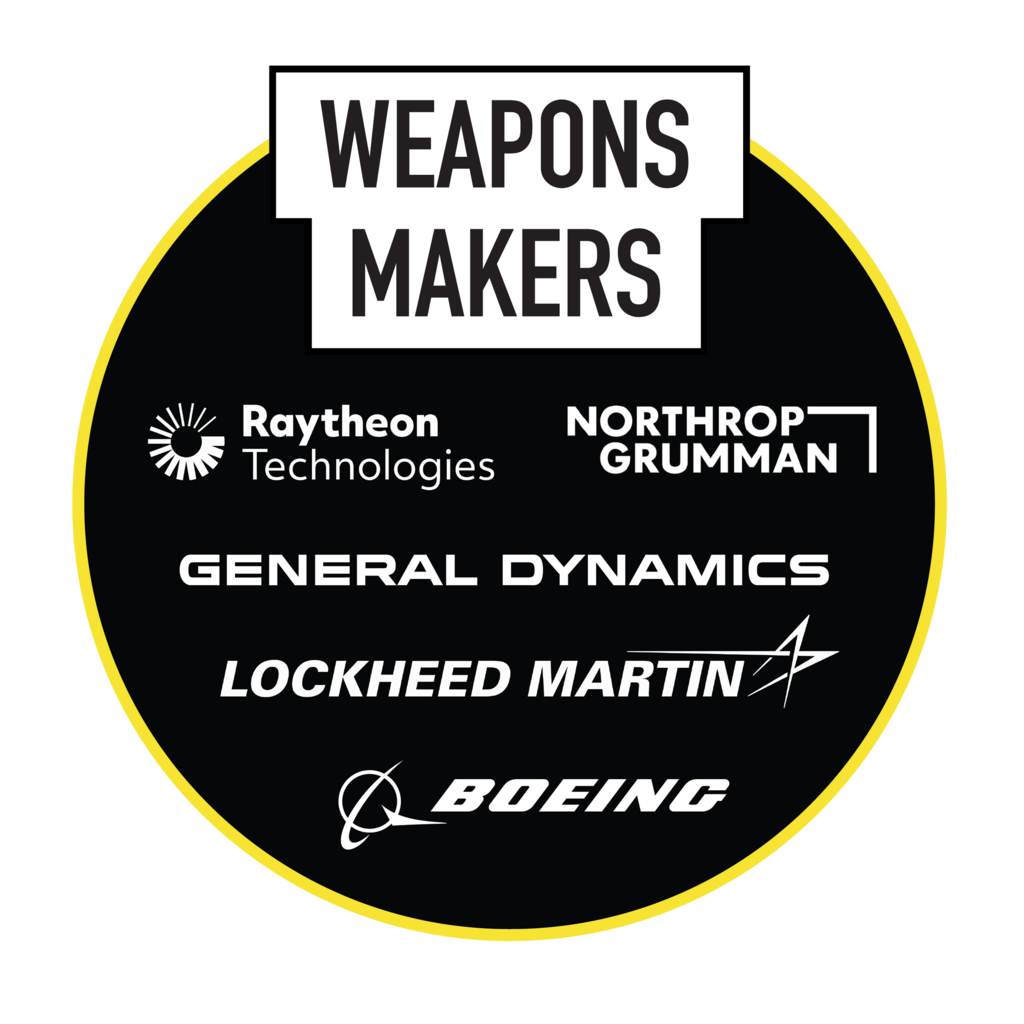
This entire network of companies, from massive prime contractors to tiny specialized suppliers, is known as the (DIB). At the top are the firms often called the ''—household names that build the final products like ships, planes, and tanks. But beneath them are thousands of tier-2 and tier-3 suppliers that provide everything from microchips and ball bearings to software and advanced materials. A disruption at a small, obscure supplier can have cascading effects, delaying an entire multi-billion dollar program.
The Budget Battle
A government's defense budget is a statement of its priorities. A key tension in budget allocation is the trade-off between investing in the future and maintaining the present. Funds are split between sustainment—the money needed to operate, maintain, and upgrade existing (legacy) platforms—and Research, Development, Test, and Evaluation (), which funds the creation of next-generation technology.
This balancing act reveals a country's strategic posture. A heavy investment in RDT&E might signal a focus on countering a technologically advanced adversary in the future. In contrast, high sustainment spending often reflects the costs of ongoing military operations or the burden of maintaining a large, aging fleet of equipment. Analyzing these budgetary trade-offs provides a clear view into the long-term direction of a nation's defense enterprise.
What is the term for a market structure where there is only one buyer, a situation common in the defense industry for major weapons systems?
What is the primary driver of demand in the defense market?
Understanding these unique market forces, from monopsony power to the influence of geopolitics on budgets, is the key to analyzing the complex world of the defense industry.