Strategic Digital Marketing and Performance Growth
Integrated Channel Synergy
Dominating Search Real Estate
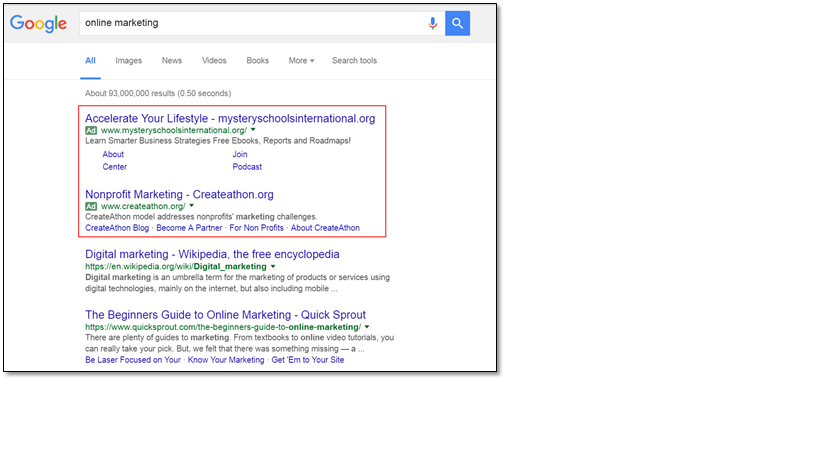
Search Engine Optimisation (SEO) and Pay-Per-Click (PPC) advertising are often treated as separate disciplines, managed by different teams with different goals. SEO is the long game of building organic authority, while PPC offers immediate visibility for a price. But when you run them in isolation, you're leaving a huge opportunity on the table. The goal isn't just to appear on the Search Engine Results Page (SERP); it's to dominate it.
When a user searches for a term and sees your brand in both a paid ad at the top and as a top organic result, it creates a powerful sense of authority and trust. This occupies more screen space, pushing competitors further down the page and significantly increasing the chances that the user's next click belongs to you. You're not just one of the options; you are the option.
The Halo Effect
Running paid ads can directly boost your organic performance. This phenomenon is known as the "halo effect." Even if users don't click your ad, the repeated exposure to your brand name builds recognition. When they then see your brand in the organic listings, they're more likely to click it because it feels familiar and credible. The ad acts as a kind of subconscious endorsement for the organic result.
PPC and SEO can create a powerful full-funnel growth system that builds awareness, captures demand, and drives long-term revenue.
This effect works because of a psychological principle called the mere-exposure effect, which states that people tend to develop a preference for things merely because they are familiar with them. The initial visibility from the ad, even if ignored, warms up the audience for the organic listing that follows. This synergy can lead to a higher organic click-through rate (CTR) than you would achieve with SEO alone.
A Two-Way Street of Data
Perhaps the most powerful reason to integrate SEO and PPC is the data portability between the two. PPC campaigns generate rich, immediate data that can take months or years to gather through organic efforts alone. This allows you to de-risk your long-term SEO strategy.
Think of PPC as your research and development lab. You can test the viability of keywords, ad copy, and landing pages with a small budget. Once you find a winning combination, you can confidently invest the significant time and resources required to build an organic presence around it.
This data flow isn't just one-way. Strong organic rankings can inform your PPC campaigns. If you rank well for a particular topic, you can reduce your PPC bid for those keywords or pause them entirely, reallocating that budget to target keywords where your organic presence is weaker. This creates a dynamic, efficient system where each channel supports the other, maximising your overall return.
Navigating Channel Conflicts
Integrating SEO and PPC isn't without its challenges. One common concern is , where your paid and organic listings compete for the same clicks. If you rank #1 organically for a keyword, paying for an ad on the same term might seem redundant. However, it's often a necessary defensive move. If you don't bid on that keyword, a competitor will. Occupying that top ad spot prevents them from siphoning off your traffic.
Another complexity is attribution. If a user clicks your ad, leaves, and later returns to your site through an organic link to make a purchase, which channel gets the credit? This is where cross-channel attribution models become essential. Instead of a simple "last-click" model, which would credit the organic search, a more sophisticated model (like linear or time-decay) distributes credit across all touchpoints. This gives you a more accurate picture of how SEO and PPC work together to guide a customer's journey.
Ultimately, the debate isn't about choosing between immediate paid wins and long-term organic growth. It's about combining them into a single, cohesive strategy. By sharing data, managing potential conflicts, and understanding their combined impact, you can create a presence on search engines that is far more powerful than the sum of its parts.
What is the primary benefit of running SEO and PPC campaigns concurrently, as described in the text?
The 'halo effect' in digital marketing refers to a phenomenon where...