Strategic Digital Marketing and Omnichannel Mastery
Strategy with RACE
From Tactics to Strategy
Knowing how to run a PPC campaign or post on social media is one thing. Weaving those individual tactics into a cohesive strategy that drives consistent growth is another challenge entirely. Many marketing plans are just a collection of disconnected activities. They might generate some noise, but they lack a clear path from a user's first interaction to their long-term loyalty.
To move beyond a simple checklist of tasks, you need a framework. A reliable system helps you connect every marketing action to a specific business goal, ensuring that your budget and effort are spent where they matter most. It turns multichannel chaos into an integrated, measurable engine for growth.
Architecting with RACE
The RACE framework provides a logical five-stage structure for managing the entire customer lifecycle. It stands for Reach, Act, Convert, and Engage, but it all begins with a critical preliminary stage: Plan. This framework forces you to think about the complete journey, not just isolated touchpoints.
The Critical 'Plan' Stage
Everything starts with a plan. This foundational stage is where you define what success looks like and how you'll measure it. Without clear objectives, your strategy has no direction. We use two key goal-setting models here: SMART goals and OKRs.
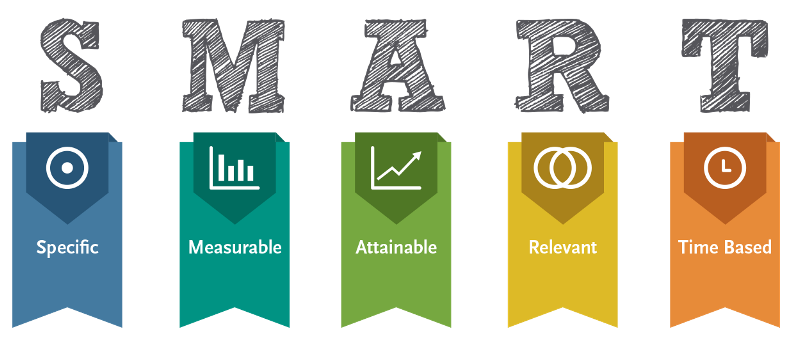
You're likely familiar with SMART (Specific, Measurable, Achievable, Relevant, Time-bound) goals. They are excellent for defining precise, tactical targets. For a higher-level strategic view, we use OKRs (Objectives and Key Results). An Objective is a qualitative, aspirational goal, while Key Results are the quantitative metrics that prove you've achieved it. For example:
- Objective: Become the go-to resource for sustainable home goods in the UK.
- Key Result 1: Increase organic traffic from our 'eco-friendly living' topic cluster by 40% in Q3.
- Key Result 2: Achieve a 5% conversion rate on our 'Beginner's Guide to Zero-Waste' lead magnet.
In 2024-2025, AI tools can supercharge this process. Predictive analytics can help set more realistic Key Results, and AI assistants can help brainstorm ambitious yet achievable Objectives based on market data.
Mapping Tactics to the Funnel
With a plan in place, you can map your marketing activities to the four action stages of RACE. The goal is to move from a siloed, multichannel approach, where each channel operates independently, to an integrated strategy where channels work together to create a seamless user experience.
Here’s how specific tactics fit into each stage:
Reach: This is about building awareness and driving traffic to your digital properties. Key tactics include SEO (specifically building authority through topic clusters), paid media (PPC and social ads), and content amplification. Your goal is to attract new audiences.
Act: 'Act' is short for 'Interact'. Once users arrive, the goal is to get them to take a first step. This isn't a sale yet. It's about persuading them to give you their time or information. Key tools here are compelling landing pages, clear calls-to-action (CTAs), and valuable like e-books or webinars.
Convert: This is where you turn leads into customers. The focus shifts to making the purchase process as smooth as possible. Conversion Rate Optimisation (CRO) is the dominant discipline here, involving A/B testing, checkout process streamlining, and using retargeting ads to bring back users who abandoned their carts.
Engage: The journey doesn't end at the sale. This stage is about building long-term relationships to foster loyalty and repeat business. Tactics include personalised email marketing, building a community on social media or a dedicated platform, and creating loyalty programmes. Happy, engaged customers become your best advocates.
Adapting RACE for B2B vs. B2C
The RACE framework is versatile, but its application differs depending on the business model. The core principles remain the same, but the tactics, timeline, and key metrics change.
| Stage | B2B (Business-to-Business) Focus | B2C (Business-to-Consumer) Focus |
|---|---|---|
| Reach | LinkedIn content, industry reports, SEO for technical terms. | Instagram ads, influencer marketing, SEO for broad consumer queries. |
| Act | Webinar sign-ups, whitepaper downloads, demo requests. | Newsletter subscriptions, quiz completions, adding to wishlist. |
| Convert | Long sales cycle, involving proposals and sales calls. | Short sales cycle, focused on e-commerce checkout and impulse buys. |
| Engage | Account management, case studies, customer user groups. | Loyalty points, exclusive offers, user-generated content campaigns. |
For B2B, the sales cycle is longer and more considered. The 'Act' and 'Convert' stages might stretch over months and involve multiple decision-makers. Content is often more educational and technical. In B2C, the path from discovery to purchase can be much faster, and the 'Engage' stage is crucial for driving repeat purchases in a competitive market.
What is the primary problem that a framework like RACE is designed to solve in marketing?
In the context of OKRs, what is the role of a 'Key Result'?
By structuring your efforts with this framework, you create a marketing operation that is strategic, measurable, and built for the entire customer lifecycle.