Strategic Customer Experience Management
Mapping Strategic Journeys
Beyond the Basic Flowchart
You already know that a customer journey map outlines the steps a person takes when interacting with a company. But its real power isn't just in listing steps; it's in diagnosing the experience. Advanced journey mapping moves beyond a simple flowchart to become a strategic tool. It helps you see the gap between the customer's current reality and the ideal experience you want to create.
A customer journey map tells the story of the customer’s experience: from initial contact, through the process of engagement and into a long-term relationship.
Instead of just documenting a process, you’ll learn to build a high-fidelity picture that reveals not just what customers do, but how they feel. This allows you to find the exact moments where small changes can make a huge difference.
Current State vs. Future State
The first step in strategic mapping is distinguishing between two different views: the current state and the future state.
A Current State Map is a diagnostic tool. It's an honest, unvarnished look at the journey your customers actually experience today. This isn’t based on assumptions. It's built from real data: customer interviews, support tickets, analytics, and direct observation. The goal is to uncover the truth, especially the inconvenient parts—the friction, the confusing steps, and the frustrating dead ends.
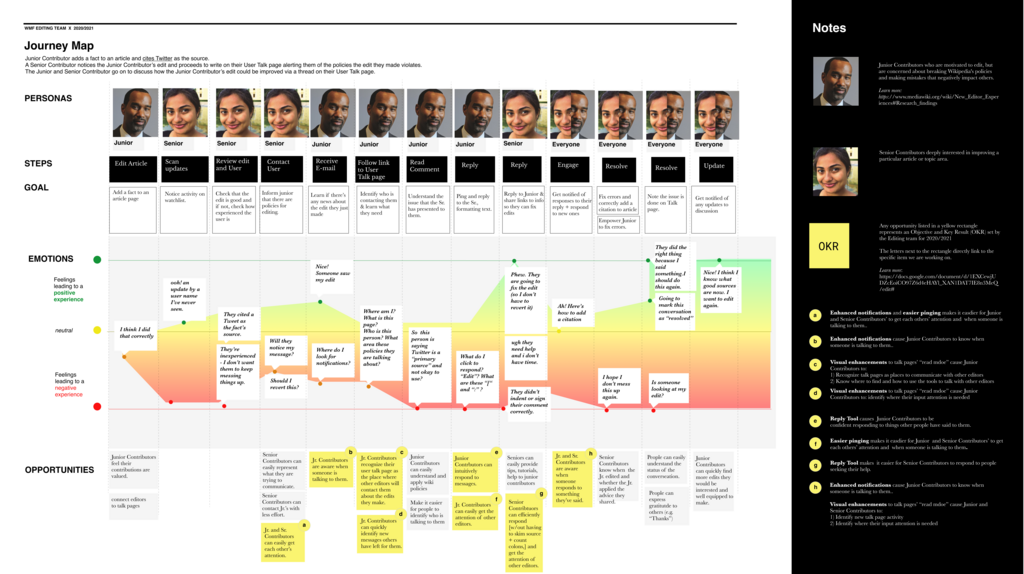
A Future State Map, on the other hand, is a design document for a better world. It’s your blueprint for the ideal customer experience. It directly addresses the problems identified in the current state map, streamlines clunky processes, and imagines new moments of delight. It answers the question, “If we could build the perfect journey, what would it look like?”
Adding Layers of Detail
A truly effective map captures more than just actions. It visualizes the invisible forces that shape the customer's perception. This means paying close attention to micro-interactions and the internal processes that support the journey.
are the small, contained moments of engagement within a larger process. Think of the satisfying animation when you 'like' a post, the clear confirmation message after you submit a form, or the subtle sound effect when you complete a task. While individually small, the quality of these interactions compounds to create the overall feeling of a product. A good journey map identifies these and evaluates whether they are contributing positively or negatively to the experience.
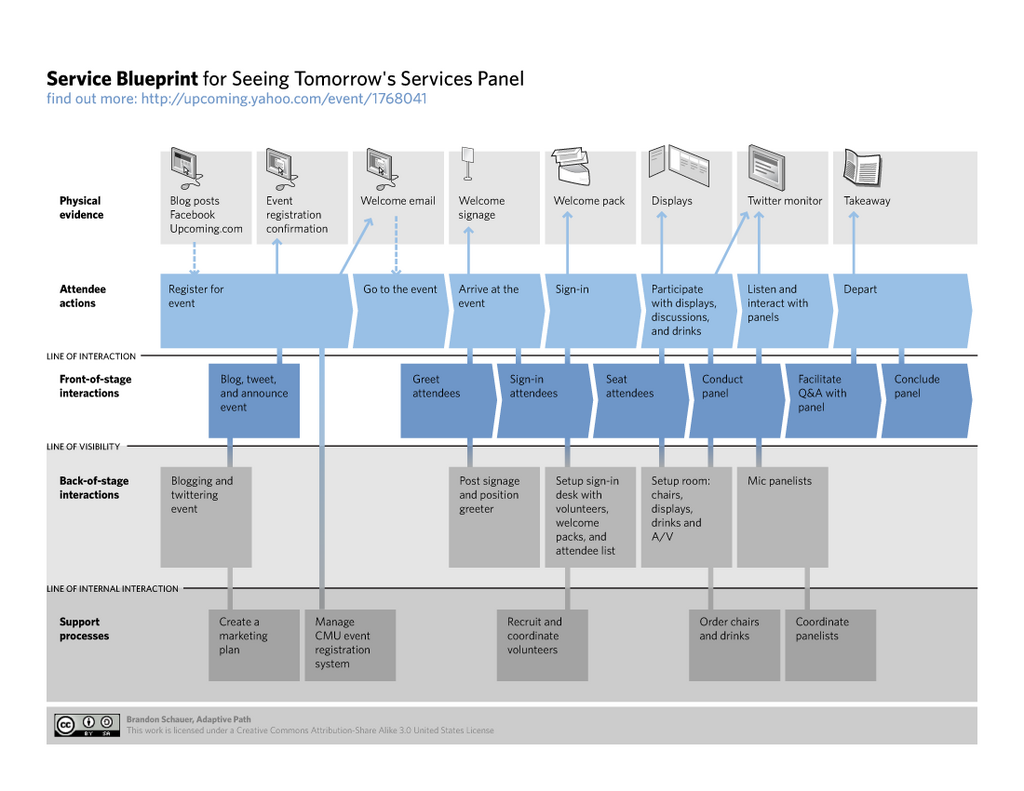
To see the full picture, you need to connect the front-end customer experience with the back-end operational reality. This is where a comes in. It's a diagram that runs parallel to your journey map, showing the internal activities, employee actions, and support systems that are required to deliver each step of the customer journey.
By integrating a service blueprint, you can see how a hiccup in your internal warehouse process (back-end) leads to a shipping delay that frustrates a customer (front-end). It connects the 'what' (the customer's experience) with the 'why' (the company's internal workings).
Analyzing Multichannel Paths
In today's world, customer journeys are rarely linear. A customer might see an ad on social media, browse your website on a laptop, ask a question via a chatbot on their phone, and finally make a purchase in a physical store. This is a multichannel path, and mapping it is crucial for understanding the modern customer experience.
Analyzing these complex paths helps you identify where handoffs between channels are breaking down. Does your website promise something the in-store experience doesn't deliver? Is customer data collected online not available to your support team on the phone?
Mapping these journeys reveals inconsistencies and creates a seamless, unified experience, no matter how the customer chooses to interact with your brand. It's about ensuring the story your brand tells is the same across every platform and every interaction.
By mastering these advanced mapping techniques, you can transform a simple flowchart into a powerful tool for strategic change, ensuring every part of your business is aligned to deliver the best possible customer experience.
What is the primary purpose of a Current State customer journey map?
A company wants to understand why their smooth online ordering process often results in frustrating shipping delays for customers. Which tool is specifically designed to connect the front-end customer experience with the back-end operational reality to find the cause?