Strategic Chess Mastery
Mastering Opening Principles
The First Ten Moves
You know how the pieces move. Now, let’s talk about where they should move. The first handful of moves, called the opening, sets the stage for the entire game. It's not about memorising long sequences, but about achieving three simple goals: control the centre, develop your pieces, and keep your king safe.
The principles of controlling the center, developing pieces, and ensuring king safety provide a strong foundation that applies across various opening scenarios.
Think of it like setting up your pieces for a battle. You want your soldiers on the best hills, ready to act, with your commander protected. Master these three principles, and you'll consistently reach a solid middlegame position, ready to fight.
Control the Centre
The most important territory on the chessboard is the block of four squares in the middle: e4, d5, e5, and d4. Why? A piece in the centre controls more of the board than one on the edge. It can attack and defend in any direction, giving you maximum flexibility.
Your first moves should aim to stake a claim in this area, usually with a pawn. Moves like 1. e4 or 1. d4 are popular for a reason. They immediately occupy a central square and open lines for your queen and a bishop to develop.
Use your pawns to build a foothold in the centre. They are the foundation of your control.
Develop Your Army
Once you have a pawn in the centre, it's time to bring out your other pieces. The rule of thumb is to develop your minor pieces, knights and bishops, first. They are more nimble than the rooks and queen and are essential for controlling key squares and preparing attacks.
A knight on f3, for instance, helps control the central squares d4 and e5. A bishop on c4 puts pressure on black's weak f7 square. The goal is to get these pieces off their starting squares and into the action, pointed towards the centre.
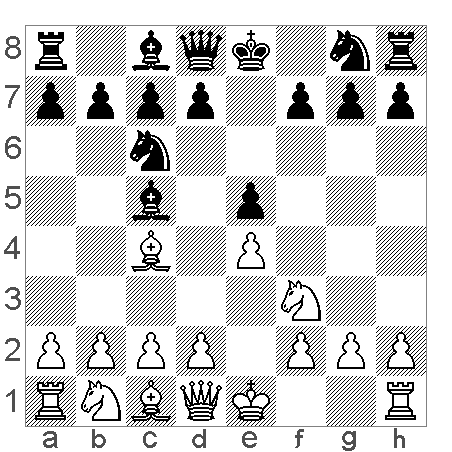
This leads to a crucial concept: in chess. Every move is a turn. Wasting a move gives your opponent a free turn to improve their position. A common mistake for beginners is moving the same piece multiple times in the opening. Why move your knight a second time when you could be developing a bishop that's still on its starting square?
Each move should have a purpose. Develop a new piece. Improve the position of an already developed piece. Fight for the centre. Don't waste time.
King Safety
The final, and perhaps most important, principle is to protect your king. A king stuck in the centre is a vulnerable target. As the board fills up with active pieces, the centre can become a dangerous place. The solution is castling.
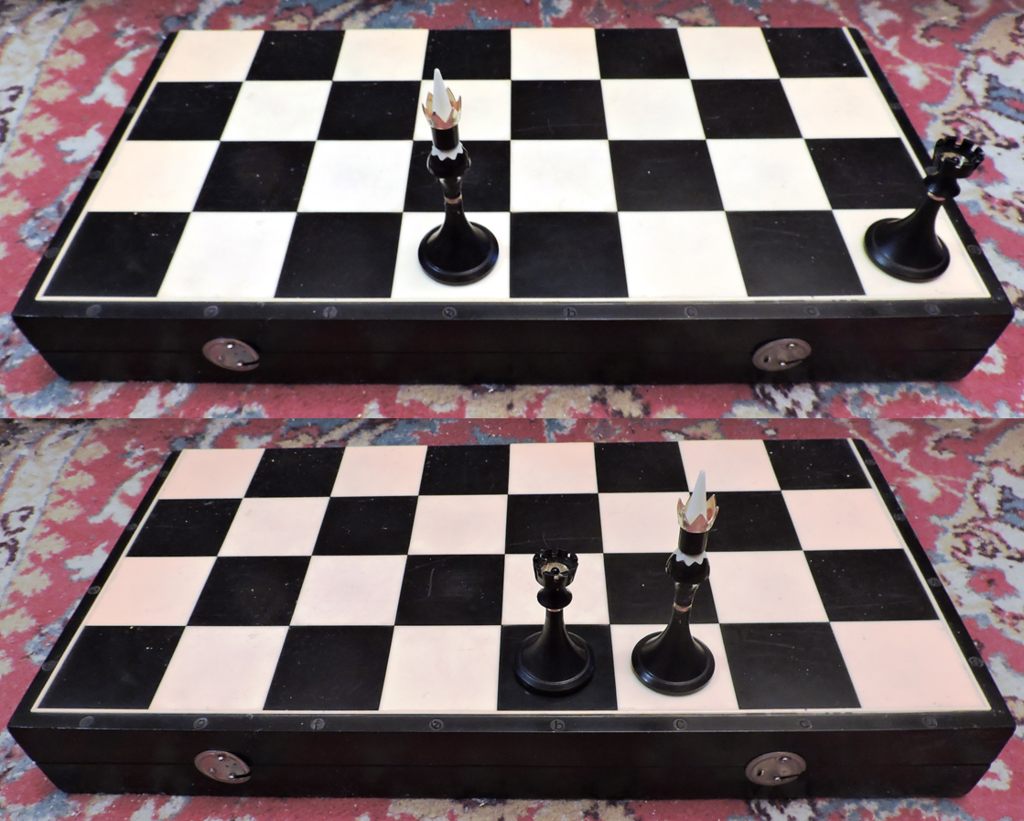
Castling accomplishes two things at once: it moves your king to a safer corner behind a shield of pawns, and it brings a powerful rook into the game. Generally, you should aim to castle within the first 10 moves. Before castling, make sure you haven't moved your king or the rook you intend to castle with, and ensure the squares between them are clear.
By controlling the centre and developing your pieces, you're not just preparing an attack, you're also making it safe to castle. These principles work together to create a balanced, strong position.
What are the three primary goals of a chess opening?
Which of the following best explains why a piece in the centre is more powerful than a piece on the edge?
Stick to these three pillars in your opening, and you'll find yourself reaching better positions and winning more games. Control the centre, develop your pieces, and keep your king safe. It's the foundation of good chess.