Strategic Chess Mastery
Core Tactical Motifs
Forcing the Win
In chess, a tactic is a sequence of moves that limits your opponent's options and results in a tangible gain. Unlike long-term strategy, tactics are immediate and forceful. They often win material, ruin the opponent's position, or lead directly to checkmate. Recognizing these patterns is what separates intermediate players from beginners. It’s about turning a quiet position into a winning one by spotting a hidden opportunity.
Tactics happen in chess when a player makes a maneuver that seizes immediate opportunities, such as material gain or checkmate.
The Pin
A pin is one of the most common tactical motifs. It occurs when an attacking piece prevents an enemy piece from moving because doing so would expose an even more valuable piece behind it. The pinned piece acts like a shield, and its movement is severely restricted.
There are two types of pins. An absolute pin is when the piece behind the pinned piece is the king. Moving the pinned piece is illegal in this case. A relative pin is when the piece behind is valuable, but not the king (like a queen or rook). The opponent can move the pinned piece, but it would cost them the more valuable piece.
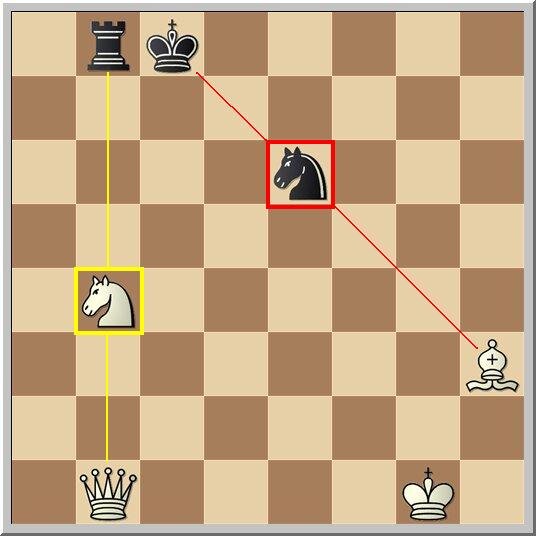
Long-range pieces like rooks, bishops, and queens are the ones that create pins. They can exert pressure from across the board, paralyzing a key defender.
The Skewer
The skewer, also known as an X-ray attack, is the reverse of a pin. In this case, the more valuable piece is in front and is attacked. When it moves out of the way to safety, a less valuable piece behind it is exposed and can be captured.
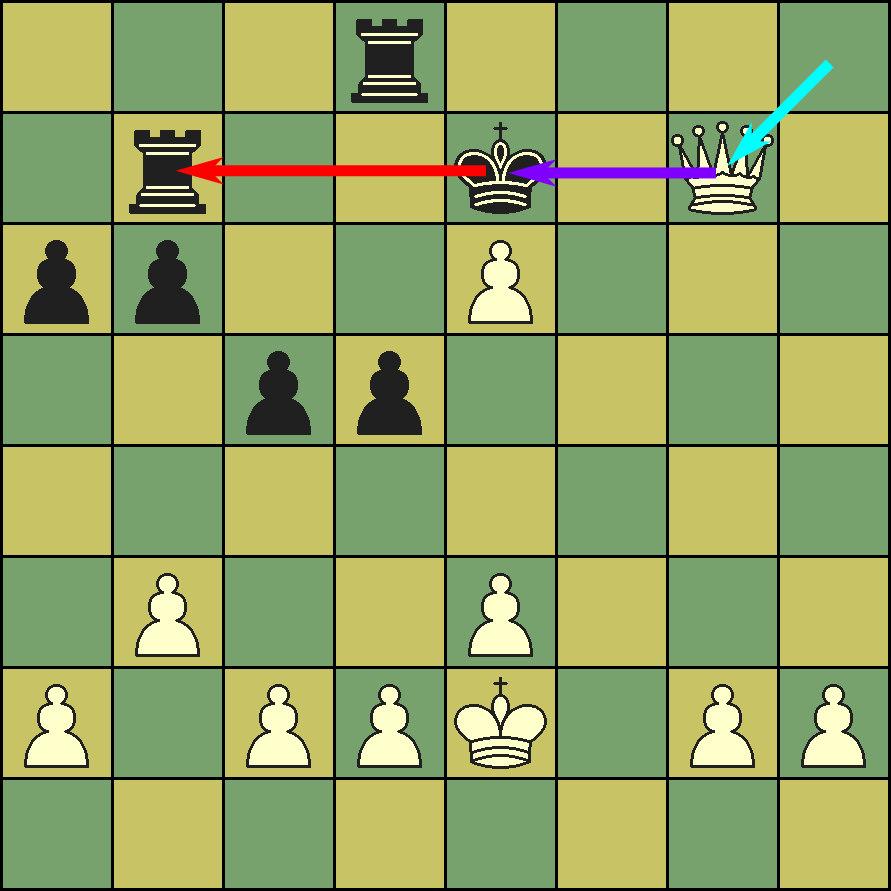
Think of it this way: a pin immobilizes a less valuable piece to threaten a more valuable one. A skewer threatens a more valuable piece to capture a less valuable one.
Like pins, skewers are executed by long-range pieces. They are particularly effective on open files and diagonals where pieces can get lined up. A well-timed skewer can be devastating, often winning material cleanly.
The Fork
A fork is a single piece attacking two or more enemy pieces at the same time. The opponent can usually only save one of their pieces, meaning you will capture the other. While any piece can theoretically perform a fork, the knight is the undisputed master of this tactic.
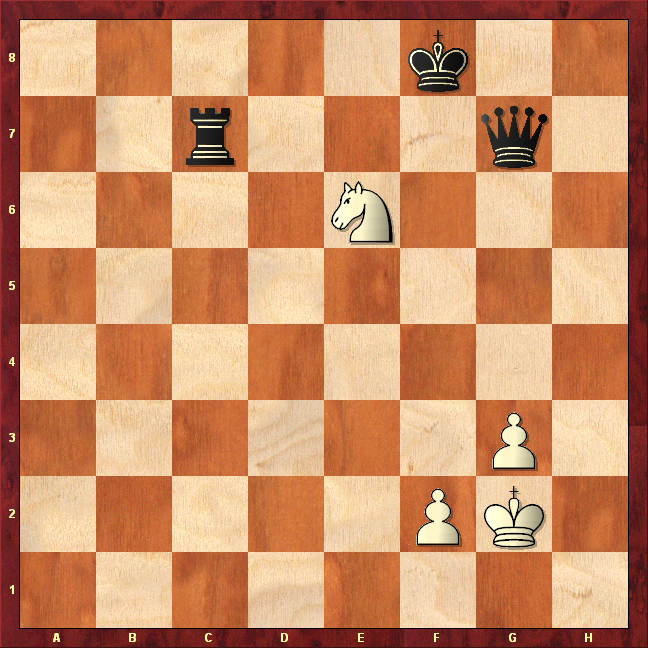
The knight fork is so effective because of the knight's unique L-shaped movement. It can attack pieces without being on the same rank, file, or diagonal, often catching opponents by surprise. Pawns can also be effective forking pieces, especially when they advance into enemy territory and attack two more valuable pieces.
Discovered Attacks
A discovered attack is a hidden threat revealed when one piece moves out of the way. You move a piece, and it unmasks an attack from a second piece behind it. It’s like a tactical ambush. The power of a discovered attack is that you get two moves in one: the piece that moves can create a threat of its own, while the piece it unmasks creates a second, often more serious, threat.
The most powerful form of this is the s. This occurs when the piece that moves gives check, and the piece it unmasks also gives check. A double check is incredibly dangerous because the king must move. It's impossible to block both checks or capture both attacking pieces in a single move. This often leads directly to checkmate or a massive gain of material.
Ready to test your tactical vision? See if you can spot these patterns in action.
What is the primary goal of a chess tactic?
A situation where a piece cannot legally move because it would expose its own king to a direct attack is known as a(n)...
Mastering these core motifs is the first step toward seeing the board differently. Instead of just seeing individual pieces, you'll start to see patterns, threats, and opportunities. Every move can become a potential setup for a game-winning combination.