Strategic Account Management for Learning Development Leaders
Introduction to Strategic Account Management
What is Strategic Account Management?
Strategic Account Management, or SAM, is a long-term approach to building relationships with your most important customers. Instead of treating them as one-off buyers, you treat them as partners. The goal is to move beyond simply selling a product and instead become an indispensable part of their success.
Think of it this way: traditional sales is like dating, focused on the next meeting. Strategic account management is like a marriage, focused on building a lasting, mutually beneficial future.
This partnership approach helps businesses understand their key clients on a deeper level. By aligning your goals with theirs, you can create value that goes far beyond your core offering. This deep integration makes the relationship more profitable and much harder for competitors to disrupt.
More Than Just Sales
The mindset of a strategic account manager is fundamentally different from that of a traditional salesperson. The focus shifts from closing a single deal to cultivating the long-term health of the entire relationship.
| Feature | Traditional Sales | Strategic Account Management |
|---|---|---|
| Focus | Transactional; closing the current deal | Relational; long-term client success |
| Time Horizon | Short-term; monthly or quarterly quotas | Long-term; multi-year growth |
| Primary Goal | Maximize revenue from a single sale | Maximize lifetime value of the account |
| Key Metric | Sales volume and deal size | Customer retention, loyalty, and profitability |
This shift requires a different set of activities. Instead of just pitching products, a strategic account manager collaborates with the client on business planning, identifies future needs, and coordinates internal resources to meet those needs proactively.
The Strategic Account Manager
A Strategic Account Manager (SAM) acts as the primary link between their company and the client. They are essentially the CEO of the client relationship, responsible for its overall health and growth.
To succeed, a SAM needs a unique blend of skills:
- Leadership: They must lead and coordinate a wide range of internal teams, from product development to customer support, to ensure the client receives seamless value. This often means influencing people without having direct authority over them.
- Communication: They need to be expert listeners to truly understand the client's business challenges and goals. They must also clearly articulate value and manage expectations across all levels of both organizations.
- Analytical Abilities: SAMs use data to identify trends, uncover new opportunities within an account, and demonstrate the financial impact of their partnership. They need a strong grasp of the client's business model and their own company's finances.
This role is not about being a passive point of contact. It's about actively driving the relationship forward and ensuring the client sees the company as a true strategic partner.
Why Bother with SAM?
Implementing a SAM program requires significant investment, but the benefits are substantial. For many companies, a small number of key accounts drive a disproportionately large share of revenue. Nurturing these accounts is critical for sustainable success.
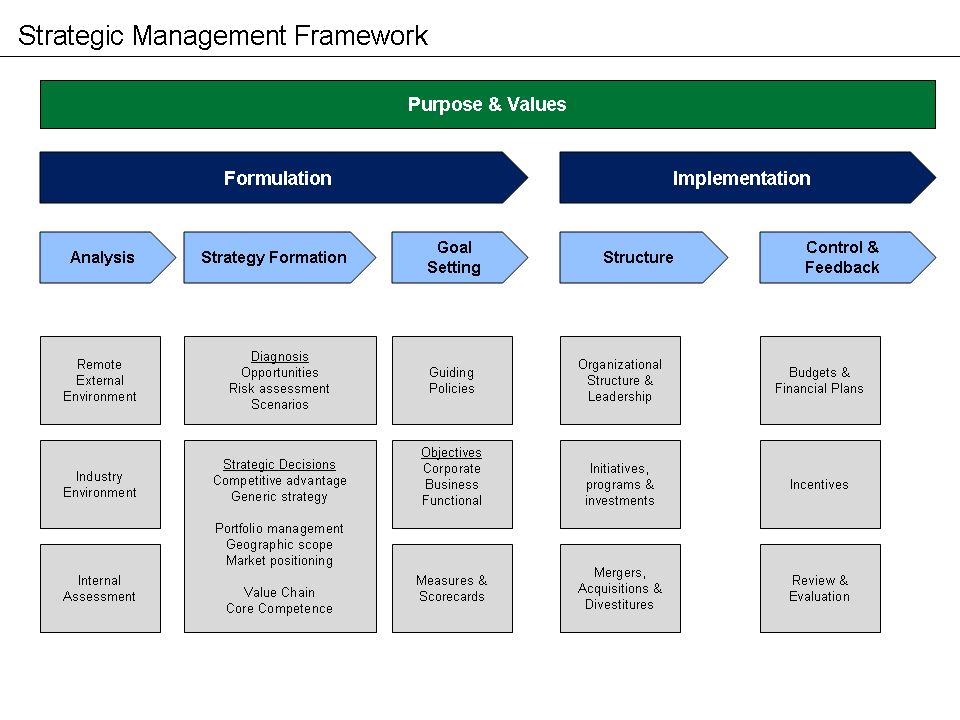
Key benefits include:
- Increased Customer Loyalty: When clients view you as a strategic partner, they are far less likely to switch to a competitor, even for a lower price. This deep-seated loyalty leads to higher customer retention rates.
- Sustainable Revenue Growth: Deep relationships uncover new opportunities. By understanding a client's long-term plans, you can anticipate their needs and proactively offer solutions, leading to upselling and cross-selling that feels natural, not forced.
- Competitive Advantage: A strong SAM program creates a powerful barrier to entry for competitors. The trust and institutional knowledge built over years cannot be easily replicated, making your position as a preferred partner secure.
Develop account management processes that ensure regular communication with key customers, proactive problem resolution, and continuous value-added service offerings.
Now, let's review the core concepts we've covered.
Ready to test your knowledge? Let's see what you've learned.
What is the primary goal of Strategic Account Management (SAM)?
The mindset of a Strategic Account Manager shifts the focus from closing a single deal to what?
By focusing on partnership over transactions, strategic account management builds a powerful foundation for long-term growth and customer success.