Stopping Your Dog From Eating Poop
Understanding Coprophagia
An Unappetizing Habit
It can be alarming to see your dog eat feces. This behavior, while unpleasant to us, isn't as strange as it might seem in the canine world. It even has a scientific name.
Coprophagia
noun
The act of eating feces. The word comes from the Greek words copros, meaning 'feces,' and phagein, meaning 'to eat.'
Studies show that about one in six dogs regularly engages in coprophagia. The habit is more common in puppies, who often grow out of it as they explore the world and learn what is and isn't food. It's also seen more frequently in multi-dog households.
For mother dogs, cleaning up after their puppies by ingesting their waste is a natural instinct. It keeps the den clean and safe from predators that might be attracted by the scent. Puppies may sometimes mimic this behavior.
Why Do They Do It?
There isn't a single reason why dogs eat stool. The cause can usually be traced back to one of three areas: behavior, health, or their environment.
Understanding the root cause is the first step. Is the dog bored? Stressed? Or is there an underlying medical issue?
Behavioral reasons are common. A dog might eat feces out of boredom if it's left alone for long periods without enough stimulation. It can also be a way to get attention, even if that attention is negative. In some cases, dogs that are harshly punished for house-soiling accidents may eat the evidence to avoid getting in trouble.
Stress and anxiety can also trigger coprophagia. A dog living in a stressful environment might develop compulsive behaviors as a coping mechanism.
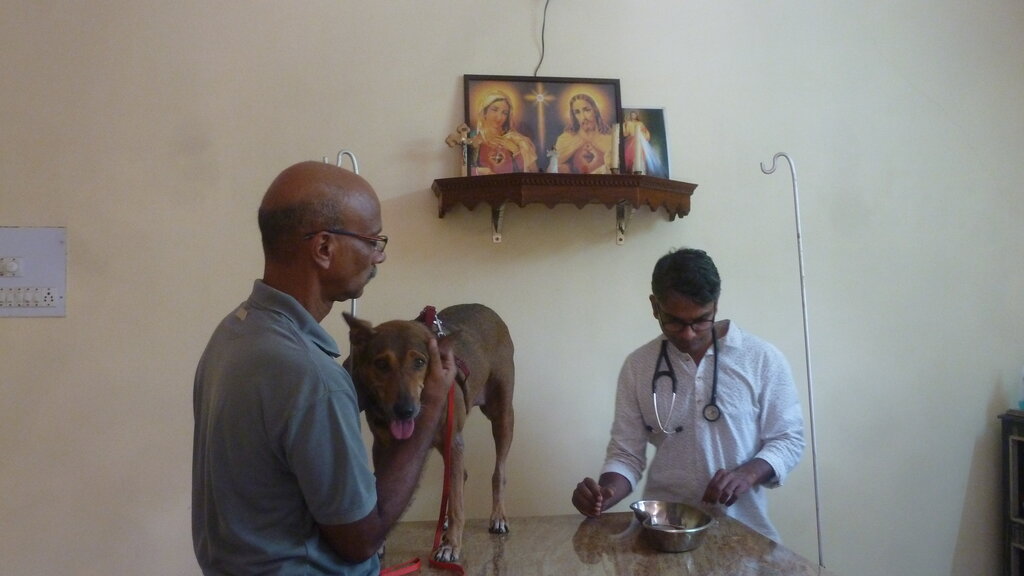
Sometimes, the cause is medical. Certain health conditions can lead to poor nutrient absorption or an increased appetite, causing a dog to seek out nutrients from any available source, including stool. If the behavior starts suddenly in an adult dog, it’s a good idea to consult a veterinarian to rule out any health problems.
Finally, environmental factors play a role. A dog that lives in a confined or unclean space is more likely to engage in this behavior. Simply having easy access to feces in the yard or on walks can be enough to start the habit.