Stop Dog Coprophagia
Understanding Coprophagia
The Scoop on Stool Eating
It can be alarming and frankly, pretty gross, to see your dog eat feces. This behavior, known as coprophagia, is surprisingly common, especially in puppies. While it's often just a strange habit, it can sometimes signal deeper medical or behavioral issues.
Coprophagia
noun
The technical term for the act of eating feces. It is derived from the Greek words "copros," meaning feces, and "phagein," meaning to eat.
Coprophagia—the consumption of feces—is a common yet often baffling behavior in dogs.
Dogs might eat their own stool, the stool of other dogs, or even that of other animals like cats or deer. Understanding why they do it is the first step to addressing the behavior. The causes generally fall into two categories: medical and behavioral.
Medical Mysteries
Before assuming it's just a bad habit, it's important to rule out underlying health problems. Certain medical conditions can trigger coprophagia. One major category is malabsorption syndromes. These are conditions where a dog's digestive system can't properly absorb nutrients from its food.
When a dog isn't getting the nutrients it needs, it might seek them out elsewhere. Conditions like Exocrine Pancreatic Insufficiency (EPI) prevent the pancreas from producing enough digestive enzymes. Without these enzymes, food passes through the system largely undigested, and the dog may eat its nutrient-rich stool to try to get more value from it.
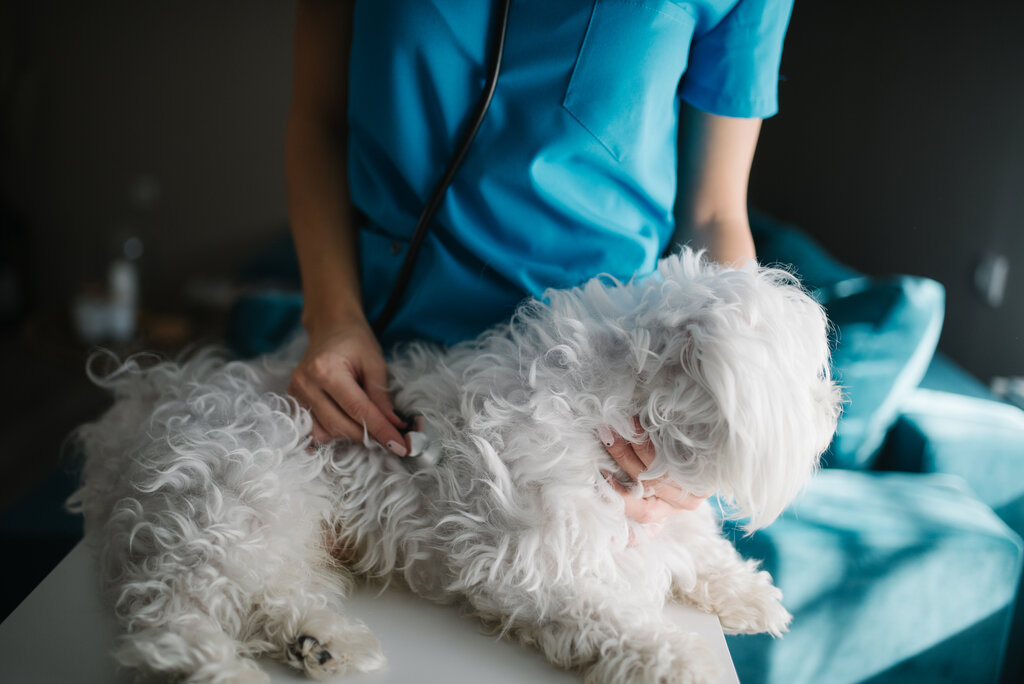
Other issues, like parasites or diseases that increase appetite (such as diabetes or thyroid problems), can also lead to this behavior. If your adult dog suddenly starts eating stool, a visit to the veterinarian is a wise first step.
Behavioral Roots
If a medical cause is ruled out, the reason for stool eating is likely behavioral. For young puppies, it's often a part of exploring the world. They use their mouths to learn, and sometimes that includes tasting things they shouldn't. Most puppies grow out of this phase.
In other cases, the behavior is learned or reinforced. A dog living in a stressful environment might develop coprophagia as a self-soothing mechanism, similar to how a person might bite their nails. This can be triggered by anxiety from being left alone for long periods or living in a restrictive space.
Sometimes, the cause is us. If an owner reacts strongly to catching their dog eating stool, the dog might learn that this is a great way to get attention. For a dog, even a negative reaction is a form of engagement.
A bored dog is a mischievous dog. Without enough mental or physical stimulation, some dogs will resort to eating stool simply out of a lack of anything better to do.
Associated Health Risks
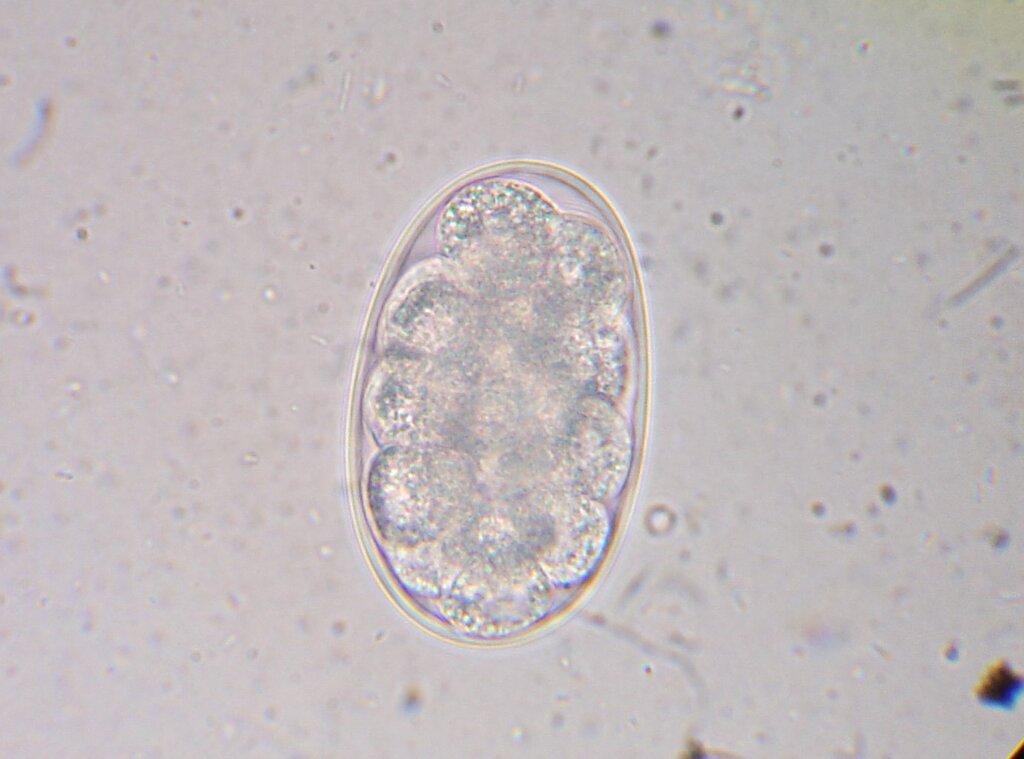
While often harmless, especially if a dog only eats its own stool, coprophagia is not without risks. The primary concern is the transmission of parasites. When a dog eats the feces of another infected animal, it can ingest intestinal parasite eggs, like roundworms, hookworms, or whipworms.
These parasites can then hatch and establish an infection in the new host, leading to digestive upset, weight loss, and other health problems.
Bacteria are another risk. Stool can contain harmful bacteria like E. coli, Salmonella, and Campylobacter. Ingesting these can cause gastrointestinal infections, leading to symptoms like diarrhea, vomiting, and fever.
By understanding the potential causes and risks, you can better approach this common but concerning canine behavior.
Ready to check your understanding?
What is the scientific term for the behavior of eating feces?
If a healthy adult dog suddenly starts eating stool, the first recommended step is to consult a veterinarian.
Recognizing the difference between a simple behavioral quirk and a potential medical red flag is key to ensuring your dog's health and well-being.