Stop Dog Chewing
Understanding Destructive Chewing
The Mystery of the Chewed-Up Shoe
You come home to find your favorite sneakers in shreds. Or maybe the corner of the sofa has been mysteriously gnawed on. When a dog chews on things they shouldn't, we call it destructive chewing. But it's important to remember that chewing itself is a perfectly normal, healthy behavior for dogs. They use their mouths to explore the world, relieve stress, and keep their jaws strong.
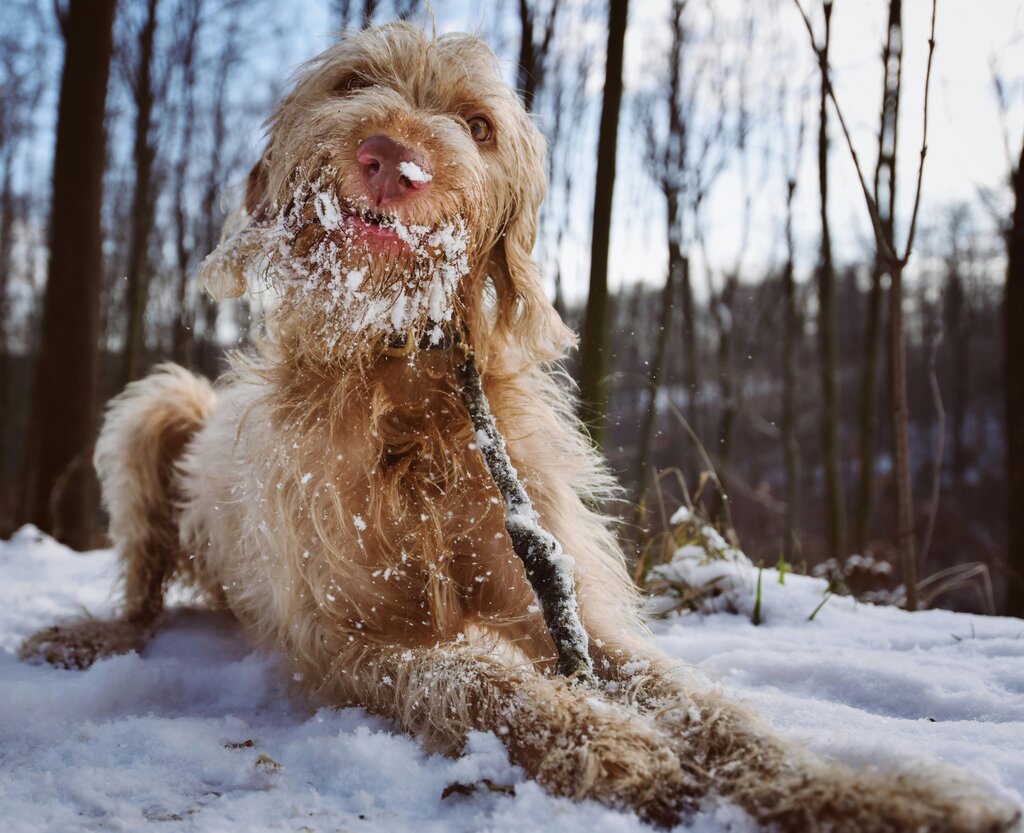
The trouble starts when their chewing is directed at inappropriate items. This can be especially puzzling when your dog is around one year old. They're not a tiny puppy anymore, so what's going on? The answer isn't always simple. Destructive chewing isn't a sign of a 'bad dog'; it's a symptom of an underlying need that isn't being met. Figuring out that need is the key.
The Usual Suspects
There are a few common culprits behind a one-year-old's sudden urge to chew everything in sight.
One of the biggest is boredom. Young dogs have a ton of energy. If they don't get enough physical exercise and mental stimulation, they'll invent their own fun. Unfortunately, their idea of a good time might involve redecorating your living room with their teeth. A tired dog is a happy dog, and often, a less destructive one.
Anxiety is another major factor. Some dogs get very stressed when left alone, a condition known as separation anxiety. For them, chewing can be a self-soothing activity. It's a way to cope with their panic and loneliness.
Constant barking, chewed-up furniture, scratched doors: If you’ve ever lived with a dog with separation anxiety, all of these scenarios may be woefully familiar.
What about teething? Most people associate teething with young puppies, and for the most part, that's correct. A one-year-old dog has all of its adult teeth. However, some dogs may still experience discomfort as those adult teeth fully set in their jaws. This can trigger a renewed desire to chew to relieve the pressure.
Finally, the cause could be a simple lack of training. If a dog was never clearly and consistently taught the difference between their toys and your belongings, they simply don't know the rules. A shoe seems just as fun to chew as a rubber bone if no one has told them otherwise.
Getting to the Root of It
Identifying the 'why' behind the chewing is the most critical step. Is your dog chewing mostly when you're gone? It could be separation anxiety. Do they do it in the evening after a lazy day? Boredom is a likely candidate. Does it happen right in front of you, as they grab a slipper and run? That might be a training issue or a plea for attention.
Observing the pattern of the behavior will give you the clues you need. You can't solve boredom-induced chewing with the same approach you'd use for anxiety. Each cause requires a different solution.
Figuring out the 'why' behind the chew is the first step to fixing the 'what'.
Once you have a better idea of the cause, you can start to address it. Acknowledging that chewing is a natural instinct is part of the solution. The goal isn't to stop the chewing altogether, but to guide it toward appropriate outlets.
Now that you can spot the potential reasons for your dog's chewing, let's test your knowledge.
According to the text, what is the most critical first step in addressing a dog's destructive chewing?
A one-year-old dog with all its adult teeth might still chew to relieve discomfort from those teeth setting in its jaw.