Stoicism Modern Applications
Stoic Schools
The Evolution of Stoic Thought
Stoicism wasn't born fully formed. It was a living philosophy that grew and adapted over nearly 500 years, spanning from its Greek origins to its peak in the Roman Empire. Think of it not as a single, rigid doctrine, but as a conversation across centuries.
This long history is typically divided into three phases: Early, Middle, and Late Stoicism. Each period had its own focus and key thinkers who shaped the philosophy into the practical system we know today.
Early Stoicism The Foundation
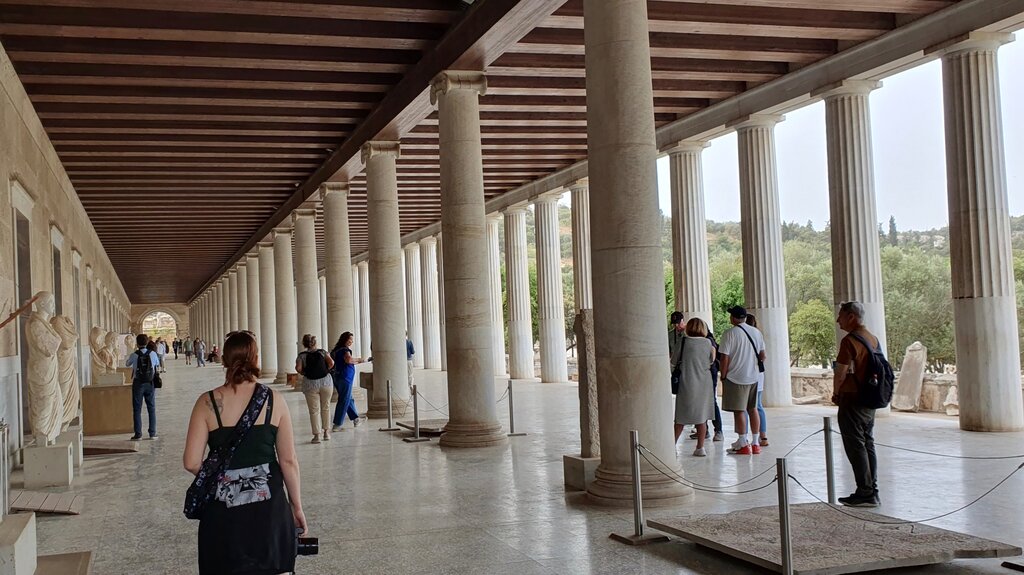
The story begins around 300 BCE in Athens with Zeno of Citium. After losing his fortune in a shipwreck, he discovered philosophy and began teaching in the Stoa Poikile, or “painted porch,” which gave the school its name. Zeno and his successors were architects, building the fundamental structure of Stoicism.
They divided the philosophy into three parts: Logic, Physics (natural science and metaphysics), and Ethics. For them, these weren't separate subjects. Logic taught you how to think clearly, Physics explained the rational order of the universe (the logos), and Ethics showed you how to live in harmony with that order. The goal was to live a virtuous life, which they saw as the only true good.
Zeno’s successor was Cleanthes, known for his famous Hymn to Zeus. But it was the third head of the school, Chrysippus, who truly systematized Stoicism. He was a brilliant logician and a prolific writer, credited with writing over 700 works. Though almost all of these original texts are lost, his work was so foundational that later Romans would say, “If Chrysippus had not existed, the Stoa would not have existed.”
This early period was rigorous and academic. The philosophers debated fiercely with other schools like the Epicureans and the Skeptics, building a comprehensive system to explain the world and our place in it.
Middle Stoicism Bridging Greece and Rome
As Rome’s influence grew, Stoicism began to travel. The Middle Stoa, starting around the 2nd century BCE, marks this transition. The key figures here were Panaetius and his student Posidonius. They acted as cultural translators, adapting the philosophy for a new audience: the practical, ambitious Roman aristocracy.
Panaetius softened some of the school's harsher doctrines. He made the ideal of the Stoic sage—a perfectly virtuous and wise human—seem more achievable for public figures navigating the complexities of politics and leadership. He shifted the focus from abstract logic towards civic duty and appropriate action, which resonated deeply with Roman values.
Posidonius was a polymath with wide-ranging interests in history, geography, and science. He integrated this knowledge into Stoic physics, connecting the philosophy to the natural world in new ways. Thanks to these thinkers, Stoicism became less of a purely theoretical system and more of a practical guide for statesmen and citizens.
Late Stoicism Philosophy for Life
The final phase, known as Late or Roman Stoicism, is where the philosophy truly became a manual for living. This is the period we have the most complete writings from, and they focus almost exclusively on practical ethics. The complex logical and physical theories of the Early Stoa fade into the background, used mainly to support the ethical teachings.
The three towering figures of this era came from remarkably different walks of life, showing Stoicism's universal appeal.
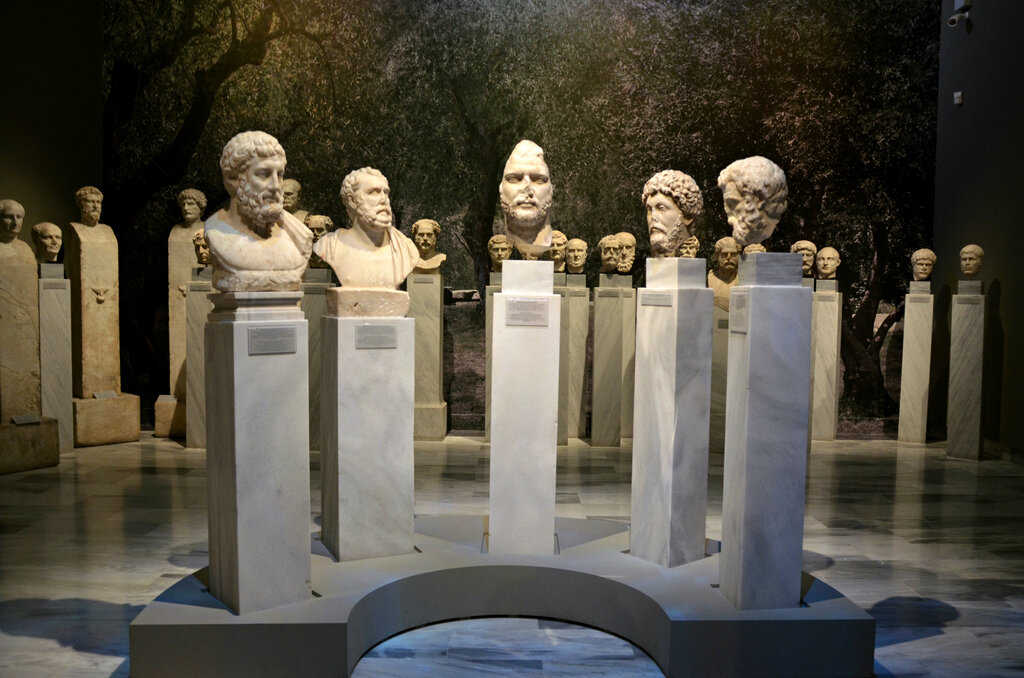
Seneca the Younger was a wealthy statesman, a tutor to Emperor Nero, and a playwright. His writings, mostly letters and essays, are personal and pragmatic. He offers advice on managing anger, coping with grief, the proper use of wealth, and how to face mortality. He shows how a powerful man struggled to apply Stoic principles amid the chaos of the Roman court.
Epictetus began life as a slave. After gaining his freedom, he became a renowned teacher. His teachings, recorded by his student Arrian in the Discourses and the Enchiridion (or “Handbook”), are direct and uncompromising. He relentlessly drills the core of Stoicism: focus only on what is within your control—your thoughts, judgments, and actions—and accept everything else with tranquility.
Marcus Aurelius, the last of the
good emperors,
was arguably the most powerful man in the world. His book, Meditations, was never meant for publication. It was his private journal, a series of notes to himself on how to apply Stoic philosophy to the immense pressures of war, plague, and imperial responsibility. It provides a raw, honest look at the inner life of a Stoic in action.
These three writers secured Stoicism's legacy. They transformed it from an academic system into a timeless guide for anyone seeking resilience, purpose, and inner peace, regardless of their station in life.
Ready to test your knowledge on the evolution of Stoicism?
Who is credited with founding Stoicism and teaching in the "Stoa Poikile" or "painted porch"?
The writings from the Late or Roman Stoic period, such as those by Seneca and Epictetus, primarily focus on which aspect of the philosophy?
From its theoretical foundations in a painted porch in Athens to the private journal of a Roman emperor, Stoicism's journey shows its remarkable adaptability. The core ideas remained, but each generation found new ways to apply them to the challenges of their time.