Stoic Sympatheia
Introduction to Stoicism
What is Stoicism?
Around 300 BC, a merchant named Zeno of Citium was shipwrecked near Athens. He lost everything. Wandering into a bookshop, he became fascinated by the teachings of Socrates and began studying philosophy. He eventually started teaching his own ideas, not in a grand hall, but from a public porch called the Stoa Poikile, or 'painted porch.' This is where Stoicism gets its name.

Stoicism is a Hellenistic school of philosophy with a very practical goal: to help people live a good, happy, and meaningful life. The Stoics believed that the world can be unpredictable and chaotic, but our minds don't have to be. The key is to focus our energy on what we can control—our own thoughts, judgments, and actions—and to accept what we can't.
The Good Life
The ultimate goal for a Stoic is to achieve eudaimonia. This Greek word is often translated as 'happiness,' but a better meaning is 'flourishing' or 'living a well-lived life.' It's a state of deep contentment that comes from living virtuously and in harmony with nature.
eudaimonia
noun
A Greek term for a state of human flourishing or living well. It represents the highest good in life.
How do we achieve this? The Stoics had a radical idea: the only true good is virtue. Things like wealth, health, and reputation are not inherently good or bad. They called them 'indifferents.' These things are not unimportant, but their value comes from how we use them. Money can be used wisely or foolishly. Health can be used to help others or for selfish pursuits. The external things are just the material we have to work with; virtue is the skill of using them well.
By focusing on what they could control, Stoics aimed to cultivate inner peace and avoid getting swept away by external circumstances.
The Four Virtues
To live a life of eudaimonia, the Stoics practiced four cardinal virtues. These are not abstract ideals but practical guides for everyday behavior. Think of them as a compass for navigating life's challenges.
| Virtue | Description |
|---|---|
| Wisdom (Prudence) | The ability to distinguish between what is good, bad, and indifferent. It's about making sound judgments and navigating complex situations with clarity. |
| Justice | Treating others with fairness, respect, and kindness. It involves fulfilling our duties to our family, community, and humanity as a whole. |
| Courage (Fortitude) | Facing difficulties, fear, and pain with resilience and integrity. It’s not the absence of fear, but acting rightly despite it. |
| Temperance | Practicing self-control, moderation, and balance. It's about mastering our desires and avoiding excess in all things. |
These virtues are interconnected. You can't truly have one without the others. For example, acting justly requires the wisdom to know what is fair and the courage to do it, even when it's hard.
Reason and Nature
A central idea in Stoicism is to 'live in accordance with nature.' This doesn't mean moving to the woods. It has a twofold meaning.
First, it means living according to our own human nature, which for the Stoics is our capacity for reason. Reason is our greatest tool. It allows us to understand the world, make good decisions, and act virtuously. By using reason, we fulfill our unique potential as human beings.
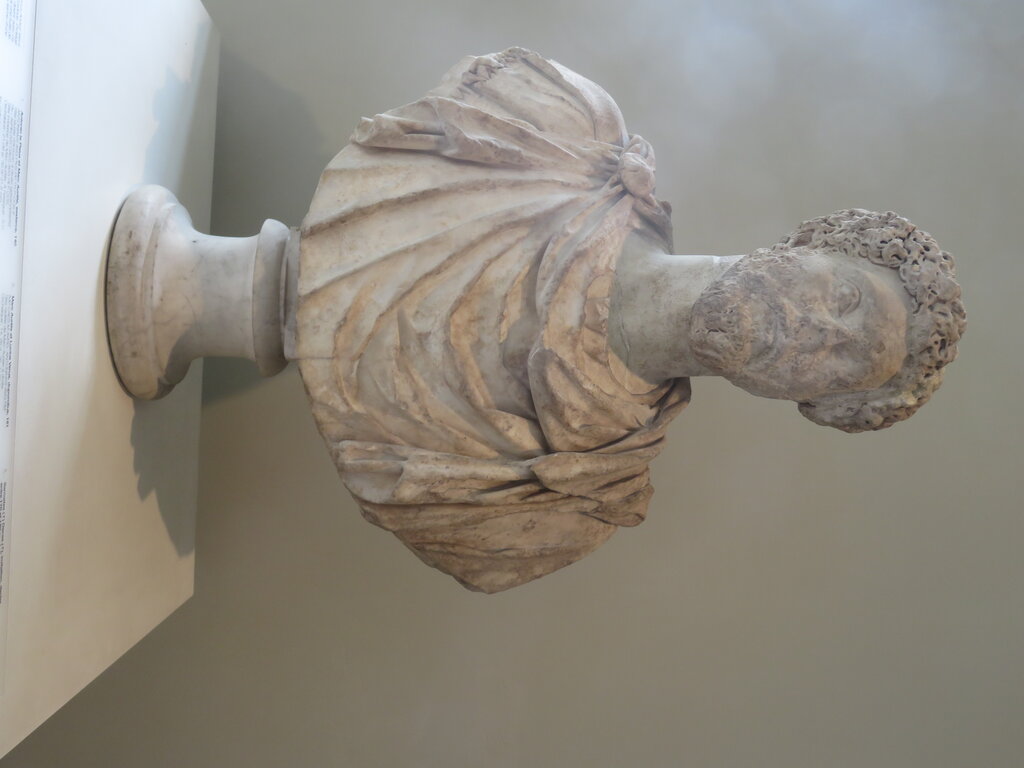
Second, it means living in harmony with the nature of the universe. The Stoics saw the cosmos as a rational, ordered, and interconnected system. By using our reason, we can understand this universal order and our place within it. This leads to an acceptance of events outside our control, recognizing them as part of a larger whole. It's about working with reality, not against it.
Now, let's review some of the key terms we've covered.
Ready to check your understanding?
Where does the name 'Stoicism' originate from?
What is the best definition of the Stoic goal of eudaimonia?
By understanding these core principles—focusing on what we control, pursuing a flourishing life through virtue, and using reason to live in harmony with nature—we have the foundation for exploring Stoic philosophy more deeply.