Stoic Principles for Modern Success
Introduction to Stoicism
The Painted Porch
Around 300 BC, a merchant named Zeno of Citium lost everything in a shipwreck. Stranded in Athens, he wandered into a bookshop and became fascinated with the stories of Socrates. This led him to study philosophy, and soon he began teaching his own ideas while walking with students in the Stoa Poikile, or "Painted Porch," a public colonnade in Athens. This is where Stoicism got its name.
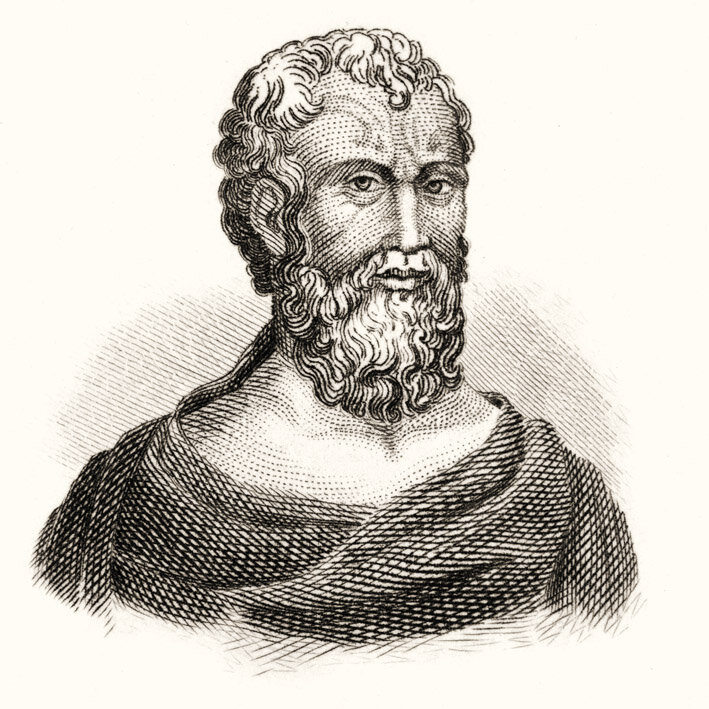
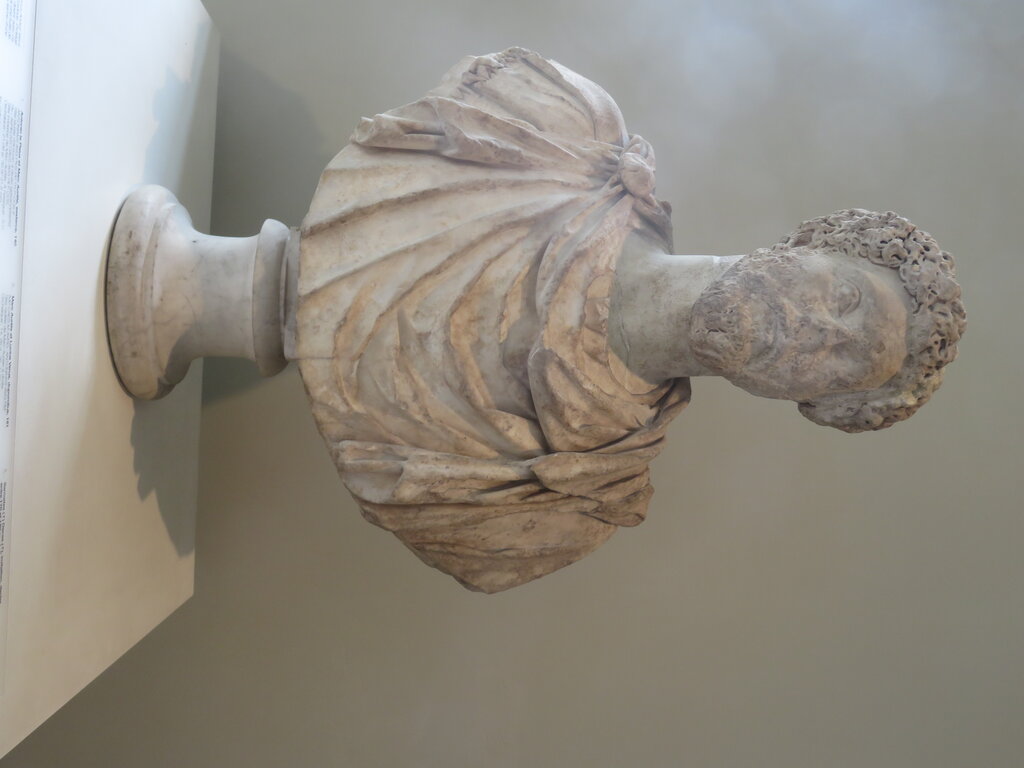
Zeno's philosophy wasn't just for academics. It was a practical guide to living a good life, and it attracted people from all walks of life. Centuries later, in the Roman Empire, its most famous followers included Seneca, a wealthy statesman and advisor; Epictetus, who was born a slave; and Marcus Aurelius, one of Rome's most powerful emperors.
Living with Virtue and Reason
The main goal of Stoicism is to achieve eudaimonia—a state of flourishing or living well. The Stoics believed this was possible by focusing on what's within our control and accepting what isn't. The key isn't to eliminate emotions, but to understand them through reason and not be ruled by them.
The Stoic path is built on three core ideas: virtue, reason, and living in accordance with nature.
For Stoics, virtue is the only true good. External things like wealth, health, and reputation are neutral. They can be used for good or bad, but they don't define your character. A good life comes from developing an excellent character, which they broke down into four cardinal virtues.
| Virtue | Meaning |
|---|---|
| Wisdom | Knowing what is good, bad, and indifferent. |
| Justice | Treating others fairly and with kindness. |
| Courage | Facing challenges with a clear mind. |
| Temperance | Practicing self-control and moderation. |
Next is the idea of living according to nature. This means two things. First, it means accepting the natural order of the world—things happen that are outside our control, from bad weather to the actions of others. The wise person accepts this instead of fighting it. Second, it means living in line with our own nature as rational beings. This is where reason comes in.
A core tenet of Stoicism is accepting what we cannot control and focusing on what we can: our thoughts and actions.
Reason is the tool we use to navigate the world. The Stoics believed humans have a unique capacity for logic and self-awareness. By using reason, we can analyze our judgments, understand what is truly important (virtue), and choose how to respond to events thoughtfully rather than reacting emotionally.
What You Can Control
Perhaps the most practical Stoic idea is the
dichotomy
noun
A division or contrast between two things that are or are represented as being opposed or entirely different.
of control. Epictetus taught that some things are up to us, while others are not. Things up to us include our opinions, judgments, desires, and actions. Things not up to us include our body, property, reputation, and the world around us.
According to the Stoics, our peace of mind depends on focusing our energy exclusively on what we can control. Worrying about things outside our control is not only useless, it's the source of most of our frustration and anxiety. By accepting what we can't change and taking responsibility for what we can, we can live a more tranquil and purposeful life.