Stocks for Young Investors
What Are Stocks
What Is a Stock?
At its heart, a stock is a very simple idea: it's a small piece of ownership in a company.
Think of a business like a big pizza. If you buy a stock, you're buying one slice of that pizza. You don't own the whole thing, but you do own a part of it. This piece of ownership is also called a 'share.' The terms 'stock' and 'share' are often used to mean the same thing. When you own a share of a company's stock, you are a shareholder.
A stock represents a share of ownership in the issuing company.
As a part-owner, you have a claim on the company's assets and a share in its profits. If the company does well and grows, the value of your slice of the pizza can increase. If the company struggles, the value of your slice might go down.
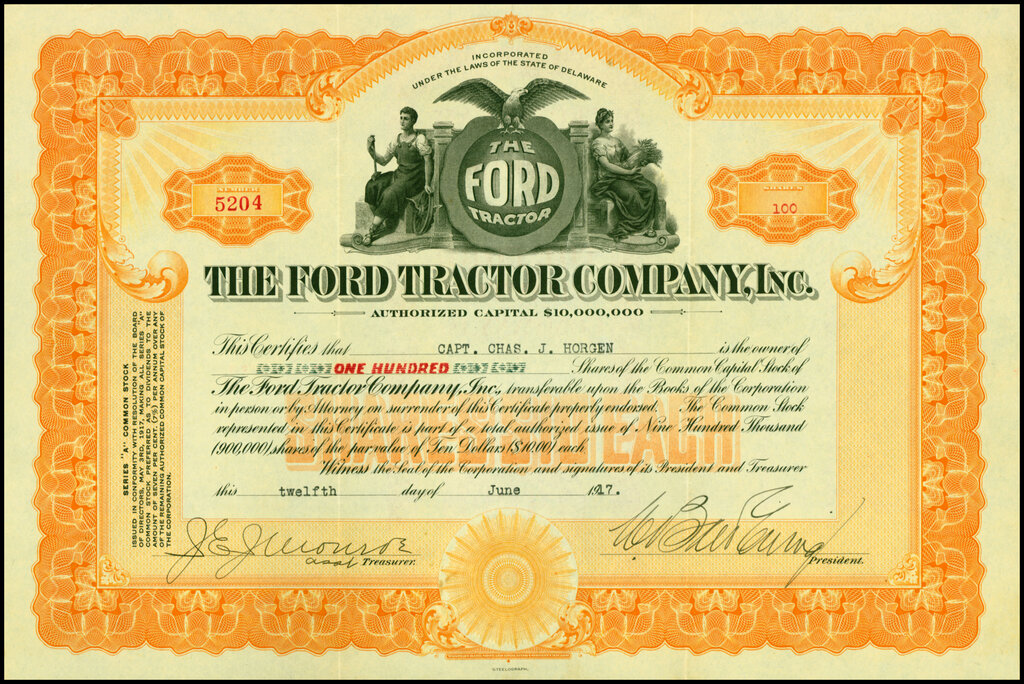
This ownership also gives you certain rights, like the ability to vote on important company decisions, such as who sits on the board of directors. For most small investors, this happens at annual shareholder meetings. The more shares you own, the more votes you get.
Why Companies Issue Stock
So, why would a company sell off little pieces of itself to the public? The main reason is to raise money, also known as capital.
Imagine a successful coffee shop. The owner wants to expand and open new locations, but doesn't have enough cash to do it. Instead of taking out a huge loan from a bank, the owner can decide to 'go public' and sell stock. By selling shares, the company gets an injection of cash from investors who are willing to buy a piece of the business.
This capital can be used for many things:
- Expansion: Building new factories, opening stores, or entering new markets.
- Research and Development: Creating new products or improving existing ones.
- Hiring Talent: Attracting skilled employees to help the business innovate.
- Paying Off Debt: Reducing loans to improve the company's financial health.
By issuing stock, a company can fund its growth without going into debt. The trade-off is that the original owners now share control and future profits with all the new shareholders.
What does owning a share of a company's stock represent?
What is the primary reason a company chooses to 'go public' and issue stock?
This is the fundamental idea behind stocks. They are the engine that allows companies to grow and investors to share in their success.