Stocks and the Stock Market Explained
Introduction to Stocks
What Is a Stock?
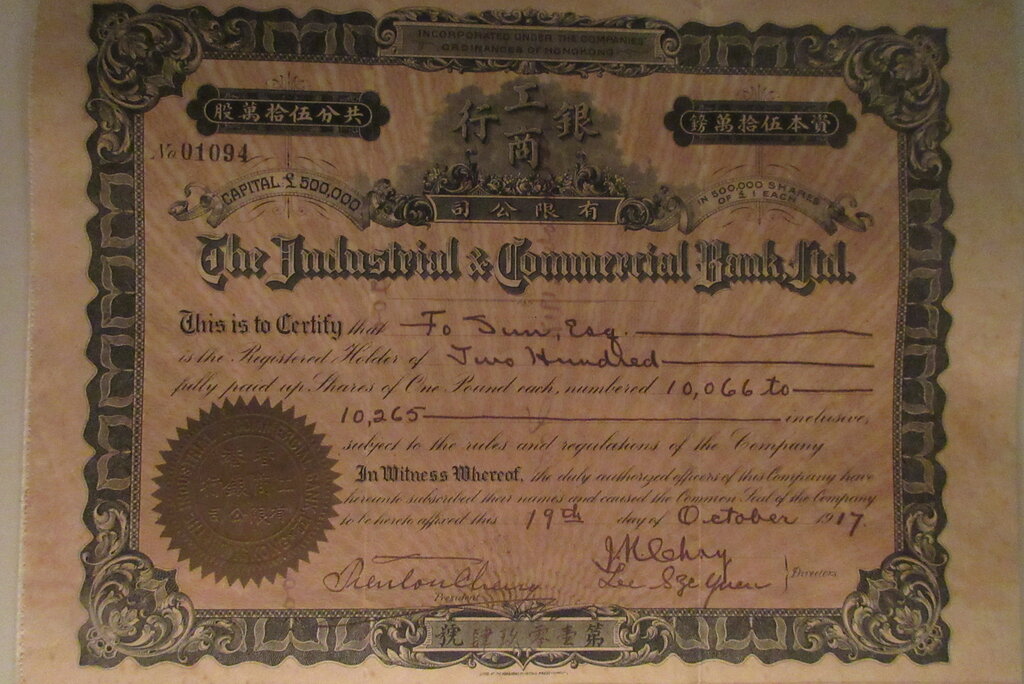
Think of a company as a whole pizza. If you buy a stock, you're buying a single slice of that pizza. A stock, also called a share, represents a small piece of ownership in a public company. When you own a stock, you are a shareholder, which means you're a part-owner of the business.
Stocks represent shares of ownership in a company and are listed for sale on a specific exchange.
As a part-owner, you have certain rights. The most common is the right to vote on big company decisions, like who sits on the board of directors. If the company does well and decides to share its profits, you might also receive payments called dividends. Your main responsibility is the money you invested. If the company runs into trouble, the most you can lose is the amount you paid for your shares. Your personal assets are safe.
Benefits and Risks
People buy stocks for two main reasons. First, they hope the company will grow and become more valuable. If that happens, the price of their shares goes up, and they can sell them for a profit. This is called capital appreciation.
Second, some companies distribute a portion of their earnings to shareholders as dividends. These regular payments can provide a steady stream of income. The main benefit is the potential for your money to grow significantly over time, far more than it might in a traditional savings account.
Owning stock allows you to participate in a company's success.
However, there are no guarantees. The value of a stock can also go down. If the company performs poorly, or if the overall economy struggles, the shares you own could become worth less than what you paid for them. In a worst-case scenario, if the company goes bankrupt, your shares could become worthless. This is the fundamental risk of owning stocks: the potential for growth is balanced by the risk of loss.
Two Flavors of Stock
Not all stocks are created equal. The two main types are common stock and preferred stock. Most people who talk about buying stocks are referring to common stock. It gives you voting rights and the potential for unlimited growth. If the company's value skyrockets, so does the value of your common stock.
Preferred stock is a bit different. It typically doesn't come with voting rights, but it usually guarantees a fixed dividend payment, much like a bond. If a company faces financial trouble and has to liquidate its assets, preferred shareholders get paid back before common shareholders do. This makes it a generally safer, but less growth-oriented, investment.
| Feature | Common Stock | Preferred Stock |
|---|---|---|
| Voting Rights | Yes | Usually No |
| Dividends | Variable, not guaranteed | Fixed, paid regularly |
| Growth Potential | High | Limited |
| Risk Level | Higher | Lower |
| Payout Priority | Last | Before common stock |
Where Stocks Come From
Stocks are created and sold in what's called the primary market. This is when a company first offers its shares to the public in an Initial Public Offering (IPO). The company sells its shares directly to investors and uses the money raised to fund its operations, expand, or pay off debt. Think of it as the stock's birthday.
After the IPO, things move to the secondary market. This is what we typically call the stock market, with exchanges like the New York Stock Exchange (NYSE) or Nasdaq. Here, investors buy and sell shares from each other. The company whose stock is being traded isn't directly involved in these transactions. The price of the stock is determined by supply and demand among investors.
Understanding these core concepts is the first step into the world of investing. Stocks are a fundamental building block for building wealth, but they come with their own set of rules and risks.
Ready to check your understanding?