Stock Trading Fundamentals
Introduction to Stock Markets
What Is a Stock Market?
Think of a stock market as a massive, organized marketplace. But instead of selling fruits and vegetables, it's a place for buying and selling tiny pieces of ownership in public companies. These tiny pieces are called stocks or shares.
When you buy a company's stock, you become a shareholder. This means you own a small fraction of that company. If the company does well and its value grows, the value of your stock may go up. If it does poorly, your stock's value might go down.
The main purpose of the stock market is to help companies raise money to fund operations, expand, and innovate. At the same time, it gives investors a chance to share in the companies' potential success.

Primary and Secondary Markets
Stock trading happens in two main arenas: the primary market and the secondary market. They serve different purposes but work together.
Primary Market
noun
Where new stocks are created and sold for the first time. The most common example is an Initial Public Offering (IPO), when a private company first sells shares to the public to raise capital.
In an IPO, the money from selling stock goes directly to the company. It’s a one-time event for each batch of new shares.
Secondary Market
noun
This is what people usually mean when they talk about 'the stock market.' It's where investors buy and sell stocks from each other, not directly from the company. Major exchanges like the NYSE and NASDAQ are secondary markets.
The Key Players
Several key participants keep the stock market running smoothly.
Investors: These are individuals (like you!) or institutions (like pension funds) who buy and sell stocks. Their goal is typically to grow their money over time.
Brokers: Brokers are the intermediaries who execute buy and sell orders on behalf of investors. You need an account with a brokerage firm to trade stocks.
Market Makers: These are firms or individuals who are always ready to buy or sell a particular stock. They provide liquidity, meaning they make it easier for investors to complete their trades quickly without waiting for another investor to come along.
Tracking the Market
With thousands of companies listed on stock exchanges, how do we get a quick snapshot of how the market is doing? We use stock indices.
Index
noun
A stock index tracks the performance of a specific group of stocks. It provides a benchmark to measure the overall health and direction of a market or a sector.
You've likely heard of a few major indices:
- The S&P 500: Tracks 500 of the largest U.S. companies. It's often used as a proxy for the entire U.S. stock market.
- The Dow Jones Industrial Average (DJIA): Tracks 30 large, well-known U.S. companies. It's one of the oldest and most famous indices.
- The NASDAQ Composite: Tracks most of the stocks listed on the NASDAQ exchange, which includes a lot of technology companies.
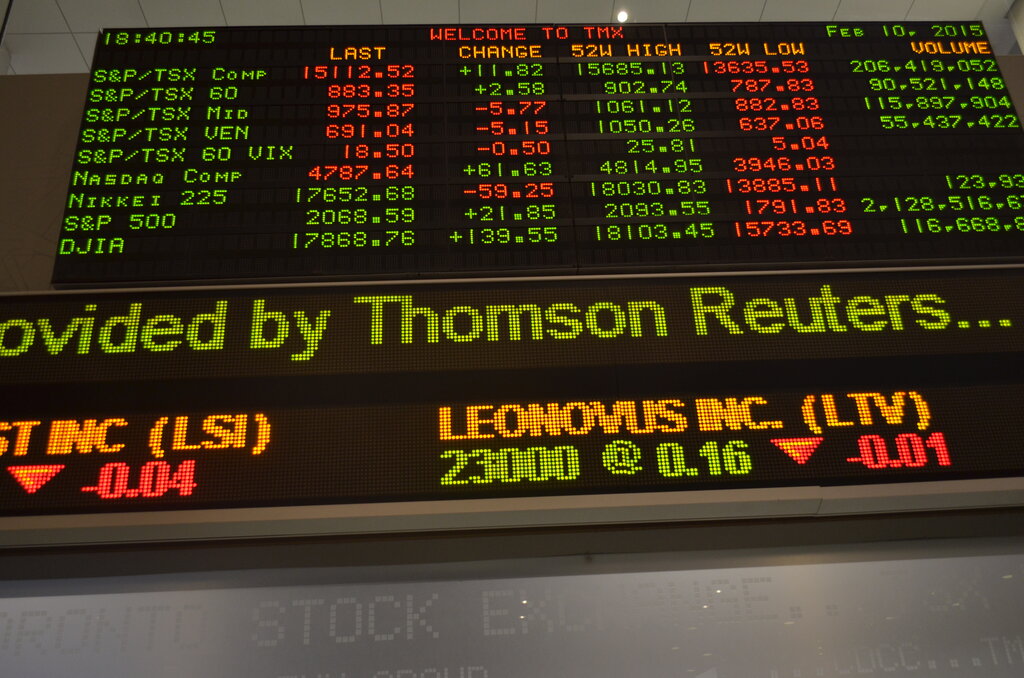
When you hear on the news that "the market is up today," it usually means that a major index like the S&P 500 has increased in value.
Now that you understand the basic structure and players, you have a solid foundation for how stock markets work.
Ready to test your knowledge? Let's see what you've learned.
What does owning a company's stock fundamentally represent?
During a company's Initial Public Offering (IPO), the money from the sale of new shares goes primarily to...