Stock Trading Fundamentals
Introduction to Stock Markets
What Is a Stock Market?
A stock market is a collection of exchanges where people buy and sell ownership stakes in public companies. These tiny pieces of ownership are called stocks or shares. Think of it like a massive marketplace, but instead of selling fruit or crafts, companies sell pieces of themselves to raise money.
Why do they do this? A company might need cash to build a new factory, develop a new product, or expand into new areas. By selling shares, they get the funds they need to grow. For investors, buying stock is a chance to own a piece of a company they believe in. If the company does well, the value of their shares can increase.
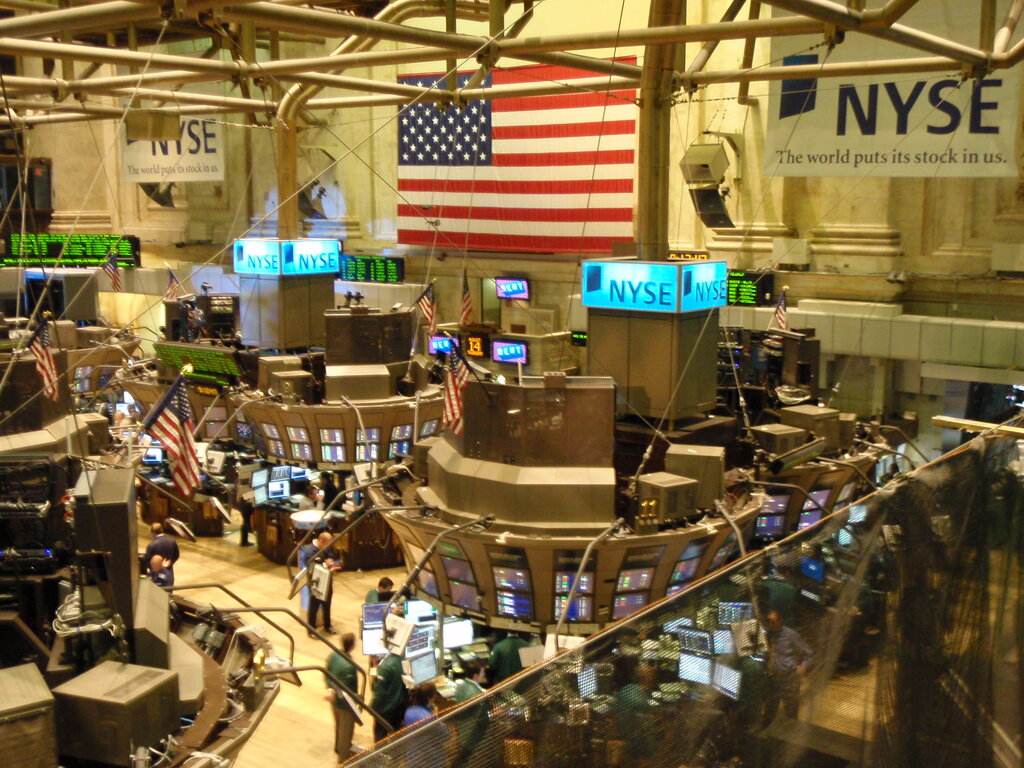
These markets play a crucial role in the economy by efficiently channeling money from savers and investors to businesses that can use it to create jobs and drive innovation.
Primary vs. Secondary Markets
Stock trading happens in two main stages: the primary market and the secondary market.
The primary market is where a company first sells its shares to the public. This debut is called an Initial Public Offering, or IPO. When you buy shares in an IPO, the money goes directly to the company. It's like buying a brand-new car from the manufacturer's factory.

The secondary market is what most people mean when they talk about the stock market. This is where investors trade shares among themselves. If you buy 100 shares of Apple today, you're not buying them from Apple. You're buying them from another investor who wanted to sell. The company isn't directly involved in the transaction. This is like buying a used car from its previous owner.
Most trading activity occurs in the secondary market, on well-known exchanges like the New York Stock Exchange (NYSE) or NASDAQ.
The Market's Key Players
Several key groups make the stock market function. You have investors, brokers, and market makers.
Investors are individuals or institutions that buy and sell stocks. They can range from a person buying a few shares through a smartphone app to a massive pension fund managing billions of dollars.
Brokers are the intermediaries who execute trades on behalf of investors. In the past, you had to call a stockbroker on the phone. Today, most investors use online brokerage firms or apps, but the principle is the same. The broker connects your buy or sell order to the exchange.
Market makers are firms that provide liquidity to the market. They are willing to buy and sell a particular stock at any given time, ensuring there's always someone to trade with. They make money on the small difference between their buying price and selling price, known as the spread.
Checking the Market's Pulse
How do you know if the market is generally doing well or poorly? That's where stock indices come in. An index tracks the performance of a group of stocks, offering a snapshot of the market's health.
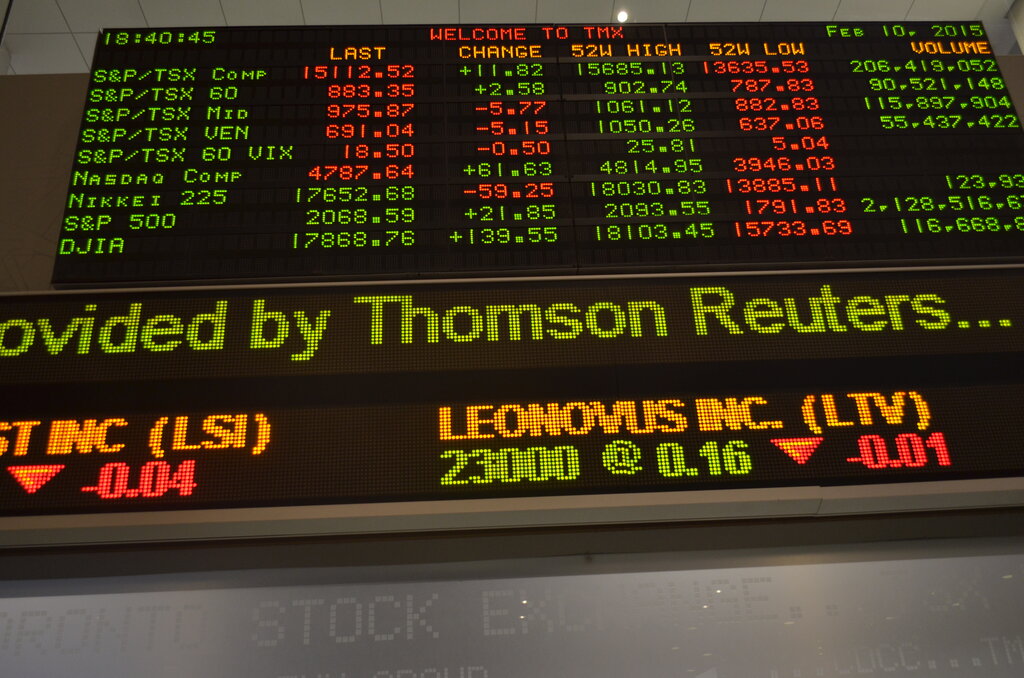
You've likely heard of a few major indices:
- The S&P 500: Tracks 500 of the largest U.S. companies. It's often used as a benchmark for the overall health of the U.S. stock market.
- The Dow Jones Industrial Average (DJIA): A well-known index that follows 30 large, established American companies.
- The NASDAQ Composite: Includes most of the stocks listed on the NASDAQ exchange, with a heavy focus on technology companies.
When you hear a news report say "the market was up today," they are usually referring to the performance of one of these major indices.
When a company offers shares to the public for the very first time in an Initial Public Offering (IPO), this transaction occurs in the:
If you wanted a snapshot of the performance of 500 of the largest companies in the U.S., which stock index would be the most appropriate to look at?
With these basics in mind, you have a solid foundation for understanding how the stock market works.