Stock Trading Fundamentals
Introduction to Stock Markets
What is a Stock Market?
Think of a farmers' market. Growers bring their produce, and shoppers come to buy fresh food. A stock market is similar, but instead of apples and carrots, people buy and sell tiny pieces of companies. These pieces are called stocks or shares.
When you buy a stock, you're buying a small slice of ownership in a public company, like Apple or Ford.
Why do companies sell these slices? To raise money, or capital. They use this capital to fund new projects, hire more employees, or expand their business. For investors, buying stock is an opportunity to share in a company's potential growth and profits. If the company does well, the value of their ownership slice can increase.

How Exchanges Work
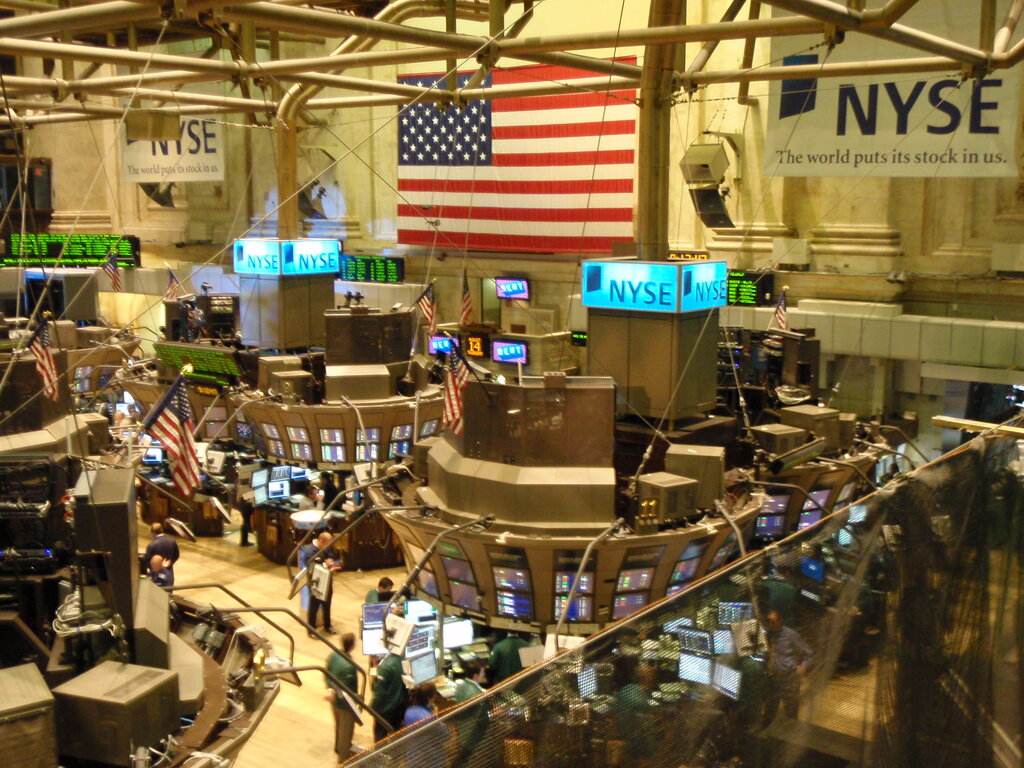
The actual buying and selling happens on a stock exchange. The New York Stock Exchange (NYSE) and Nasdaq are two of the largest. These exchanges are organized marketplaces that connect buyers and sellers.
Decades ago, trading floors were chaotic places with traders shouting orders and waving paper slips. Today, most trading is electronic. Sophisticated computer systems match buy and sell orders in fractions of a second. The exchange's main jobs are to ensure trading is fair, orderly, and that prices are transparent to everyone.
What's Being Traded
While stocks are the main event, they aren't the only thing traded on exchanges. Different types of investments, called securities, are available.
stock
noun
A type of security that signifies ownership in a corporation and represents a claim on part of the corporation's assets and earnings.
Another common security is a bond. When you buy a bond, you're not buying ownership. You're essentially lending money to a company or a government. In return, they promise to pay you back with interest over a set period.
| Feature | Stocks (Equity) | Bonds (Debt) |
|---|---|---|
| What it is | Ownership in a company | A loan to an entity |
| Potential Return | Potentially high (dividends, price increase) | Fixed interest payments |
| Risk Level | Higher risk | Lower risk |
| Investor Role | Owner | Lender |
Other securities like Exchange-Traded Funds (ETFs), which are bundles of different stocks or bonds, are also popular. They allow investors to buy a diversified collection of assets in a single transaction.
The Market's Economic Role
The stock market is more than just a place to trade. It's a critical engine for the economy. When healthy, it allows wealth to flow from those who have it to those who can use it to create more value. A company with a great idea can raise millions from the public to bring that idea to life, creating jobs and new products along the way.
This creates a cycle. Investors provide capital to companies. Companies use that capital to grow, which can boost the economy. A strong economy often leads to higher corporate profits, which in turn can reward investors. The overall performance of the stock market is often seen as a barometer for the health of the economy.
Key Participants
Several groups keep the stock market running.
Companies: Also called issuers, they sell stock to the public to raise funds.
Investors: These are the buyers. They can be individuals, known as retail investors, or large institutions like pension funds and mutual funds.
Brokers: These are the intermediaries. Since individuals can't trade directly on an exchange, they need a licensed broker to execute trades for them.
Regulators: Government bodies, like the Securities and Exchange Commission (SEC) in the U.S., set and enforce the rules of the market to protect investors from fraud and ensure fair practices.
Together, these participants create a dynamic system where capital is allocated, risks are taken, and wealth can be created. Understanding these foundational pieces is the first step to navigating the world of investing.