Stock Trading Essentials
Introduction to Stock Markets
What Is a Stock Market?
Think of a stock market as a massive, organized marketplace. But instead of fruits and vegetables, people are buying and selling tiny pieces of ownership in public companies. These little pieces are called stocks or shares.
Stock
noun
A type of security that signifies ownership in a corporation and represents a claim on part of the corporation's assets and earnings.
Companies sell stock to raise money, or capital, which they use to fund new projects, grow their business, or hire more people. For investors, buying stock is a way to potentially grow their money by sharing in a company's success. If the company does well and its value increases, the price of its stock may also rise.
The stock market connects companies that need money with investors who are looking for a return on their money.
Where Trading Happens
This buying and selling doesn't happen just anywhere. It takes place on stock exchanges. These are the formal marketplaces where stocks are traded. You’ve probably heard of the big ones.
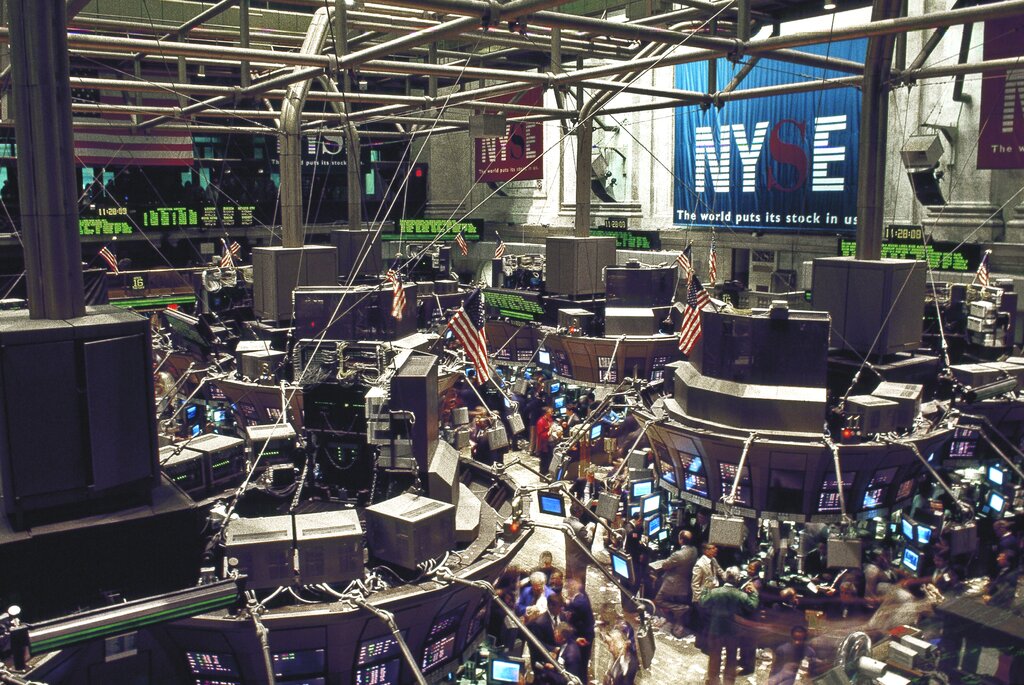
The New York Stock Exchange (NYSE) is famous for its physical trading floor, where brokers used to shout orders, though much of it is electronic today. The NASDAQ is different; it has always been a fully electronic exchange, popular with technology companies like Apple and Microsoft. Exchanges like these provide a regulated environment, ensuring that trading is fair and transparent.
Taking the Market's Temperature
With thousands of companies to follow, how do you know if the market is generally doing well or poorly on any given day? That’s where stock indices come in.
An index is a curated collection of stocks that represents a portion of the market. It’s like a highlight reel. By tracking the performance of an index, you can get a quick snapshot of the market’s overall health.
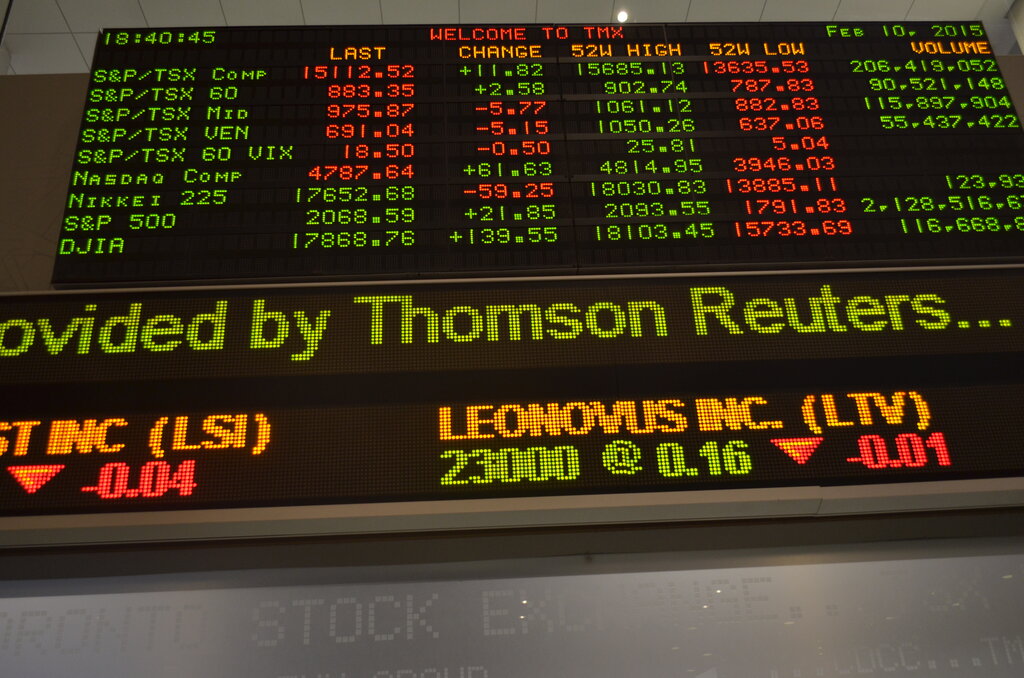
Famous indices include the S&P 500 (tracking 500 of the largest U.S. companies), the Dow Jones Industrial Average (30 large, well-known U.S. companies), and the NASDAQ Composite (which is heavy on tech stocks).
The People in the Market
The market is made up of different types of participants, each with a distinct role.
- Retail Investors: These are regular people, like you and me. We buy and sell stocks for our personal accounts, often through online brokerage platforms.
- Institutional Investors: These are the big players. Think of pension funds, mutual funds, and insurance companies. They manage huge pools of money and trade in much larger volumes than retail investors.
- Market Makers: These are firms or individuals who are always ready to buy or sell a particular stock. They make their money on the spread, which is the small difference between their buying price and selling price. Their constant activity ensures there’s always someone to trade with, which keeps the market flowing smoothly.
How a Trade Works
At its core, a trade is simple. When you want to buy a stock, you place an order with your broker. Your broker then finds someone who is willing to sell their shares at a price you're willing to pay. This happens in an instant on an electronic exchange.
The price of a stock is determined by supply and demand. If more people want to buy a stock (demand) than sell it (supply), the price goes up. If more people want to sell than buy, the price goes down. Every trade, big or small, contributes to this constant price discovery.
Now you have a grasp of the basic building blocks of the stock market. You know what it's for, where it happens, and who's involved.
Time to check what you've learned.
What is the primary reason a company issues stock?
If far more people want to sell a particular stock than buy it, what will likely happen to the stock's price?
Understanding these fundamentals is the first step toward navigating the world of investing.