Stock Trading Essentials
Market Order Types
Placing Your First Trade
When you decide to buy or sell a stock, you don't interact directly with the stock exchange. Instead, you work through a brokerage firm, which acts as an intermediary. Think of your broker as a licensed agent who takes your instructions, known as 'orders', and routes them to the market to be executed. They connect your desire to trade with the vast network of buyers and sellers.
An order is simply a set of instructions you give your broker on how to buy or sell a security on your behalf.
Executing at Market Speed
The most straightforward instruction you can give is a market order. This type of order tells your broker to buy or sell a security immediately at the best available current price. The key word is immediately. Your priority is getting the trade done, not haggling over the price.
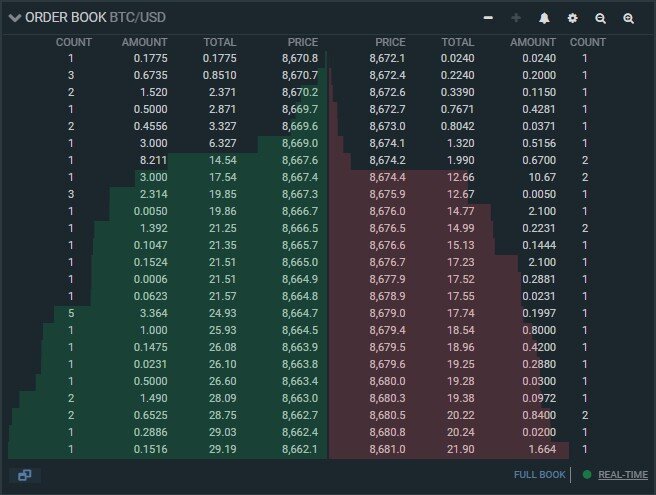
When you place a market order to buy, you'll pay the 'ask' price, which is the lowest price a seller is currently willing to accept. If you're selling, you'll receive the 'bid' price, the highest price a buyer is willing to pay. The difference between these two prices is the bid-ask spread, a small cost built into every trade.
Use a market order when your priority is speed of execution over a specific price. It guarantees your trade will go through, but not at an exact price.
Controlling Your Price
What if you're not willing to accept just any price? A limit order lets you set the maximum price you're willing to pay for a stock, or the minimum price you're willing to sell it for. Your order will only execute if the market price reaches your limit price or better.
| Order Type | You're Buying | You're Selling |
|---|---|---|
| Market Order | Fills at the current ask price. | Fills at the current bid price. |
| Limit Order | Fills at your limit price or lower. | Fills at your limit price or higher. |
The trade-off is that there's no guarantee your order will ever be filled. If the stock's price never reaches your limit, your order will sit unfilled and eventually expire. You get control over the price, but you sacrifice the certainty of execution.
Managing Risk with Stop Orders
Stop orders are designed to limit your potential losses or protect a profit. They are dormant orders that activate only when a stock's price hits a specific level, called the stop price.
A stop-loss order becomes a market order to sell once the stop price is reached. For example, if you buy a stock at $50 and set a stop-loss at $45, your order will trigger and sell at the best available market price if the stock ever drops to $45.
A stop-limit order is a two-part order. Once the stop price is hit, it becomes a limit order instead of a market order. This gives you more control over the execution price but runs the risk that the stock price could fall past your limit price so quickly that your order never executes.
A trailing stop order is a dynamic stop-loss that adjusts automatically as the stock price rises. You can set it to trail the market price by a fixed amount (e.g., $5) or a percentage (e.g., 10%). This is useful for protecting profits in a stock that is performing well.
Choosing the right order type depends entirely on your goal. Are you trying to get in or out of a position as fast as possible, or are you willing to wait for a specific price? Understanding these tools is the first step toward executing your trading ideas effectively.