Stock Selection Strategies
Introduction to Stock Markets
What Is a Stock Market?
A stock market is essentially a marketplace, but instead of buying groceries or clothes, people buy and sell ownership in companies. When you buy a company's stock, you're purchasing a small piece of that company, called a share. These markets serve two main purposes. First, they allow companies to raise money by selling these shares to the public. This money, or capital, helps them expand, develop new products, and grow their business. Second, they give investors a place to trade these shares, hoping to grow their own money over time as the companies they've invested in become more valuable.

Think of it like a massive, organized auction where the prices of shares change constantly based on supply and demand. If more people want to buy a stock than sell it, the price goes up. If more people want to sell than buy, the price goes down. This collective activity helps determine the value of public companies and plays a vital role in the broader economy.
Two Markets in One
When we talk about the stock market, we're actually talking about two distinct but connected markets: the primary market and the secondary market.
The primary market is where new stocks are born. When a private company decides to go public and offer shares for the first time, it does so here. This event is called an Initial Public Offering (IPO). The money raised from selling these brand-new shares goes directly to the company.
The secondary market is what most people are familiar with. This is where investors buy and sell shares from each other. The company whose stock is being traded isn't directly involved in the transaction and doesn't receive any money. It’s like buying a used car; the original manufacturer doesn't profit when the car is sold from one person to another.
This continuous trading in the secondary market is what determines the day-to-day price of a stock.
Major Exchanges and Indices
Stock trading happens on exchanges. These are the specific venues where buy and sell orders are matched. In the United States, two of the most well-known exchanges are the New York Stock Exchange (NYSE) and the Nasdaq.
The NYSE is an auction market with a physical trading floor, though most trading is now electronic. It tends to be home to older, more established companies. The Nasdaq is an all-electronic exchange and is known for listing many of the world's largest technology companies.
With thousands of companies listed, it's impossible to track them all. That's where stock indices come in. An index is a curated list of stocks that represents a portion of the market. It provides a snapshot of how a particular market segment is performing.
Two famous examples are:
- The S&P 500: Tracks the performance of 500 of the largest U.S. companies. It's often used as a benchmark for the overall health of the U.S. stock market and economy.
- The Dow Jones Industrial Average (DJIA): Tracks 30 large, well-known U.S. companies. While it includes far fewer companies than the S&P 500, it's one of the oldest and most-watched indices in the world.
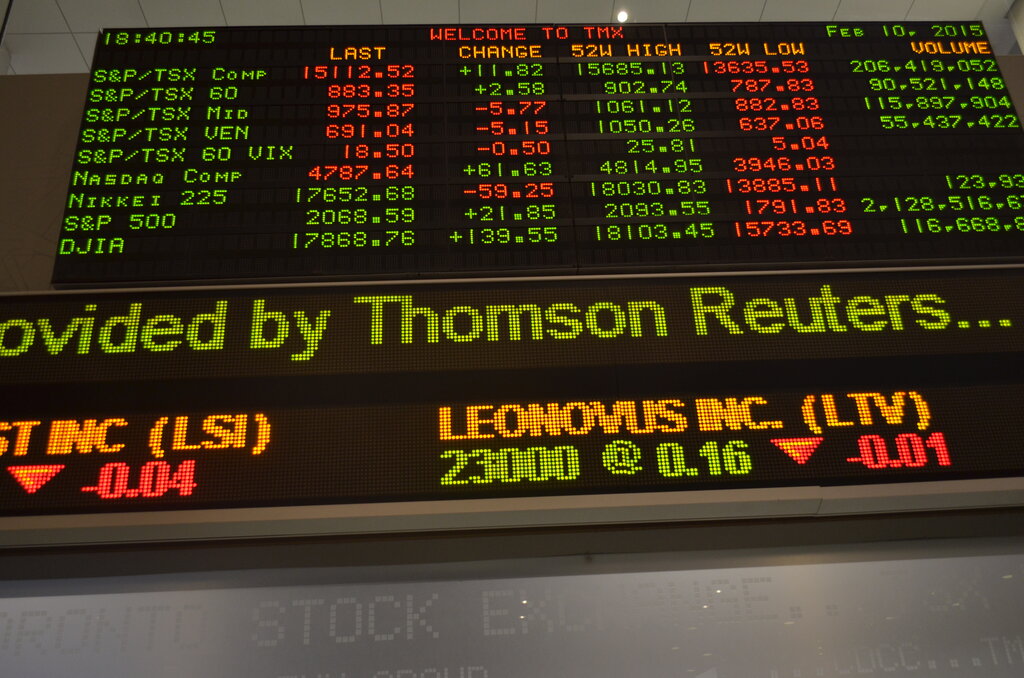
When you hear news reports saying "the market is up today," they are usually referring to the performance of a major index like the S&P 500. These indices don't tell you about any single stock, but they give you a powerful big-picture view of market trends.
What are the two primary purposes of the stock market?
When you hear a news report stating that "the market is up today," the anchor is most likely referring to the performance of a...
Understanding these core components—what a market is, how it's structured, and how it's measured—is the first step toward navigating the world of investing.