Stock Picking Strategies
Investment Basics
The Basics of Investing
Investing is about putting your money to work for you. The goal is to grow your wealth over time. One of the most common ways to do this is by buying stocks.
Stock
noun
A type of security that signifies ownership in a corporation and represents a claim on part of the corporation's assets and earnings.
When you buy a stock, you're buying a small piece of a company. If the company does well and its value increases, the value of your piece, or share, goes up too. If it does poorly, the value can go down.
But where do you buy and sell these pieces of companies? That happens on the stock market.
The stock market is essentially a giant marketplace where people buy and sell stocks. It connects companies looking for money to grow with investors looking to own a piece of those companies.

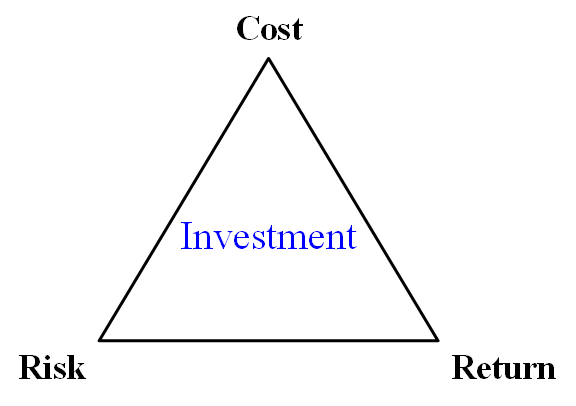
All investing involves a fundamental trade-off. You can't have one without the other. This is the relationship between risk and return.
Risk
noun
The chance that an investment's actual gains will differ from an expected outcome or return. Risk includes the possibility of losing some or all of the original investment.
In simple terms, return is the money you make or lose on an investment. Risk is the chance you'll lose money. Generally, investments with the potential for higher returns also come with higher risk. A brand-new tech startup could potentially grow much faster than a large, established utility company, but it also has a much higher chance of failing.
This balance is at the heart of every investment decision.
Common Investment Strategies
There’s no single “best” way to invest. Different approaches suit different goals, timelines, and comfort levels with risk. Let's look at three popular strategies.
| Strategy | Primary Goal | Example Type of Company |
|---|---|---|
| Value Investing | Buy stocks for less than they're worth | Large, stable company in an out-of-favor industry |
| Growth Investing | Find companies that are growing quickly | Innovative tech or healthcare company |
| Income Investing | Generate a steady stream of cash | Established utility or consumer goods company |
Value Investing is like bargain hunting. Value investors look for solid, well-run companies that the market has undervalued. They believe that eventually, the market will recognize the company's true worth, and the stock price will rise. The key is patience.
Growth Investing focuses on potential. Growth investors look for companies poised for rapid expansion, even if their stocks seem expensive based on current earnings. They are betting on future profits. These are often younger companies in innovative fields like technology or biotech.
Income Investing is about cash flow. This strategy involves buying stocks of companies that pay out a portion of their profits to shareholders. These payments are called dividends. This approach is popular with investors who want a regular, predictable source of income from their investments, like retirees.
Understanding these basic strategies helps you think about what you want to achieve with your investments. Are you looking for bargains, rapid growth, or steady income? Your answer will guide your choices.
Now, let's test your understanding of these core concepts.
When you buy a stock, what are you purchasing?
In investing, an asset with the potential for a higher return typically has lower risk.
With these fundamentals in mind, you have a solid foundation for exploring how to pick the right stocks for you.