Stock Market Investing Fundamentals
Introduction to Stock Market
What is a Stock Market?
Think of a stock market as a massive, organized marketplace. But instead of selling fruits or antiques, this market sells ownership in companies. These small pieces of ownership are called stocks or shares.
When a company wants to grow, it can sell these shares to the public to raise money. This is called going public. For investors, buying these shares means they own a small part of that company. They hope the company does well so the value of their shares increases over time.
The stock market serves two main purposes. It allows companies to access capital to fund expansion, research, or new projects. It also gives people a place to invest their money with the goal of building wealth.
Where Does Trading Happen?
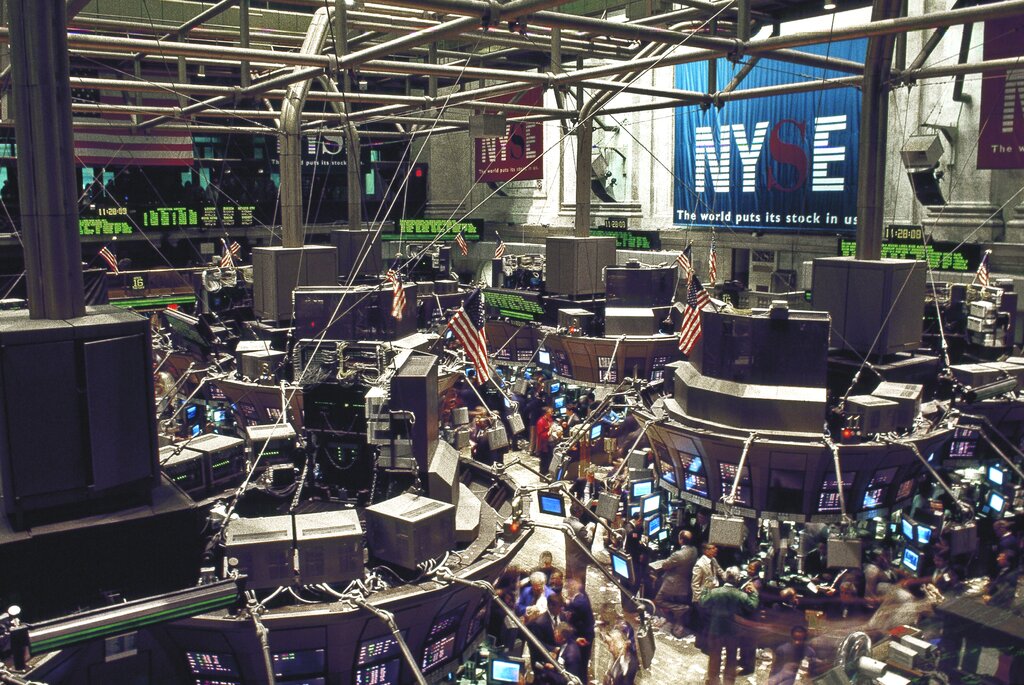
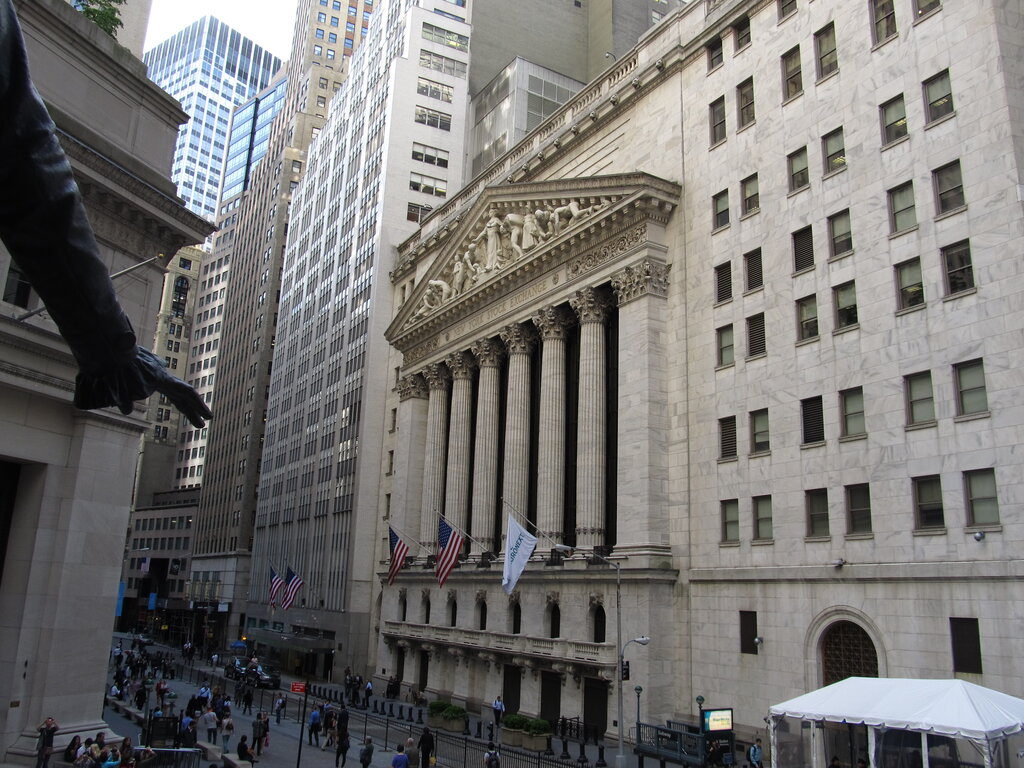
This buying and selling happens on stock exchanges. An exchange is just the venue where all the transactions are processed. While there are exchanges all over the world, two of the most famous are in the United States: the New York Stock Exchange (NYSE) and the Nasdaq.
The NYSE, founded in 1792, is famous for its physical trading floor, where traders historically shouted orders in a bustling auction environment. While most trading is now electronic, the floor still serves as an iconic symbol of the market.
The Nasdaq, on the other hand, started in 1971 as the world's first electronic stock market. It has no physical trading floor. All trades are made through a vast computer network. Many of the world's biggest technology companies, like Apple, Amazon, and Microsoft, are listed on the Nasdaq.
The People Involved
Several key players keep the market running. You are probably already familiar with the most important one: the investor.
An investor is anyone who buys shares of a company. This could be an individual saving for retirement, a large pension fund managing money for thousands of people, or a university endowment.
Investors can't just walk onto an exchange and start trading. They need a broker. A broker is a person or firm that is licensed to buy and sell stocks on an investor's behalf. In modern times, most people use online brokerage firms or apps on their phones to place trades.
A third, less visible participant is the market maker. These are firms that stand ready to buy or sell a particular stock at any time. They provide liquidity, which means they make it easy for investors to complete their trades quickly without having to wait for another investor to come along with an opposite order. Market makers profit from the small difference between their buying and selling prices, known as the spread.
How Do We Measure the Market?
It's impossible to track the performance of every single company on the stock market. Instead, we use a stock market index. An index is a curated list of stocks that represents a portion of the market. Its performance gives us a snapshot of how that part of the market is doing overall.
Two of the most frequently cited indices in the U.S. are the S&P 500 and the Dow Jones Industrial Average.
- The S&P 500: This index tracks the performance of 500 of the largest U.S. companies. Because it is so broad, it is often used as a benchmark for the health of the entire U.S. stock market and economy.
- The Dow Jones Industrial Average (DJIA): Often just called "the Dow," this is one of the oldest and most well-known indices. It tracks just 30 large, established, and influential U.S. companies. While it includes far fewer companies than the S&P 500, its movements are watched closely by investors around the world.
When you hear a news report say "the market was up today," they are usually referring to the performance of one of these major indices.
An index simplifies the complex market into a single number, making it easier to understand general market trends.
That covers the basic structure of the stock market. Now you know what it is, where it happens, who's involved, and how it's measured.
What is the primary purpose of the stock market for a company that decides to 'go public'?
Which key participant in the stock market provides liquidity by being constantly ready to buy or sell a particular stock?