Stock Market Investing Fundamentals
Introduction to Stock Investing
What Are Stocks Anyway?
Buying a stock is like buying a tiny piece of a company. Imagine a company is a giant pizza. Each share of stock is a single slice. If you own a slice, you own part of the pizza. When the company does well and grows, the value of your slice can go up. You become a part owner, or a shareholder.
Stocks represent ownership in a company.
Why would a company sell off little pieces of itself? To raise money. Companies sell stock to get cash to fund new projects, expand into new markets, or hire more people. In return, investors who buy the stock get to share in the company's future successes.
Two Flavors of Stock
Not all stocks are the same. There are two main types you'll encounter: common and preferred stock.
Common Stock is, well, the most common. When you own a share of common stock, you usually get voting rights. This means you can have a small say in big company decisions, like who sits on the board of directors. It's like having a vote in your local election.
Preferred Stock is a bit different. Owners of preferred stock typically don't get voting rights. However, they have a big advantage when it comes to dividends, which are regular payments some companies make to their shareholders. Preferred shareholders are first in line to get paid, and their dividend amount is often fixed. It’s a more predictable, but less powerful, form of ownership.
| Feature | Common Stock | Preferred Stock |
|---|---|---|
| Voting Rights | Usually, yes | Typically, no |
| Dividends | Variable; paid after preferred | Fixed; paid before common |
| Risk Level | Higher | Lower |
| Growth Potential | Higher | Lower |
Where Stocks Live
You don't buy stocks at a corner store. You buy them on a stock market, which acts as a global marketplace for stocks. Think of it like a massive, organized auction where buyers and sellers trade shares every day. The New York Stock Exchange (NYSE) and the Nasdaq are two of the most famous stock markets in the world.
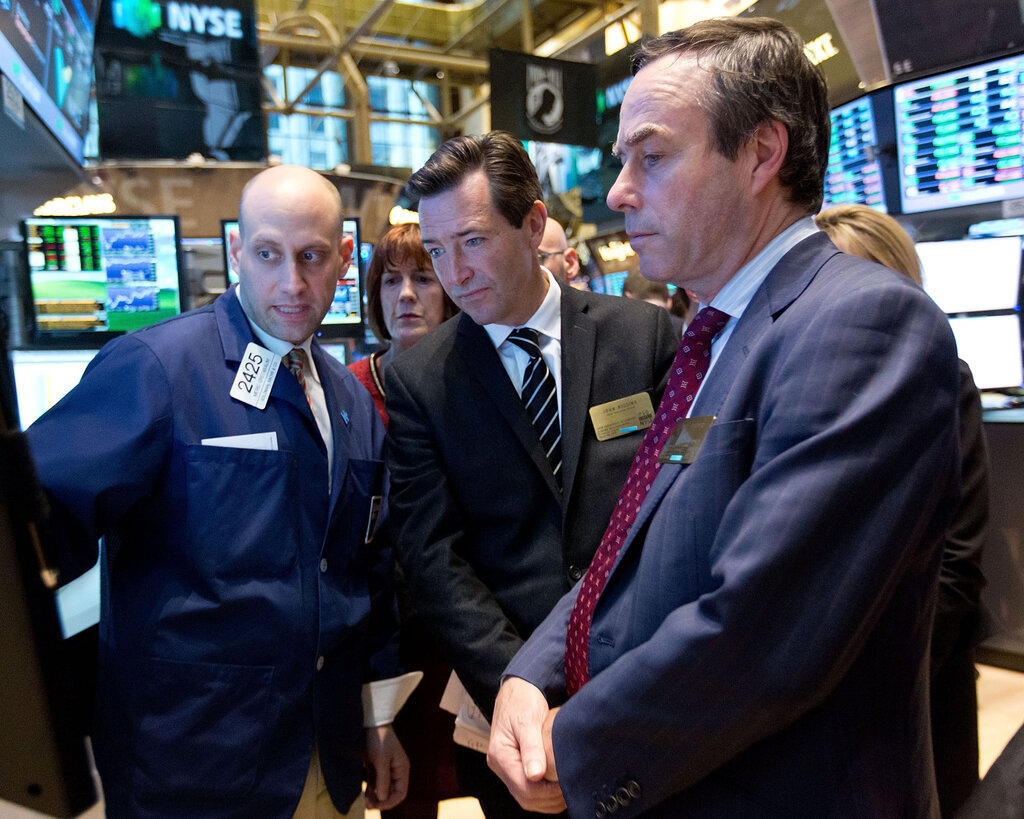
These markets bring together millions of investors. The price of a stock is determined by supply and demand. If more people want to buy a stock than sell it, the price goes up. If more people want to sell than buy, the price goes down. This constant tug-of-war is what makes stock prices change every second.
Risks and Rewards
Investing in stocks offers the potential for significant financial gain, but it also comes with risks. Let's look at both sides of the coin.
The biggest reward is capital appreciation. This is just a fancy term for when your stock increases in value. If you buy a share for $50 and its price rises to $70, you've gained $20. Over the long term, the stock market has historically provided strong returns.
Another reward is dividends. As we mentioned, these are payments that some companies make to their shareholders, usually quarterly. It's like getting a small, regular thank-you gift for being a part owner.
The main goal of stock investing is to grow your money over time.
Now for the risks. The most obvious one is that you can lose money. A company can perform poorly, its new product might flop, or the entire economy could hit a rough patch. In these cases, the stock price can fall. If you bought at $50 and the price drops to $30, you've lost $20 on paper. It's possible for a stock's value to go all the way to zero, meaning you lose your entire investment.
There is no guarantee of profit in stock investing. The value of your investment can go down as well as up.
This relationship between risk and reward is fundamental to investing. Generally, investments with the potential for higher returns also carry higher levels of risk. Understanding this balance is the first step toward making informed decisions with your money.
Ready to check your understanding?
When you buy a share of a company's stock, what are you essentially purchasing?
What is the primary reason a company issues stock to the public?
Grasping these basics—what stocks are, where they're traded, and the potential outcomes—is the foundation for your entire investment journey.