Stock Market Investing Essentials
Introduction to Stocks
What Is a Stock?
Think of a company as a big pizza. If you want to own a piece of that company, you can buy a slice. In the financial world, these slices are called stocks. When you buy a stock, you're buying a small fraction of ownership in a publicly traded company.
Stock
noun
A type of security that signifies ownership in a corporation and represents a claim on part of the corporation's assets and earnings.
Each unit of stock is called a share. So, if a company has 1,000,000 shares outstanding and you own 10,000 of them, you own 1% of that company. People who own stock are called shareholders or stockholders. Historically, this ownership was represented by a physical paper document, called a stock certificate.
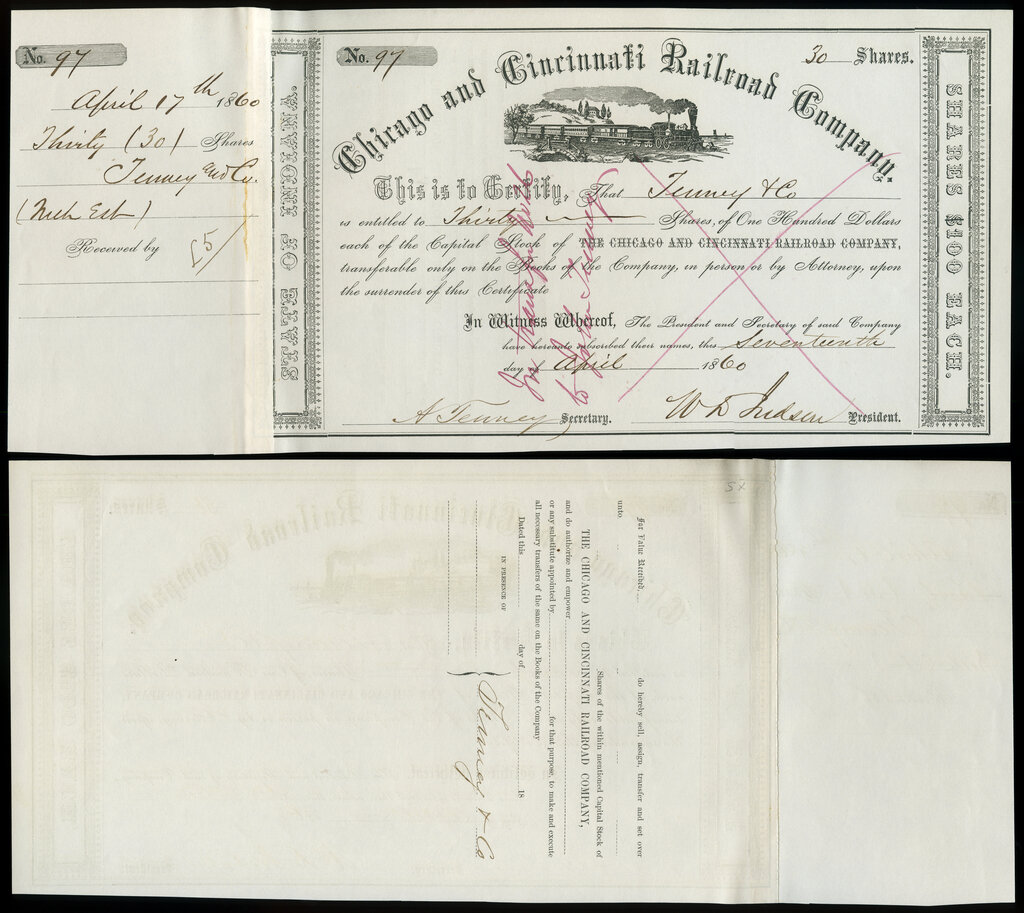
Being a part owner comes with certain privileges, known as shareholder rights. The most common right is the ability to vote on important company matters, such as electing the board of directors. The more shares you own, the more voting power you have. It’s like having a say in how the pizza is made.
Where Stocks Are Traded
You can't just call up a company and ask to buy a share. Instead, stocks are bought and sold in a special marketplace called a stock exchange. These exchanges are organized markets where buyers and sellers come together to trade stocks in a transparent and regulated environment.
The most famous examples are the New York Stock Exchange (NYSE) and the Nasdaq. Think of them as giant, organized auction houses for company shares. They provide the infrastructure that allows for millions of transactions to happen quickly and fairly every day.

The exchange doesn't own the stocks, nor does it set the prices. Its primary role is to act as a facilitator. It ensures that every trade follows a set of rules, making the market reliable for everyone involved.
Why Stock Prices Change
The price of a stock isn't fixed. It can change every second of the trading day. What causes these shifts? The simple answer is supply and demand.
- Demand is the number of people who want to buy the stock.
- Supply is the number of people who want to sell the stock.
When more people want to buy a stock than sell it, the price goes up. There's more demand than supply. Conversely, when more people want to sell a stock than buy it, the price goes down. There's more supply than demand.
High demand and low supply drive prices up. Low demand and high supply drive prices down.
So, what influences this balance? Many factors. If a company reports fantastic profits, more people will want to buy its stock, increasing demand. If a new technology threatens a company's business, shareholders might rush to sell, increasing supply.
Broader news also plays a big role. Economic reports, interest rate changes, and even global events can affect investor confidence and shift the supply and demand for the market as a whole.
Now that you understand the basics of what a stock is, let's test your knowledge.
What does owning a stock directly represent?
If a company has 2,000,000 shares outstanding and you own 10,000 of them, what percentage of the company do you own?
Understanding these core concepts is the first step in learning about the stock market.