Stock Market Investing Essentials
Introduction to Stock Market
What Is a Stock Market?
Think of the stock market as a giant, organized marketplace. But instead of buying apples or antiques, people buy and sell tiny pieces of ownership in companies. These pieces are called stocks or shares.
Companies sell stocks to raise money for growth, like building new factories or hiring more employees. Investors buy stocks hoping the company does well, which would make their shares more valuable.
This process connects companies that need capital with people who have capital to invest. It's a fundamental engine of the economy, helping successful businesses expand and creating potential for wealth generation.
Where Does Trading Happen?
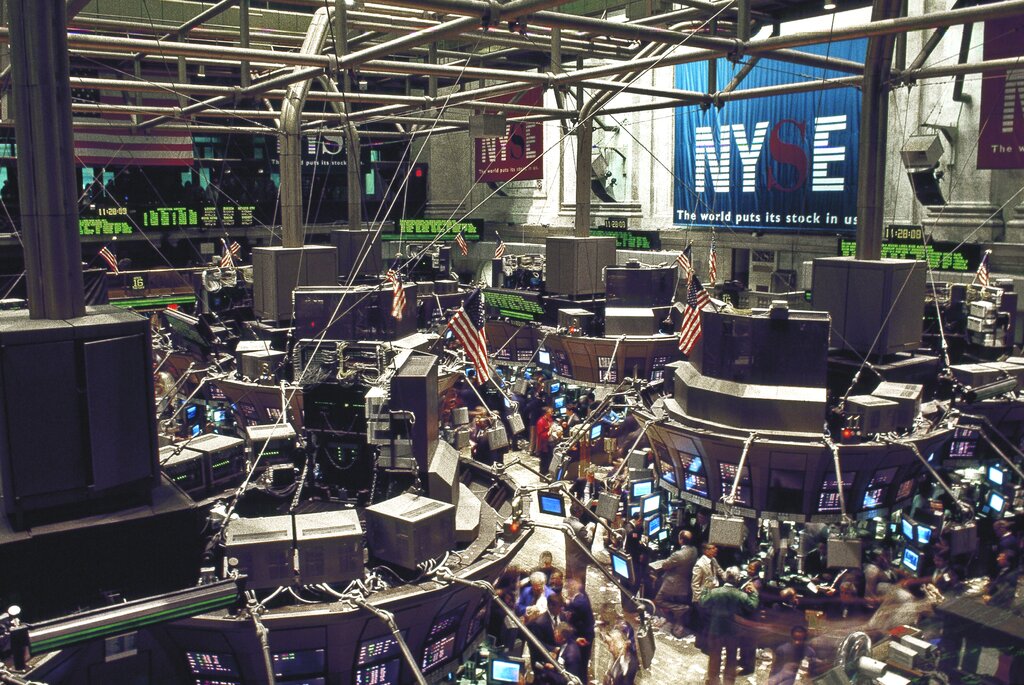
This buying and selling doesn't happen on a street corner. It takes place on highly organized platforms called stock exchanges. An exchange is a centralized location where buyers and sellers come together to trade stocks under a set of established rules.
You've likely heard of the big ones in the United States:
- New York Stock Exchange (NYSE): One of the oldest and most famous, known for its physical trading floor where brokers used to shout orders. While much is electronic now, that human element still exists.
- NASDAQ: This is a fully electronic exchange. It started as a computer network with no physical trading floor and is famous for being the home of many of the world's largest technology companies.
Every major country has its own stock exchange, like the London Stock Exchange or the Tokyo Stock Exchange, creating a global network for investing.
The Key Participants
Several key players keep the market moving. Understanding their roles helps clarify how a simple trade actually works.
| Participant | Role |
|---|---|
| Investors | The individuals and institutions buying and selling stocks. This could be you, or a large pension fund managing retirement money for thousands of people. |
| Brokers | The intermediaries who execute trades for investors. You place an order through a brokerage firm, and they make the trade happen on the exchange. |
| Market Makers | Firms that stand ready to buy or sell a particular stock at any time. They provide liquidity, ensuring you can always find a buyer for your shares or a seller to buy from. |
When you decide to buy a stock using a trading app, you're acting as an investor. Your order goes to your broker, who then interacts with the exchange and market makers to complete the purchase instantly.
Measuring the Market
With thousands of companies to follow, how can you tell how the stock market is doing overall? That's where stock market indices come in. An index is a curated list of stocks that represents a portion of the market.
Index
noun
A statistical measure of change in a portfolio of stocks representing a portion of the overall market.
Watching an index is like checking the temperature to know if it's hot or cold outside, but for the stock market. Two of the most-watched indices in the U.S. are:
-
The Dow Jones Industrial Average (DJIA): Often just called "the Dow," this index tracks 30 large, publicly-owned companies. It's one of the oldest and most quoted market indicators.
-
The S&P 500: This index is much broader, tracking 500 of the largest U.S. companies. Because it includes so many companies from different industries, many consider it to be the best representation of the overall U.S. stock market.
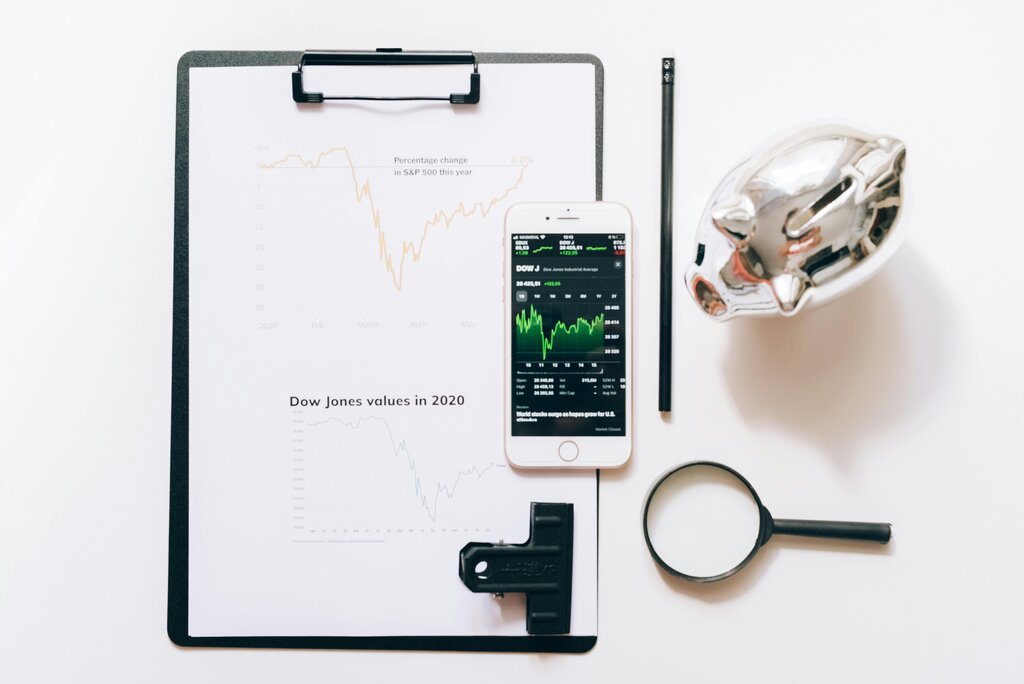
When you hear on the news that "the market is up today," they're usually referring to the performance of one of these major indices.
Now that you understand the basic structure and players, let's test your knowledge.
What is the primary function of the stock market?
A "stock" or "share" represents a tiny piece of ________ in a company.
Understanding these core concepts is the first step. The stock market is a complex system, but its fundamental purpose is simple: to efficiently allocate capital and allow for public participation in the growth of businesses.