Stock Market Fundamentals
Introduction to Stocks
What Is a Stock?
Think of a company as a big pizza. If you buy a stock, you're buying a single slice of that pizza. It means you own a small piece of the company itself. This piece is called a share. When you own shares, you're a shareholder, or a stockholder.
Stocks represent ownership in a company.
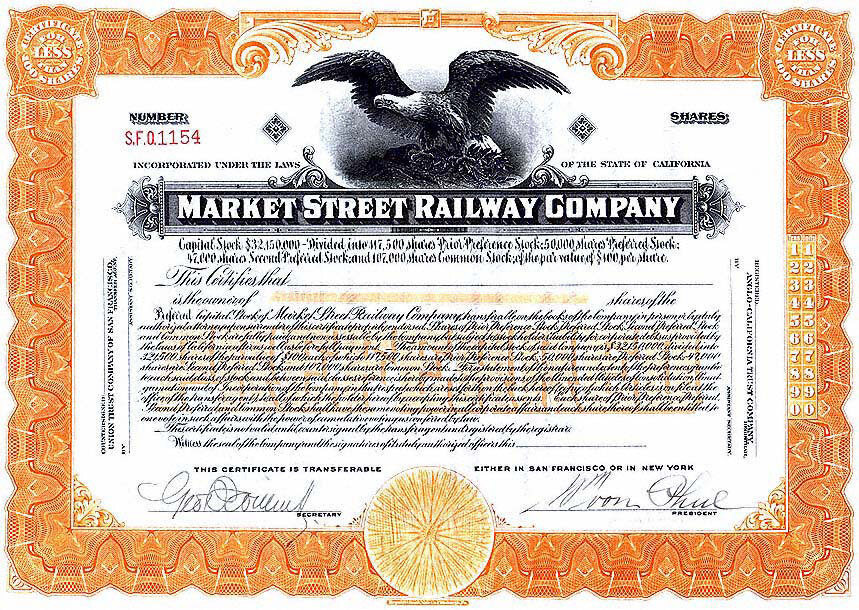
Historically, this ownership was represented by a physical paper document called a stock certificate. While most stock ownership is tracked electronically today, these certificates are a great reminder of what a stock actually is: a formal claim on a piece of a business.
What Do You Get with Ownership?
Owning a stock gives you more than just bragging rights. It typically comes with two key privileges: a share in the profits and a say in company decisions.
When a company makes a profit, it can choose to share a portion of it with its stockholders. This payment is called a dividend. It's a way for the company to reward its owners for their investment.
Additionally, many stockholders have voting rights. This means they can vote on important company matters, like who sits on the board of directors. The board's job is to oversee the company and make major decisions, so this vote is a way for shareholders to have a voice in the company's direction. Generally, one share equals one vote.
In short, owning stock can give you a piece of the profits (dividends) and a say in how the company is run (voting rights).
Common vs. Preferred Stock
Just like there are different types of pizza toppings, there are different types of stock. The two main categories are common and preferred.
Common stock is what most people think of when they hear the word "stock." It's the most, well, common type. It gives the owner voting rights and the potential to receive dividends. However, these dividends aren't guaranteed. The company decides whether to pay them and how much.
Preferred stock is a bit different. Owners of preferred stock usually don't have voting rights. In exchange, they typically receive a fixed dividend that must be paid out before any dividends are paid to common stockholders. If the company ever goes out of business and sells all its assets, preferred stockholders also have a higher claim on the remaining money than common stockholders.
| Feature | Common Stock | Preferred Stock |
|---|---|---|
| Voting Rights | Yes | Usually No |
| Dividends | Variable; not guaranteed | Fixed; paid before common |
| Claim on Assets | After preferred stockholders | Before common stockholders |
The Role of Stocks in the Market
So why do companies sell off pieces of themselves in the first place? The primary reason is to raise money, also known as capital. Selling stock allows a company to fund new projects, expand its operations, hire more employees, or develop new products without going into debt.
For investors, buying stocks offers a way to potentially grow their money. By owning a piece of a successful company, an investor's shares can become more valuable over time. This dynamic between companies needing capital and individuals looking for investment opportunities is what makes the stock market a central pillar of the financial world.
What does buying a stock in a company fundamentally represent?
A company's payment of a portion of its profits to its stockholders is called a __________.